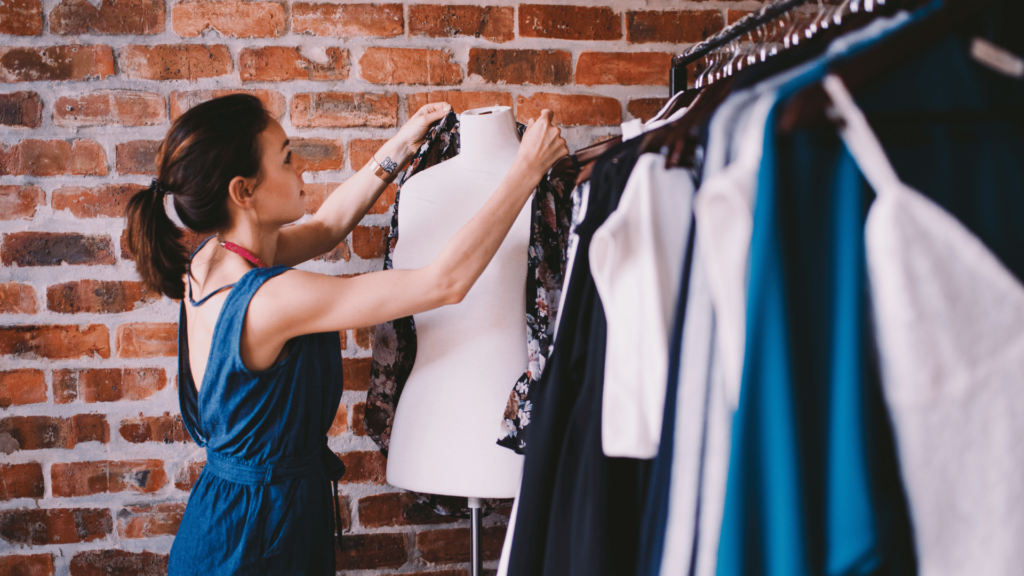
The fashion industry is a complex network of interconnected processes that bring clothing and accessories from design concept to consumer hands. At the heart of this industry lies the fashion supply chain, a critical component that encompasses the sourcing of raw materials, manufacturing, distribution, and retailing. Understanding the intricacies of the fashion supply chain is essential for industry professionals looking to streamline operations, reduce costs, and meet the ever-changing demands of consumers.
Sourcing of Raw Materials
The fashion supply chain begins with the sourcing of raw materials, such as fabrics, trims, and embellishments. Fashion brands work closely with suppliers to procure quality materials that align with their design vision and sustainability goals. Ethical sourcing practices, transparency, and traceability are becoming increasingly important in the fashion industry as consumers demand more information about the origins of their clothing.
Design and Development
Once raw materials are sourced, the design and development phase kicks off, where designers create sketches and prototypes that will later be translated into actual garments. Collaboration between designers, pattern makers, and sample makers is crucial to ensure that the design vision is accurately brought to life. Iterative processes, feedback loops, and quality control measures are integral to refining designs before moving into production.
Manufacturing and Production
Manufacturing is a pivotal stage in the fashion supply chain, where garments are produced on a large scale. Factories and production facilities play a key role in turning design concepts into tangible products through cutting, sewing, and finishing processes. Efficient production planning, inventory management, and quality assurance are essential to meet production deadlines, maintain product quality, and minimize waste.
Logistics and Distribution
Once garments are manufactured, they need to be transported from factories to distribution centers and ultimately to retail stores or directly to consumers. Logistics management involves coordinating transportation, warehousing, and inventory tracking to ensure timely delivery and optimal stock levels. With the rise of e-commerce, efficient logistics and fulfillment strategies have become paramount in meeting customer expectations for fast and reliable shipping.
Retail and Consumer Engagement
The final stage of the fashion supply chain involves retailing and engaging with consumers. Retailers curate collections, set prices, and create engaging shopping experiences both in-store and online. Understanding consumer preferences, market trends, and demand forecasting is crucial for retailers to make informed merchandising decisions and drive sales. Building brand loyalty, offering personalized experiences, and leveraging digital platforms are key strategies for engaging with today’s tech-savvy consumers.
Supply Chain Sustainability
Sustainability has become a central focus in the fashion industry, prompting brands to reevaluate their supply chain practices and adopt more environmentally friendly and ethical approaches. From reducing carbon emissions and water usage in production to ensuring fair labor practices and promoting circularity through recycling and upcycling initiatives, sustainable supply chain management is imperative for the long-term viability of the fashion industry.
Technology and Innovation
Technology plays a transformative role in optimizing the fashion supply chain, with innovations such as data analytics, artificial intelligence, and blockchain revolutionizing processes from sourcing to retail. Supply chain visibility, real-time data tracking, predictive analytics, and virtual sampling are just a few examples of how technology is enhancing efficiency, transparency, and agility in the fashion industry.
Collaboration and Partnerships
Collaboration between stakeholders across the fashion supply chain, including designers, manufacturers, suppliers, retailers, and consumers, is essential for driving innovation, sustainability, and competitiveness. Strategic partnerships, open communication channels, and a shared commitment to industry best practices foster a collaborative ecosystem that benefits all players involved.
Supply Chain Resilience
The COVID-19 pandemic highlighted the importance of supply chain resilience in the fashion industry, with disruptions in production, distribution, and retail causing significant challenges for brands worldwide. Building agile supply chains, diversifying sourcing locations, implementing risk management strategies, and investing in digital tools for remote collaboration are key considerations for enhancing supply chain resilience in an increasingly volatile global landscape.
Career Opportunities in Fashion Supply Chain
The fashion supply chain offers a wide range of career opportunities for professionals interested in the intersection of fashion, business, and logistics. Roles such as supply chain manager, production planner, logistics coordinator, sourcing specialist, and sustainability analyst are just a few examples of positions available in this dynamic and evolving field. Pursuing education and training in supply chain management, sustainability practices, and industry-specific tools can help individuals build a successful career in the fashion supply chain.
Conclusion
The fashion supply chain is a vital framework that connects creativity with production, distribution, and consumer engagement. From sourcing raw materials to delivering finished garments to customers, each stage plays an important role in ensuring efficiency, quality, and responsiveness to market demands.
As sustainability, technology, and global challenges continue to reshape the industry, companies that prioritize innovation, collaboration, and resilience will be better positioned to build more efficient and responsible fashion supply chains for the future.
Key Takeaways:
- Understanding the fashion supply chain is crucial for streamlining operations and meeting consumer demands.
- Sourcing raw materials ethically and transparently is essential for sustainable fashion practices.
- Collaboration between designers, manufacturers, and retailers ensures the accurate translation of design concepts into tangible products.
- Efficient production planning and quality assurance are vital for maintaining product quality and minimizing waste.
- Logistics management plays a key role in ensuring timely delivery and optimal stock levels.
- Embracing sustainability practices is imperative for the long-term viability of the fashion industry.
- Technology and innovation are transforming the fashion supply chain with data analytics, AI, and blockchain.
- Collaboration and partnerships drive innovation, sustainability, and competitiveness in the industry.
- Building agile and resilient supply chains is essential to navigate disruptions and challenges.
- Career opportunities in the fashion supply chain offer a diverse range of roles for professionals seeking to make an impact in the industry.
For those looking to deepen their knowledge and skills in the fashion industry, consider exploring the Parsons Fashion Industry Essentials online course and certificate program by Yellowbrick. This program provides valuable insights and practical knowledge to excel in the dynamic world of the fashion supply chain.