Fashion subcultures are a fascinating aspect of the fashion industry, showcasing unique styles and identities that deviate from mainstream trends. These subcultures, characterized by distinct aesthetics, attitudes, and values, play a significant role in shaping fashion narratives and challenging conventional norms. From punk and goth to streetwear and cosplay, fashion subcultures provide a platform for self-expression, creativity, and community building.
Punk
One of the most iconic and enduring fashion subcultures, punk emerged in the 1970s as a rebellious and anti-establishment movement. Defined by its DIY ethos, edgy aesthetics, and anti-authoritarian attitude, punk fashion features elements such as leather jackets, ripped clothing, safety pins, and band patches. The punk subculture continues to influence mainstream fashion with its emphasis on individuality, nonconformity, and subversive style.
Goth
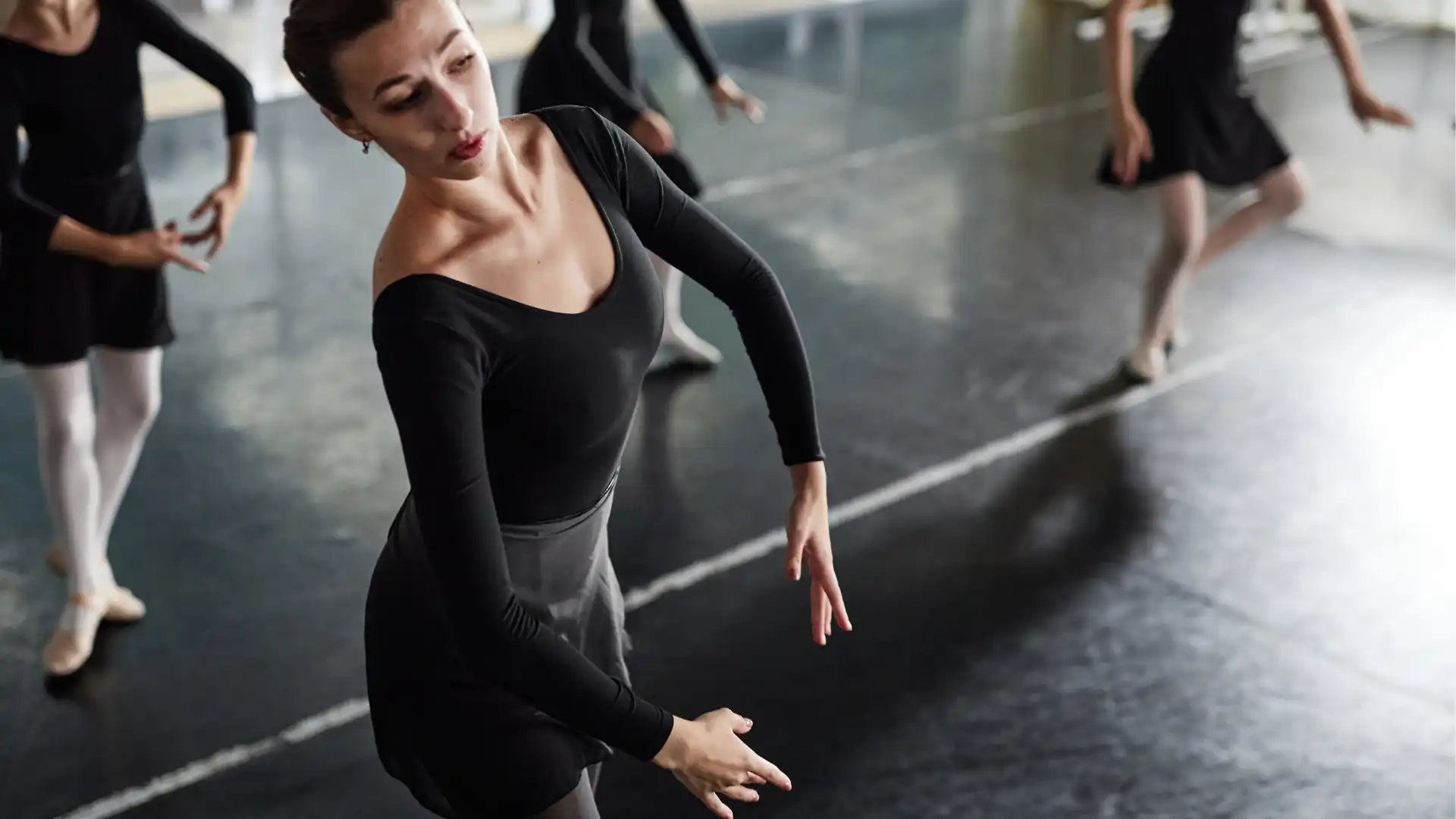
With roots in the post-punk music scene of the 1980s, goth fashion embodies dark, romantic, and macabre aesthetics. Characterized by black clothing, lace, velvet, and dramatic makeup, goth subculture celebrates themes of mortality, mysticism, and melancholy. Goths embrace a sense of otherness and a fascination with the morbid, creating a visually striking and introspective style that challenges societal norms.
Streetwear
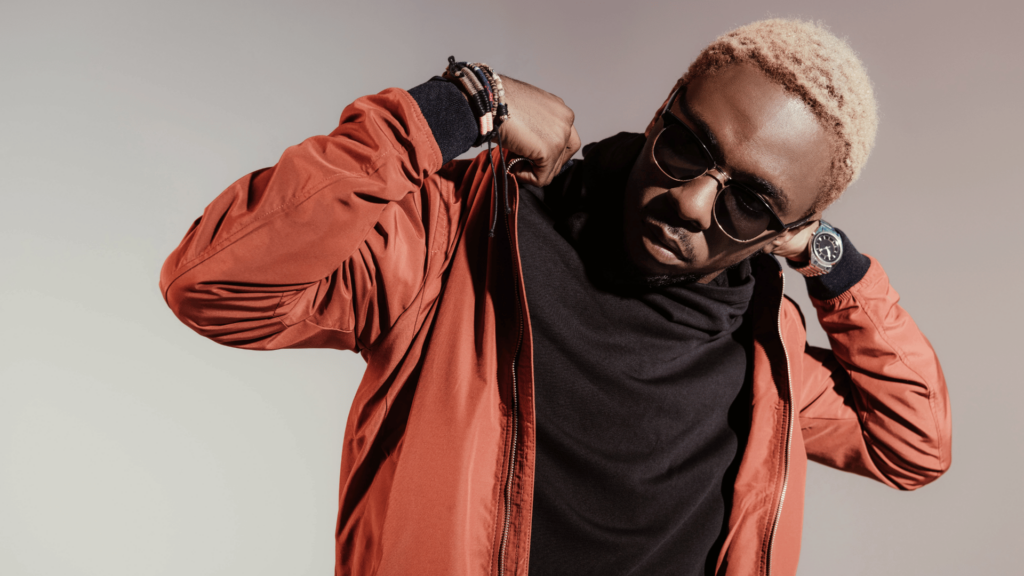
Originating from urban youth culture and hip-hop influences, streetwear has evolved into a global fashion phenomenon characterized by casual, comfortable, and sporty apparel. Brands like Supreme, Off-White, and Yeezy have propelled streetwear into the mainstream, blurring the lines between high fashion and street style. Streetwear subculture celebrates authenticity, collaboration, and self-expression through graphic tees, hoodies, sneakers, and statement accessories.
Cosplay
A fusion of costume and play, cosplay subculture revolves around dressing up as fictional characters from anime, manga, video games, movies, and TV shows. Cosplayers meticulously craft elaborate costumes, props, and makeup to embody their favorite characters with precision and dedication. Cosplay events, conventions, and online communities provide a platform for fans to showcase their creativity, passion, and fandom through immersive and interactive storytelling.
Vintage
Embracing nostalgia, sustainability, and individuality, vintage fashion subculture celebrates timeless styles from past decades. Thrifting, upcycling, and reimagining vintage pieces have gained popularity as a way to reduce waste, embrace unique aesthetics, and rediscover fashion history. Vintage enthusiasts appreciate the craftsmanship, quality, and storytelling embedded in vintage garments, creating a sense of connection to bygone eras and personal narratives.
Kawaii
Originating from Japanese pop culture, kawaii fashion subculture embodies cuteness, innocence, and playfulness through pastel colors, whimsical prints, and exaggerated silhouettes. Kawaii enthusiasts embrace a childlike aesthetic that transcends age and gender, expressing joy, positivity, and creativity through fashion and lifestyle choices. The kawaii subculture promotes self-care, self-expression, and emotional well-being through its emphasis on all things cute and charming.
Cyberpunk
Drawing inspiration from science fiction, technology, and dystopian futures, cyberpunk fashion subculture merges high-tech and low-life aesthetics in a futuristic and edgy style. Cyberpunk enthusiasts embrace neon colors, metallic fabrics, futuristic accessories, and avant-garde silhouettes to create a visual narrative of a tech-driven society. Cyberpunk subculture explores themes of rebellion, surveillance, and transhumanism, reflecting on the intersection of technology and humanity.
Steampunk
Rooted in Victorian-era aesthetics, industrial revolution motifs, and speculative fiction, steampunk fashion subculture combines retro-futuristic elements with a sense of adventure and innovation. Steampunk enthusiasts repurpose vintage and mechanical components to create elaborate costumes, accessories, and gadgets that evoke a fantastical alternate history. Steampunk subculture celebrates craftsmanship, imagination, and storytelling through its intricate and detailed designs.
Health Goth
A modern fusion of fitness culture, minimalism, and gothic aesthetics, health goth fashion subculture emphasizes functional activewear, monochromatic palettes, and sleek silhouettes. Health goths embrace a holistic approach to health and wellness, combining physical fitness, mental well-being, and style in a minimalist and futuristic aesthetic. Health goth subculture challenges stereotypes of gothic fashion by promoting a lifestyle that prioritizes self-care, strength, and empowerment.
Genderless Fashion
Breaking away from traditional gender norms and binaries, genderless fashion subculture advocates for fluidity, inclusivity, and self-expression through clothing. Genderless fashion challenges the notion of gender-specific garments and styles, encouraging individuals to embrace their unique identities and preferences without conforming to societal expectations. Genderless fashion subculture celebrates diversity, individuality, and freedom of expression in a fashion landscape that transcends labels and boundaries.
Conclusion
Fashion subcultures play a powerful role in shaping the diversity and creativity of the fashion world. Each subculture reflects unique values, identities, and cultural influences, offering individuals a way to express themselves beyond mainstream trends.
From rebellious movements to playful aesthetics and futuristic visions, these styles continue to inspire designers and challenge traditional fashion norms. As fashion evolves, subcultures will remain an important source of innovation, individuality, and cultural expression within the industry.
Key Takeaways:
- Fashion subcultures offer a myriad of styles, identities, and narratives.
- Subcultures provide a platform for creativity and personal expression.
- Joining a fashion subculture can lead to a sense of belonging and community.
- By embracing fashion subcultures, individuals can explore new facets of their identities and challenge societal norms.
Consider delving deeper into the world of fashion and design by exploring the Parsons Fashion Industry Essentials online course and certificate program by Yellowbrick. This program can provide you with valuable insights and skills to thrive in the ever-evolving fashion industry.