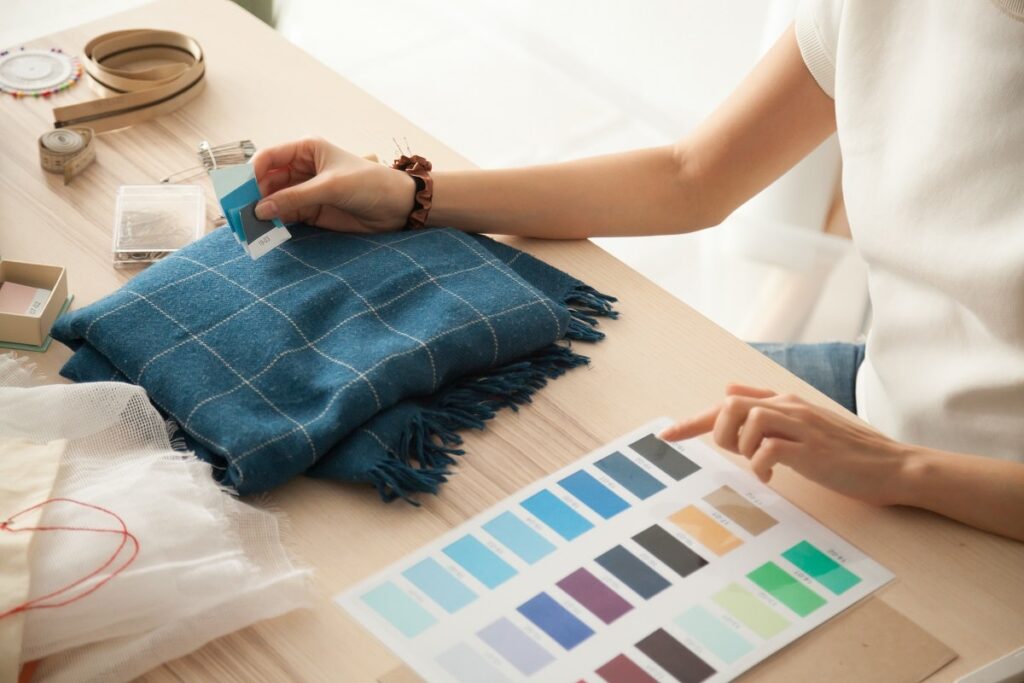
Are you passionate about textiles and design, looking to enhance your skills and knowledge in the field of textile design? Pursuing a textile design course online can open up a world of opportunities for you to explore various roles and industries within the realm of textile design. Whether you are a budding designer, a creative enthusiast, or someone with a keen eye for patterns and colors, enrolling in an online textile design course can provide you with the necessary tools and expertise to thrive in this dynamic field.
1. Textile Designer
As a textile designer, your primary role involves creating designs for woven, knitted, printed, or embroidered fabrics. You will be responsible for developing patterns, motifs, and colorways that align with current fashion trends and market demands. With a keen understanding of different textiles and production techniques, textile designers play a crucial role in bringing fabric designs to life.
2. Print Designer
Print designers specialize in creating patterns and prints for fabrics, garments, and home textiles. They work closely with textile designers to develop unique and eye-catching prints that appeal to target audiences. Print designers need to have a strong sense of color, composition, and design aesthetics to create visually appealing patterns that can be applied to various textile surfaces.
3. Colorist
Colorists play a vital role in the textile design process by selecting and creating color palettes for fabrics and prints. They have a keen eye for color trends and understand how different hues can evoke emotions and influence consumer preferences. Colorists work closely with designers to ensure that the color choices align with the overall design vision and brand identity.
4. Textile Product Developer
Textile product developers oversee the entire product development process, from concept ideation to final production. They collaborate with designers, manufacturers, and suppliers to ensure that textile products meet quality standards, cost requirements, and delivery timelines. Textile product developers need to have a strong understanding of textiles, manufacturing processes, and market trends to bring innovative products to market.
5. Textile Production Manager
Textile production managers are responsible for overseeing the manufacturing and production processes of textile goods. They manage production schedules, quality control measures, and cost efficiency to ensure that textile products are produced efficiently and meet industry standards. Textile production managers play a critical role in coordinating production teams and ensuring smooth operations in textile manufacturing facilities.
6. Textile Merchandiser
Textile merchandisers focus on the commercial aspects of textile design, including market research, trend analysis, and product positioning. They work closely with designers and buyers to develop product assortments that cater to target markets and consumer preferences. Textile merchandisers need to have a strong understanding of consumer behavior, market dynamics, and retail trends to drive sales and profitability.
7. Textile Quality Control Specialist
Quality control specialists in the textile industry are responsible for ensuring that textile products meet quality standards and regulatory requirements. They conduct thorough inspections of fabrics, trims, and finished products to identify defects, inconsistencies, and production errors. Textile quality control specialists play a crucial role in upholding product quality and brand reputation in the competitive textile market.
8. Textile Sustainability Manager
As sustainability becomes a growing concern in the textile industry, the role of a textile sustainability manager has gained prominence. These professionals focus on implementing sustainable practices, sourcing eco-friendly materials, and reducing the environmental impact of textile production processes. Textile sustainability managers work towards creating a more sustainable and ethical supply chain within the textile industry.
9. Textile Trend Forecaster
Textile trend forecasters analyze market trends, consumer behavior, and cultural influences to predict upcoming trends in textile design and fashion. They provide valuable insights and recommendations to designers, brands, and retailers on emerging trends, colors, and textures that will resonate with consumers. Textile trend forecasters play a pivotal role in shaping design directions and product development strategies in the textile industry.
10. Textile Marketing Specialist
Textile marketing specialists focus on promoting textile products, brands, and collections to target audiences through strategic marketing campaigns. They develop marketing strategies, create compelling content, and engage with consumers through various channels to drive brand awareness and sales. Textile marketing specialists need to have a solid understanding of digital marketing, branding, and consumer behavior to effectively market textile products in a competitive landscape.
Conclusion
Pursuing an online textile design course can be a transformative step for anyone looking to enter or advance in the textile industry. With a wide range of career paths—from design and product development to sustainability and marketing—these courses equip you with the technical skills, creative insight, and industry knowledge needed to thrive.
Key Takeaways:
- Online textile design courses offer flexible learning suited for beginners and professionals.
- Core skills gained include fabric creation, pattern development, color theory, and digital design.
- These programs prepare learners for diverse careers such as textile designer, print designer, product developer, trend forecaster, and sustainability specialist.
- Strong portfolios and hands-on projects from courses help increase industry employability.
- Understanding sustainability, materials, and modern production techniques is essential for staying competitive in today’s textile industry.
Consider enrolling in the Parsons Fashion Industry Essentials online course and certificate program by Yellowbrick to enhance your skills and stand out in the competitive textile design landscape. The well-rounded program ensures that you unlock your potential and pave the way for success in the dynamic field of textile design.