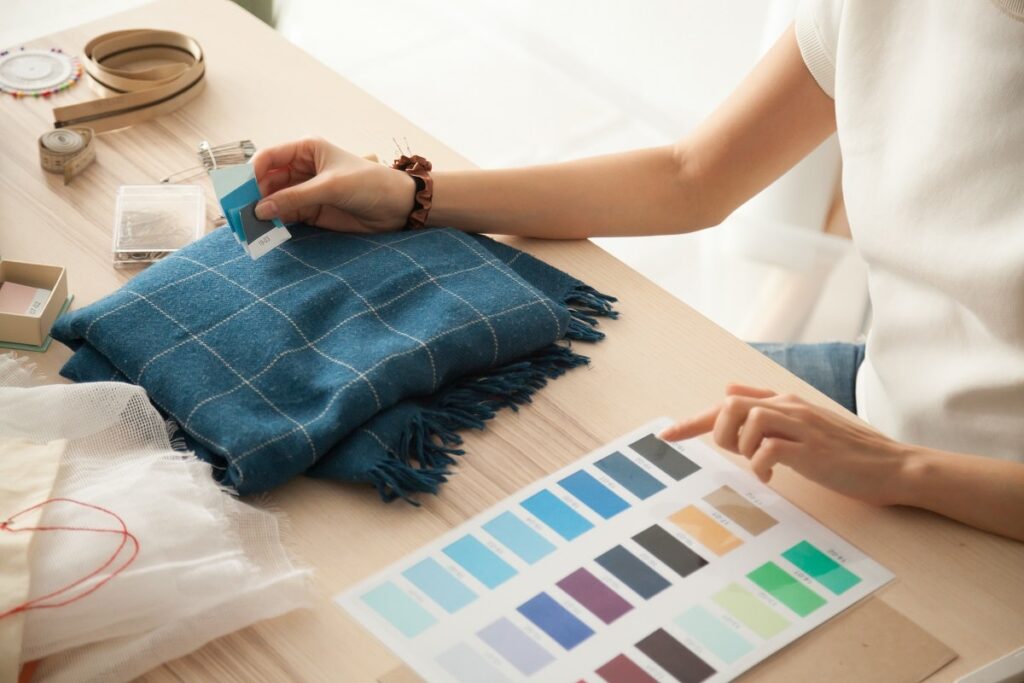
Fashion and textile studies encompass a vast and dynamic field that delves into the creative and business aspects of the fashion industry. From design and production to marketing and merchandising, individuals pursuing a career in fashion and textile studies have a multitude of exciting opportunities awaiting them. Whether you are passionate about fashion design, textile technology, sustainable fashion, or fashion marketing, there are diverse career paths to explore within this industry.
Fashion Designer
Fashion designers are the creative minds behind clothing, accessories, and footwear collections that grace the runways and fill the racks of retail stores worldwide. These visionaries conceptualize designs, create sketches, select fabrics, and oversee the production process to bring their fashion creations to life.
A keen eye for trends, a strong sense of style, and excellent design skills are essential for success in this competitive field. Fashion designers can work for fashion houses, apparel brands, or even start their own fashion labels.
Textile Technologist
Textile technologists play a crucial role in the fashion and textile industry by developing innovative fabrics, materials, and production techniques. These professionals combine their knowledge of textile science, engineering, and design to create textiles that are durable, sustainable, and aesthetically pleasing.
Textile technologists work closely with designers, manufacturers, and suppliers to ensure that the fabrics used in fashion collections meet quality standards and performance requirements. With a focus on sustainability and eco-friendly practices, textile technologists contribute to the growing trend of ethical fashion production.
Fashion Buyer
Fashion buyers are responsible for selecting and purchasing merchandise for retail stores, department stores, online retailers, and fashion boutiques. These professionals analyze market trends, consumer preferences, and sales data to curate a product assortment that resonates with the target audience.
Fashion buyers attend fashion shows, visit showrooms, and negotiate with suppliers to secure the best products at competitive prices. A keen understanding of fashion trends, strong negotiation skills, and a strategic mindset are crucial for success in this role.
Fashion Merchandiser
Fashion merchandisers bridge the gap between design and business, combining their creative flair with analytical skills to drive sales and maximize profitability. These professionals develop merchandising strategies, create product displays, and analyze sales data to optimize product assortment and pricing.
Fashion merchandisers collaborate with designers, marketers, and retail teams to ensure that the right products are available at the right time and place. By understanding consumer behavior and market trends, fashion merchandisers help fashion brands stay competitive in the ever-evolving retail landscape.
Fashion Marketing Specialist
Fashion marketing specialists are responsible for promoting fashion brands, products, and collections to target audiences through various channels, including digital marketing, social media, advertising, and PR campaigns. These professionals develop marketing strategies, create compelling content, and engage with consumers to build brand awareness and drive sales.
Fashion marketing specialists analyze market trends, conduct market research, and track campaign performance to ensure that marketing initiatives align with business goals. With a focus on creativity, storytelling, and digital savvy, fashion marketing specialists play a vital role in shaping the brand image and identity of fashion companies.
Fashion Stylist
Fashion stylists are the creative forces behind the captivating looks seen in fashion editorials, advertising campaigns, celebrity appearances, and runway shows. These trendsetters curate outfits, select accessories, and coordinate looks that reflect the brand’s aesthetic and vision.
Fashion stylists work with photographers, designers, models, and clients to create visually compelling and cohesive fashion ensembles. With a keen eye for detail, a strong sense of style, and excellent communication skills, fashion stylists bring fashion concepts to life through their unique styling expertise.
Fashion Journalist
Fashion journalists play a crucial role in the fashion industry by covering trends, news, and stories related to fashion, textiles, and design. These writers contribute to fashion magazines, websites, blogs, and publications, sharing insights, interviews, and reviews on the latest fashion collections and industry developments.
Fashion journalists attend fashion shows, conduct interviews with designers, and provide commentary on fashion trends and cultural influences. With a passion for storytelling, a deep knowledge of fashion history, and strong writing skills, fashion journalists inform and inspire readers with their engaging fashion narratives.
Fashion Illustrator
Fashion illustrators bring fashion designs to life through their creative and artistic talents, translating ideas into visual representations that capture the essence of a fashion collection. These artists use various techniques, such as hand-drawing, digital illustration, and mixed media, to create fashion sketches, mood boards, and illustrations that communicate design concepts and aesthetics.
Fashion illustrators collaborate with designers, stylists, and brands to visualize fashion ideas, create storyboards, and develop visual concepts for fashion presentations and marketing campaigns. With a keen eye for detail, a strong sense of color and composition, and a passion for fashion, fashion illustrators play a vital role in the creative process of fashion design.
Fashion Photographer
Fashion photographers capture the beauty, creativity, and artistry of fashion through their lens, creating stunning images that showcase fashion collections, models, and brands in a visually compelling way. These visual storytellers work on fashion editorials, advertising campaigns, lookbooks, and runway shows, collaborating with designers, stylists, and models to create captivating fashion imagery.
Fashion photographers use lighting, composition, and styling techniques to convey the mood, aesthetic, and narrative of a fashion story. With a keen eye for detail, a strong sense of visual storytelling, and technical proficiency in photography, fashion photographers bring fashion visions to life through their captivating images.
Fashion Entrepreneur
Fashion entrepreneurs are innovative and visionary individuals who launch and manage fashion startups, fashion brands, fashion tech companies, and fashion-related businesses. These creative minds combine their passion for fashion with business acumen, strategic planning, and entrepreneurial spirit to build successful fashion ventures.
Fashion entrepreneurs identify market opportunities, develop unique products or services, and create compelling brand identities that resonate with consumers. With a focus on innovation, sustainability, and creativity, fashion entrepreneurs drive industry disruption, shape fashion trends, and contribute to the growth and evolution of the fashion and textile industry.
Conclusion
Fashion and textile studies open the door to a wide range of fulfilling career paths that balance creativity, innovation, and business strategy. Whether working behind the scenes or in the public eye, professionals in this field play a vital role in shaping trends, advancing sustainability, and driving the global fashion industry forward. With the right skills, passion, and adaptability, aspiring individuals can build meaningful careers and make a lasting impact in the ever-evolving world of fashion and textiles.
Key Takeaways:
- Fashion and textile studies encompass a diverse and dynamic industry that combines creativity with business acumen.
- Career options include fashion designer, textile technologist, fashion buyer, fashion merchandiser, fashion marketing specialist, fashion stylist, fashion journalist, fashion illustrator, fashion photographer, and fashion entrepreneur.
- Pursuing a career in fashion and textile studies requires a combination of skills, education, and passion for the industry.
To further enhance your knowledge and skills in the field of fashion and textile studies, consider enrolling in the Parsons Fashion Industry Essentials online course and certificate program by Yellowbrick. This comprehensive program is designed to equip you with the essential expertise to thrive in the dynamic world of fashion and textile studies, providing you with the tools to transform your passion into a successful career on a global scale.