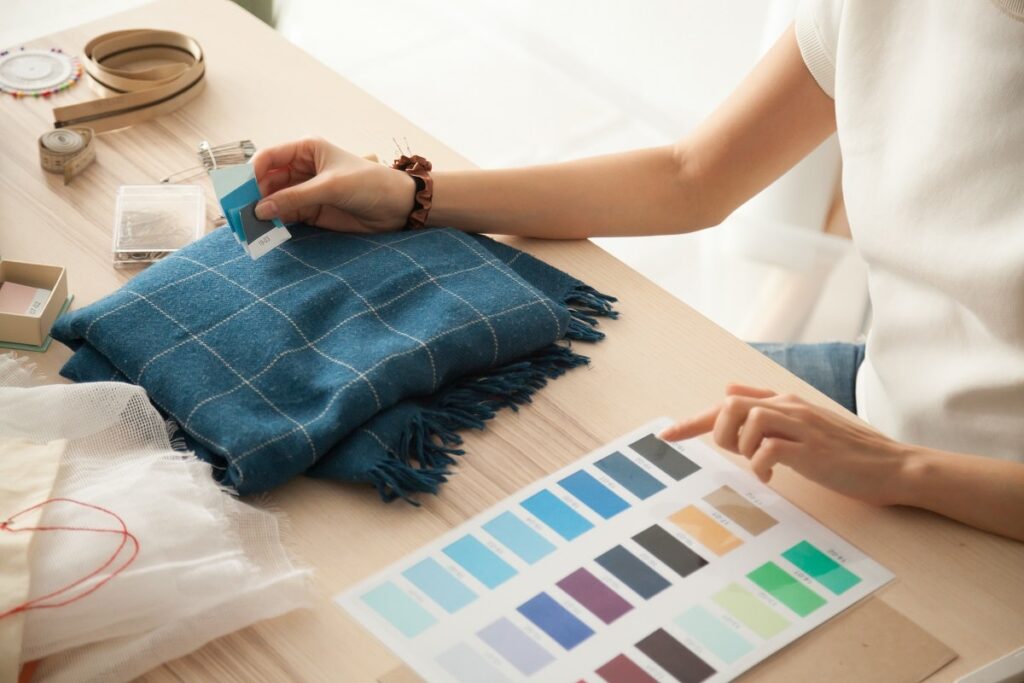
Textile and apparel design is a dynamic and creative field that plays a pivotal role in the fashion industry. From conceptualizing garment designs to selecting fabrics and overseeing production, textile and apparel designers bring ideas to life through their artistic vision and technical skills. If you have a passion for fashion and a flair for creativity, pursuing a textile and apparel design course can be a rewarding and fulfilling career path.
Fundamentals of Design Principles and Textile Science
In a textile and apparel design course, students delve into the fundamentals of design principles, textile science, color theory, garment construction, and fashion illustration. These courses provide a comprehensive understanding of the design process, from initial concept development to the final product. Students learn how to translate their creative ideas into wearable garments that reflect current trends and market demands.
Hands-On Experience
One of the key aspects of a textile and apparel design course is hands-on experience. Students have the opportunity to work with various fabrics, experiment with different techniques, and create their own designs under the guidance of experienced instructors. This practical training helps students hone their skills and develop a unique design aesthetic that sets them apart in the competitive fashion industry.
Industry Trends and Technologies
Moreover, textile and apparel design courses often incorporate industry trends and technologies to prepare students for the ever-evolving landscape of fashion. Students learn about sustainable practices, digital design tools, and innovative manufacturing processes that are reshaping the way garments are created and produced. By staying abreast of industry advancements, aspiring designers can position themselves as forward-thinkers in the field.
Areas of Specialization
As students progress through a textile and apparel design course, they have the opportunity to specialize in various areas of design, such as womenswear, menswear, children’s clothing, activewear, or accessories. Specialization allows students to focus their skills and develop a niche expertise that aligns with their career goals. Whether aspiring to become a fashion designer, textile artist, patternmaker, or product developer, a textile and apparel design course provides a solid foundation for pursuing a range of creative careers in the fashion industry.
Real-World Experience and Industry Knowledge
In addition to honing their design skills, students in a textile and apparel design course also gain valuable industry knowledge and professional insights. Guest lectures, industry partnerships, and internships provide students with real-world exposure to the fashion industry, allowing them to network with industry professionals and gain practical experience in a professional setting. These opportunities help students build a strong portfolio and establish connections that can lead to future job opportunities.
Essential Skills for Success
Furthermore, a textile and apparel design course equips students with essential skills such as trend forecasting, market research, and project management, which are crucial for success in the fast-paced world of fashion. By developing a strong foundation in design theory and practical skills, graduates of textile and apparel design courses are well-prepared to enter the workforce and make their mark in the competitive fashion industry.
Career Paths in the Fashion Industry
As the fashion industry continues to evolve, the demand for skilled textile and apparel designers remains high. Graduates of textile and apparel design courses can pursue a variety of career paths in the fashion industry, including fashion designer, textile designer, apparel merchandiser, fashion illustrator, patternmaker, and product developer. With a strong foundation in design principles and industry knowledge, graduates are well-positioned to succeed in a range of creative roles within the fashion sector.
Key Takeaways:
- Textile and apparel design combines creativity with technical skills to bring fashion concepts to life.
- Courses cover core areas such as design principles, textile science, color theory, and garment construction.
- Hands-on experience helps students develop practical skills and a distinctive design aesthetic.
- Programs integrate current industry trends, technologies, and sustainable practices.
- Specialization options allow students to build expertise in specific fashion segments.
- Real-world exposure through projects, internships, and industry partnerships strengthens career readiness.
- Graduates gain versatile skills and access to diverse career paths within the fashion industry.
Graduates can pursue diverse career paths in fashion, such as fashion designer, textile designer, and product developer. Enhance your fashion industry knowledge with the Parsons Fashion Industry Essentials online course and certificate program, offered by Yellowbrick.