Choreographers are the creative minds behind the captivating dance sequences seen in performances, films, music videos, and more. Their work involves conceptualizing, designing, and coordinating movement to create visually stunning and emotionally engaging dance pieces. In this comprehensive guide, we will delve into the multifaceted role of a choreographer and explore the various responsibilities and skills required to excel in this dynamic profession.
Conceptualizing Dance Sequences
At the core of a choreographer’s role is the ability to conceptualize and design dance sequences that convey a specific artistic vision or narrative. Choreographers work closely with directors, producers, and performers to understand the overall theme and mood of a production and translate it into movement. Whether choreographing a high-energy dance number or a poignant contemporary piece, choreographers use their creativity and expertise to bring stories to life through dance.
Collaborating with Creative Teams
Choreographers collaborate with a diverse range of creative professionals, including dancers, musicians, costume designers, and lighting technicians, to bring their choreographic vision to fruition. Effective communication and teamwork are essential skills for choreographers to ensure that all elements of a performance align seamlessly. By working collaboratively with other artists, choreographers can enhance the overall artistic impact of their dance creations.
Teaching and Rehearsing Dance Routines
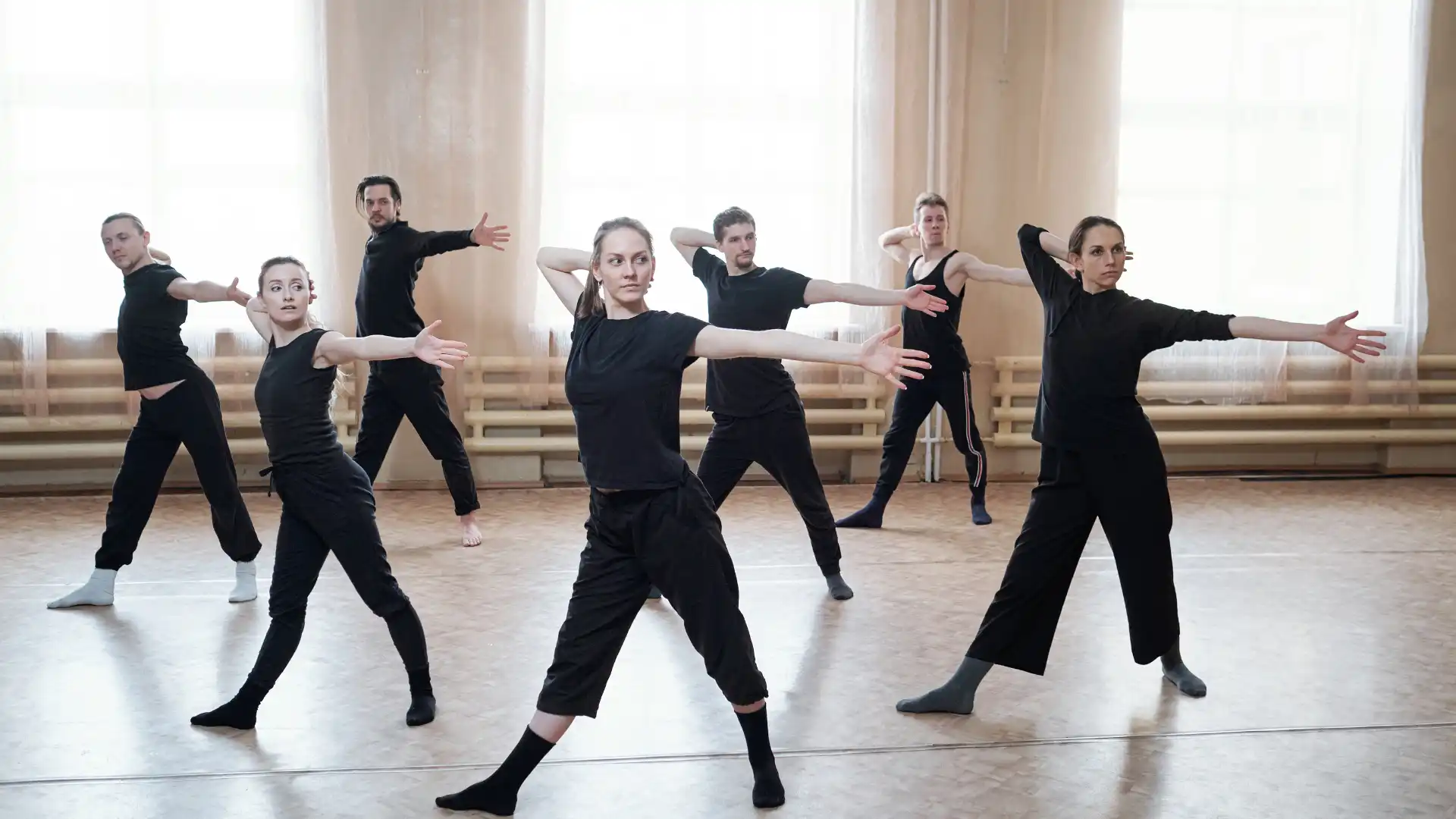
Choreographers are responsible for teaching and rehearsing dance routines with performers to ensure precision, synchronization, and artistic expression. They guide dancers through the choreographic process, providing feedback, corrections, and encouragement to help them embody the intended emotions and movements. Rehearsals are a crucial aspect of a choreographer’s work, where they refine and polish dance sequences until they are performance-ready.
Adapting Choreography to Different Settings
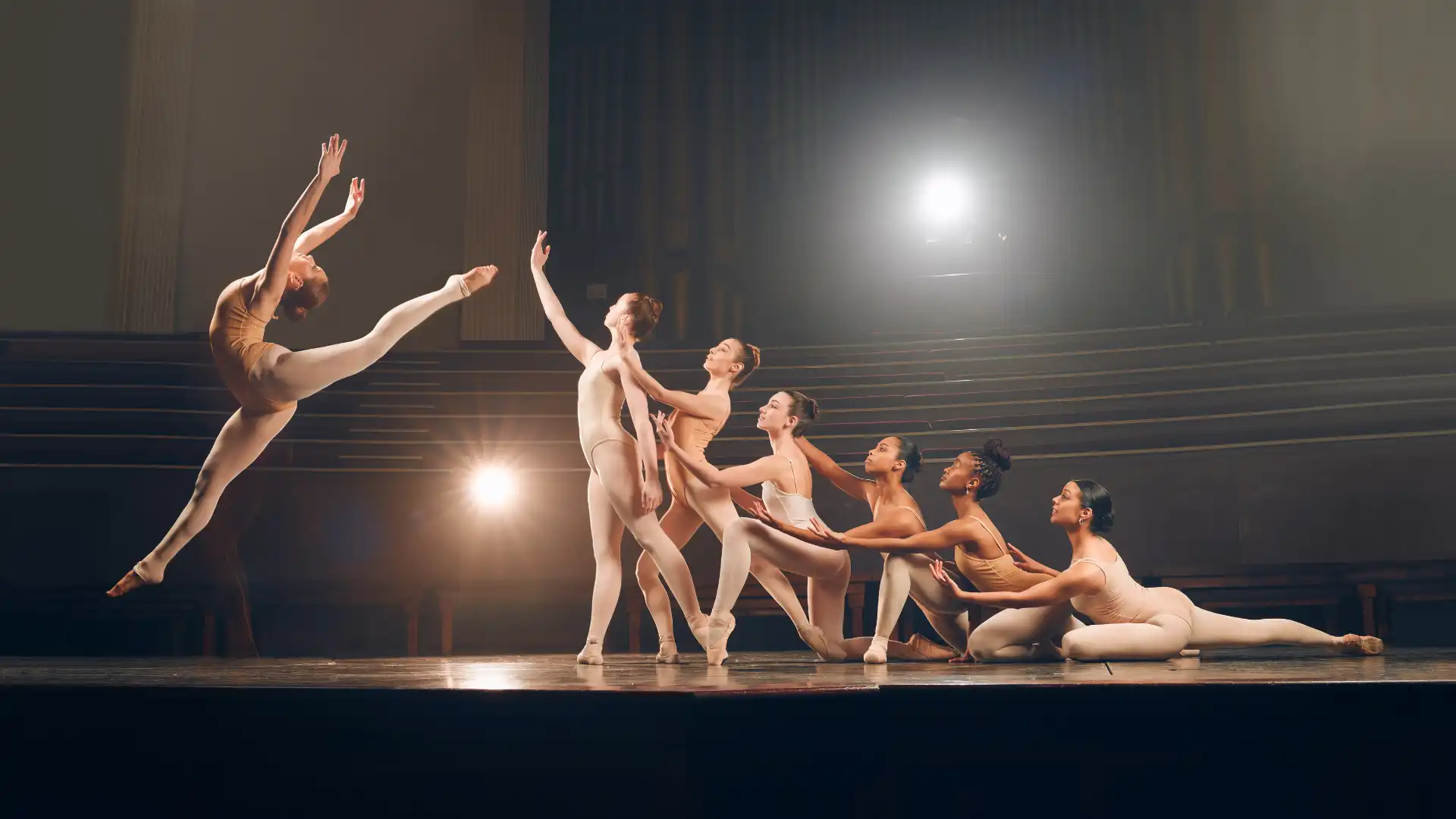
Choreographers must be versatile in adapting their choreography to suit a variety of performance settings and styles. Whether choreographing for a stage production, a music video, a fashion show, or a corporate event, choreographers must tailor their movements to fit the context and tone of the performance. Flexibility and adaptability are key qualities that enable choreographers to thrive in the ever-evolving world of dance.
Staying Current with Dance Trends and Techniques
Successful choreographers stay informed about current dance trends, styles, and techniques to remain relevant and innovative in their work. They attend dance performances, workshops, and classes to expand their knowledge and draw inspiration from a wide range of sources. By continuously honing their skills and staying abreast of industry developments, choreographers can push boundaries and create cutting-edge choreography that resonates with audiences.
Conclusion
Choreographers play a vital role in bringing dance performances to life through creativity, collaboration, teaching, and adaptability. By developing strong artistic and communication skills while staying current with evolving dance trends, choreographers can create memorable performances and build successful careers across the entertainment industry.
Key Takeaways:
- Choreographers design dance sequences to convey artistic visions.
- Working with creative teams enhances the impact of choreographic creations.
- Guiding dancers through rehearsals ensures precise and expressive performances.
- Choreographers tailor choreography to various performance contexts.
- Staying updated on dance trends fosters innovation and relevance.
Take your choreographic skills to new heights by considering the Juilliard Dance Choreography Essentials online course and certificate program offered by Yellowbrick. This program can equip you with the tools and mentorship needed to excel in choreography, refining your skills for a successful career in the dance industry.