Choreographing a group dance is a creative and rewarding process that requires coordination, organization, and artistic vision. Whether you are creating a routine for a dance performance, competition, or special event, mastering the art of group dance choreography involves understanding group dynamics, spatial awareness, and effective communication. Explore the essential steps below to guide you in choreographing a group dance that shines on stage and showcases the collective talent and unity of your dancers.
1. Selecting Music and Theme
Begin by selecting music that suits the theme and mood of your group dance. Choose a song that resonates with the dancers and inspires creativity. The music sets the tone for the choreography and influences the overall feel of the routine.
2. Planning Group Formations
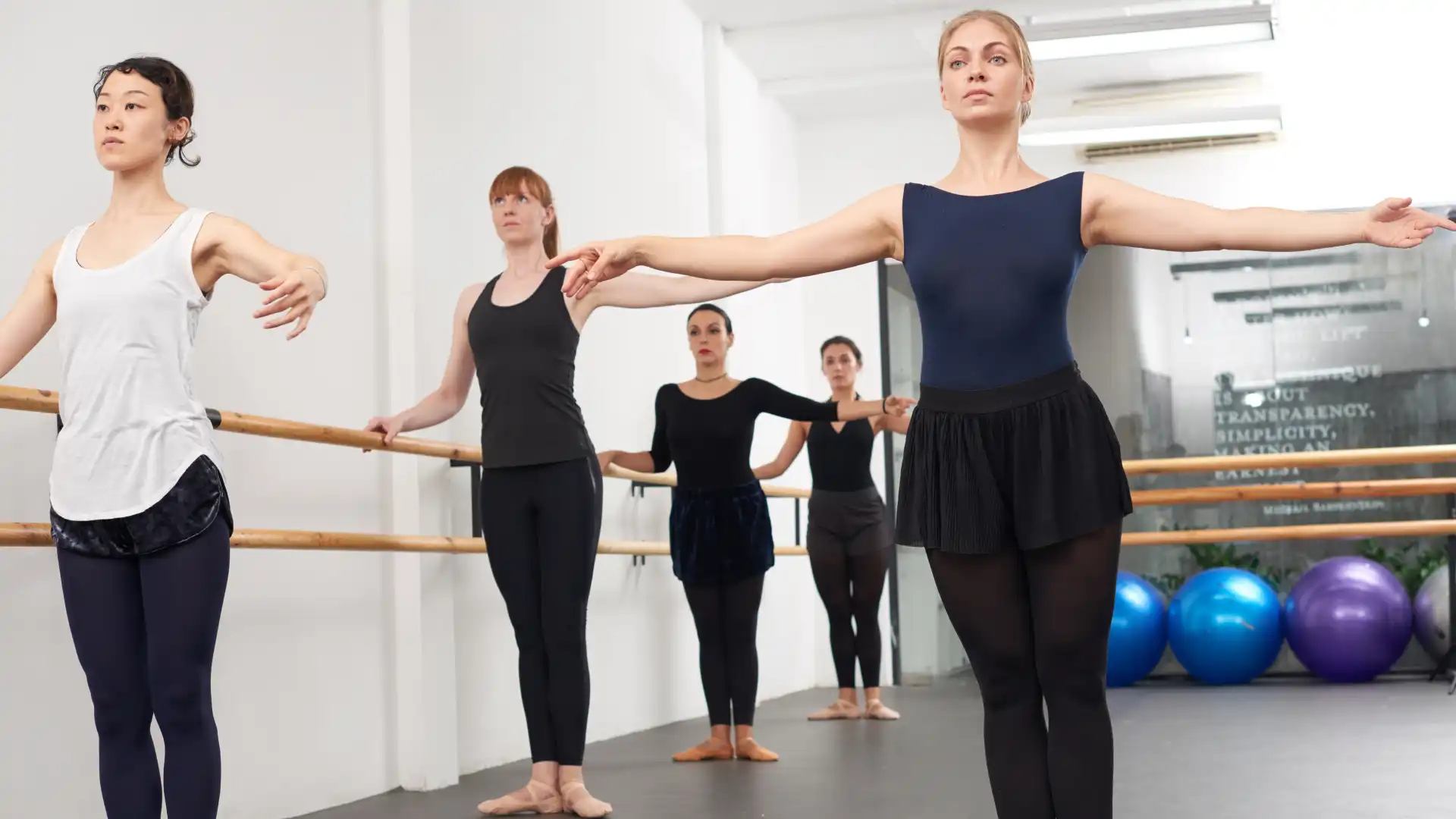
Consider the number of dancers in your group and plan formations that utilize the space effectively. Experiment with different arrangements, levels, and patterns to create visually appealing group formations that enhance the choreography.
3. Establishing Movement Patterns
Create movement patterns that highlight the group’s synchronicity and unity. Incorporate elements of unison, canon, and mirroring to add depth and complexity to the choreography. Ensure that each dancer’s movements complement and enhance the overall group performance.
4. Emphasizing Partner Work and Interactions
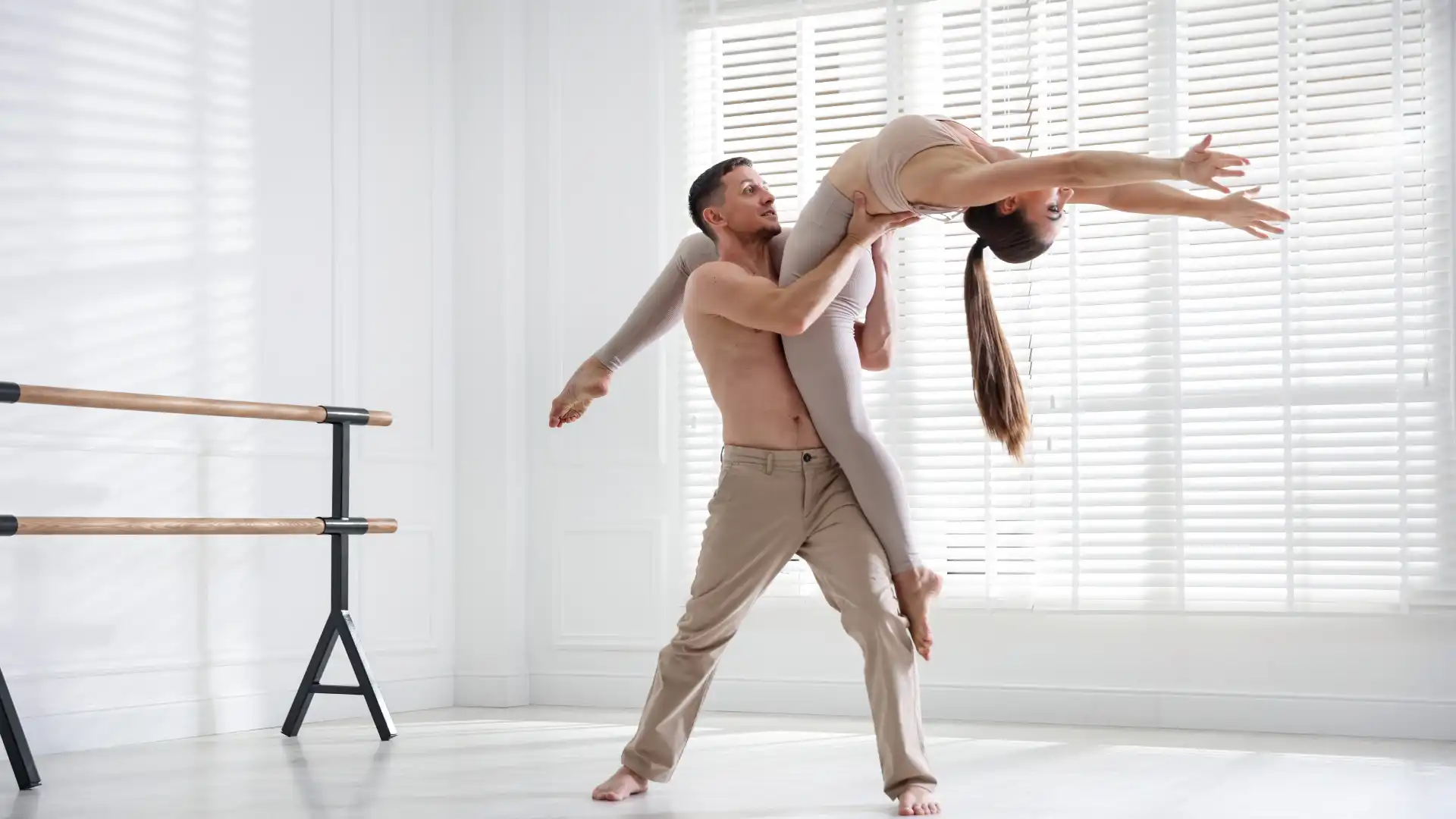
Incorporate partner work and interactions to showcase the connection and camaraderie between dancers. Explore lifts, supports, and group interactions to add dynamic moments to the routine. Partner work adds an additional layer of interest and engagement to the group dance.
5. Utilizing Stage Space Effectively
Take advantage of the stage space to create dynamic and engaging group dance choreography. Consider transitions, pathways, and focal points to guide the audience’s attention and create a visually captivating performance. Utilize the entire stage to showcase the group’s movement and artistry.
6. Incorporating Group Dynamics and Storytelling
Focus on group dynamics and storytelling to convey a cohesive narrative through the choreography. Emphasize the emotional connection between dancers and the overarching theme of the dance. Encourage the group to embody the story and evoke genuine emotions in their performance.
7. Rehearsing and Refining the Routine
Dedicate ample time to rehearse the group dance routine and refine the choreography. Conduct regular rehearsals to ensure that each dancer is proficient in their movements and formations. Provide feedback, make adjustments, and polish the routine to achieve a polished and cohesive group performance.
Conclusion
Choreographing a group dance requires creativity, organization, communication, and teamwork. By choosing suitable music, planning formations, coordinating movement patterns, and making effective use of stage space, choreographers can create a unified and engaging performance. With focused rehearsals and attention to group dynamics, dancers can bring the choreography to life with confidence and expression.
Key Takeaways:
- Choose music and a theme that inspire the group and support the choreography.
- Plan formations and movement patterns that highlight unity and visual variety.
- Incorporate partner work and interactions to add depth to the performance.
- Use stage space, transitions, and focal points effectively.
- Develop group dynamics and storytelling to strengthen the performance.
- Rehearse consistently to improve synchronization, timing, and overall cohesion.
Consider enrolling in the Juilliard Dance Choreography Essentials online course and certificate program by Yellowbrick to deepen your choreographic expertise and unlock new creative possibilities in group dance choreography.