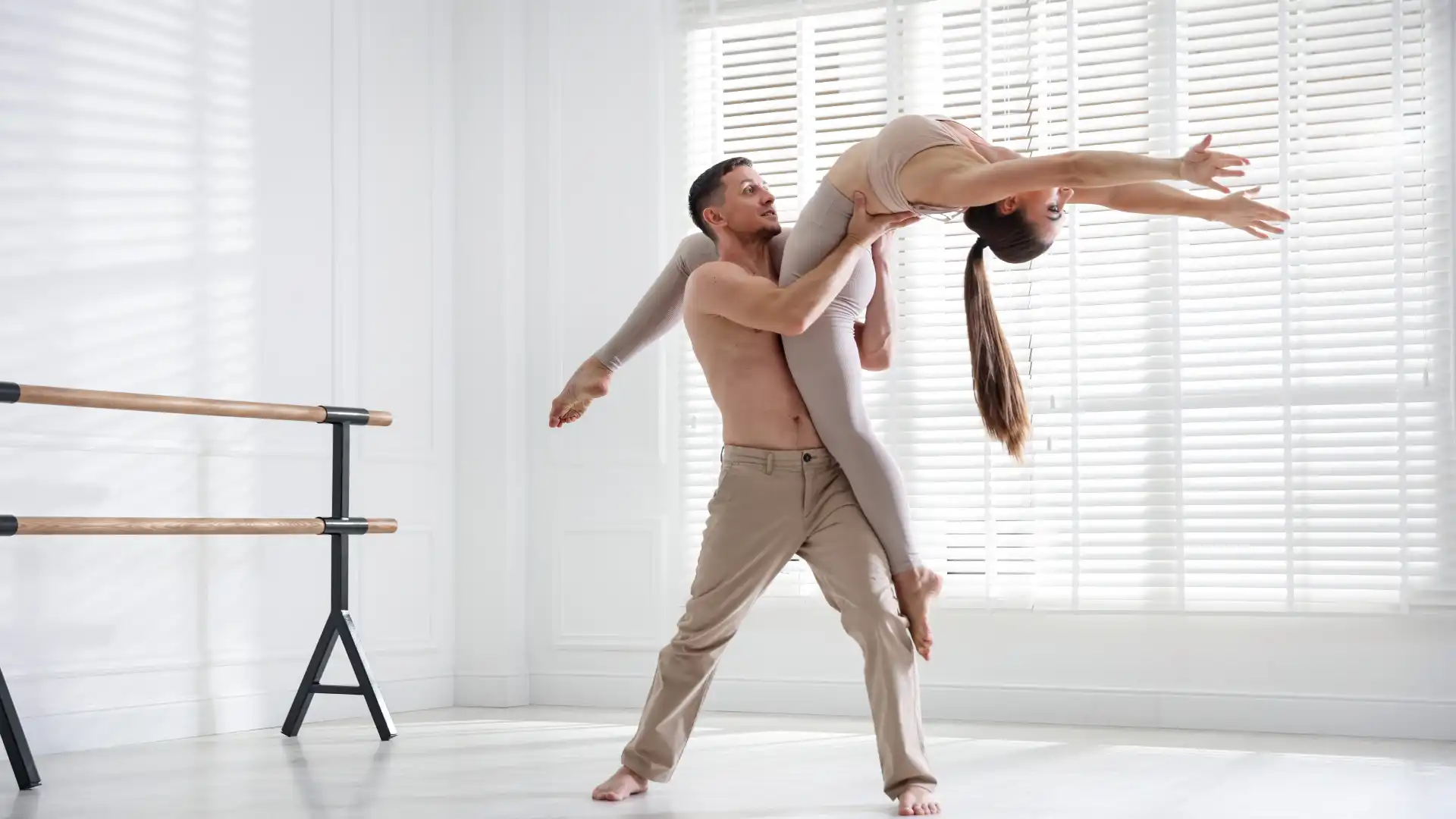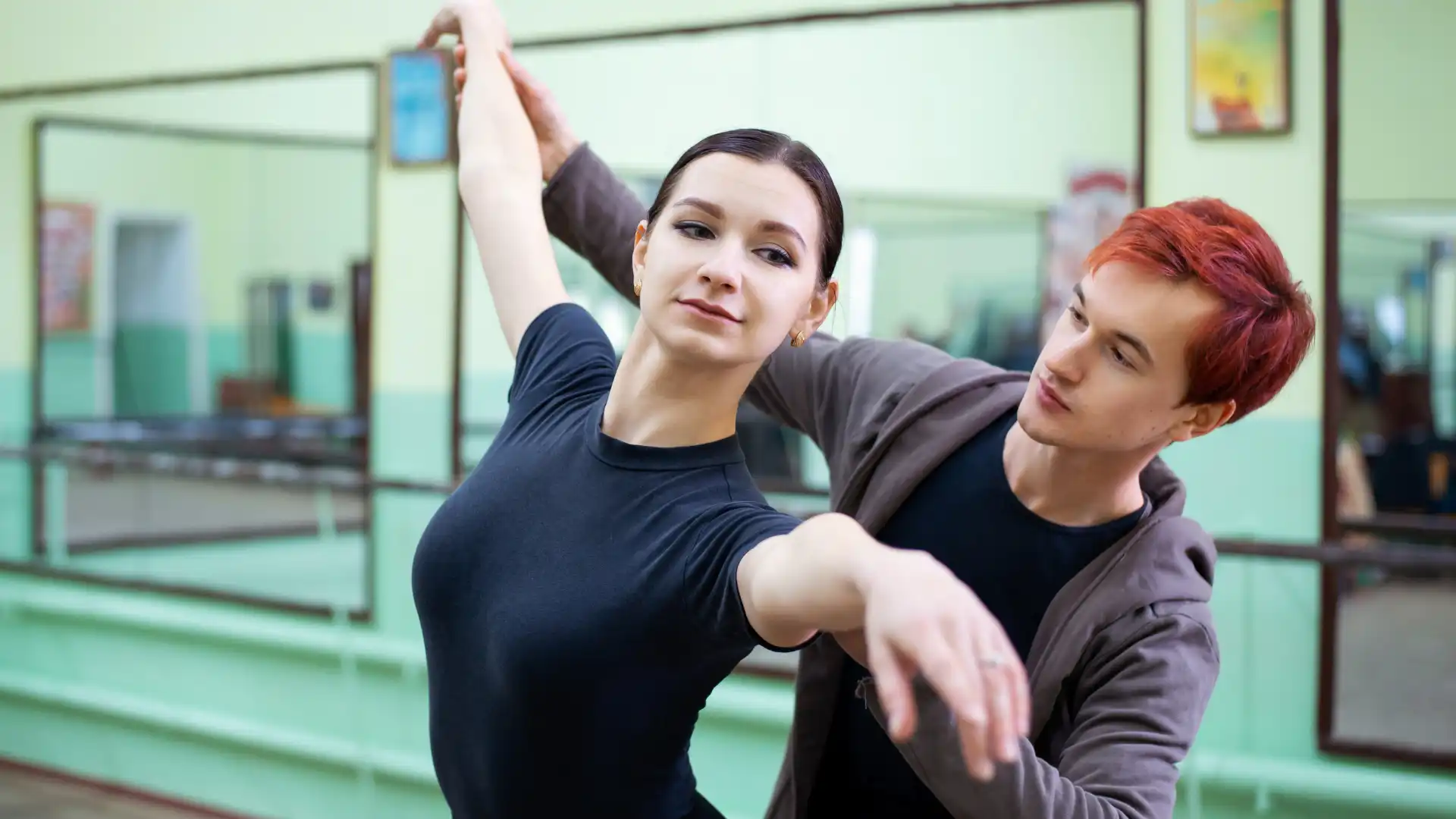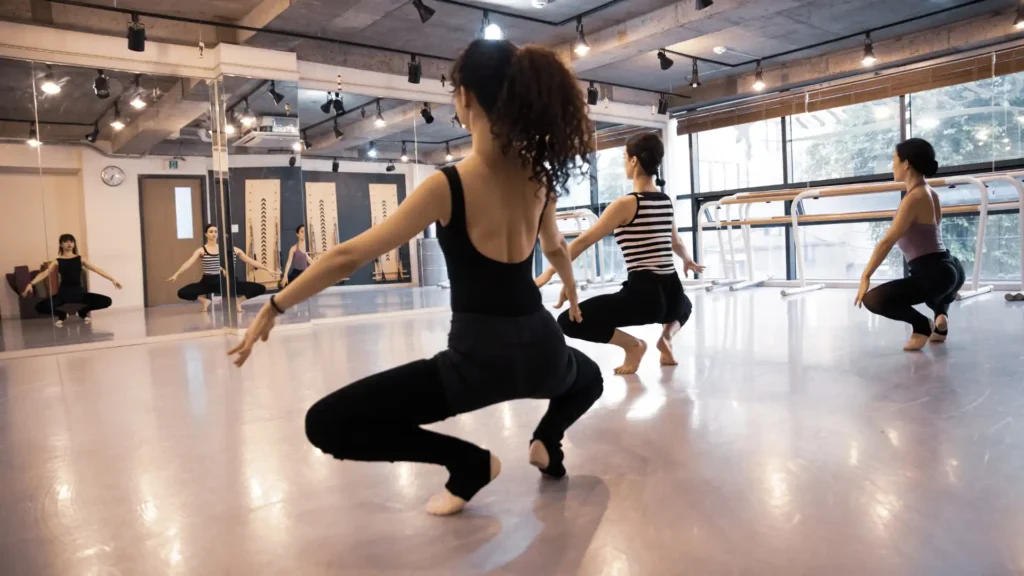
Becoming a professional choreographer is a dream for many dancers and creatives who want to express themselves through movement and storytelling. It takes dedication, training, creativity, and perseverance to succeed in the competitive world of dance. If you’re passionate about choreography and aspire to make a mark in the industry, here are some essential steps to help you on your journey to becoming a professional choreographer.
1. Cultivate Your Dance Skills
Before diving into choreography, it’s crucial to build a strong foundation in dance technique. Take classes in various dance styles, such as ballet, jazz, modern, and contemporary, to expand your movement vocabulary and enhance your physical abilities. The more versatile you are as a dancer, the more creative possibilities you’ll have as a choreographer.
2. Study Choreography and Composition
Understanding the principles of choreography and composition is essential for creating compelling dance pieces. Take classes or workshops specifically focused on choreographic techniques, improvisation, and dance composition to develop your choreographic voice and style. Experiment with different approaches to movement creation and storytelling to hone your craft.
3. Gain Performance Experience
Performing in dance productions and showcases can provide valuable insights into the choreographic process. As a performer, you’ll learn how choreography translates from the studio to the stage, giving you a deeper understanding of movement dynamics, staging, and audience engagement. Use your performance experiences to inform your choreographic decisions and refine your artistic vision.
4. Collaborate with Other Artists
Collaboration is key to growth and innovation in choreography. Work with dancers, musicians, designers, and other artists to create interdisciplinary performances that push boundaries and explore new creative territories. Collaborative projects can inspire fresh ideas, expand your artistic network, and expose you to different perspectives and artistic influences.
5. Create Your Own Choreographic Work
Start choreographing your own dance pieces to showcase your unique artistic voice and vision. Whether it’s a solo, duet, or group piece, use your creativity and skills to craft meaningful and impactful choreography. Experiment with different themes, music genres, and movement styles to develop a diverse choreographic portfolio that reflects your artistic range.
6. Seek Mentorship and Feedback
Seek guidance from experienced choreographers and dance professionals who can provide mentorship, feedback, and support as you navigate your choreographic journey. Collaborating with mentors and receiving constructive criticism can help you refine your choreographic skills, expand your artistic perspective, and navigate the challenges of the dance industry.
7. Attend Workshops and Residencies
Participating in choreography workshops, intensives, and residencies can offer valuable learning opportunities and exposure to different choreographic approaches and techniques. Immerse yourself in immersive creative environments where you can experiment, collaborate, and grow as a choreographer. These experiences can inspire new ideas, refine your choreographic process, and connect you with like-minded artists.
8. Build Your Professional Network
Networking is essential in the dance world, as it can lead to performance opportunities, collaborations, and exposure for your work. Attend dance events, festivals, and industry gatherings to meet fellow artists, choreographers, and dance professionals. Building a strong professional network can open doors to new choreographic projects, mentorship opportunities, and career advancement in the dance community.
9. Continue Your Education and Training
Professional development is an ongoing process in the dance field. Stay current with trends in choreography, attend masterclasses, and pursue further training to expand your skills and knowledge. Consider enrolling in the Juilliard Dance Choreography Essentials online course and certificate program by Yellowbrick to deepen your understanding of choreographic techniques, creative process, and career pathways in dance.
10. Embrace Creativity and Persistence
As you pursue a career in choreography, remember to stay true to your artistic vision, embrace creativity, and remain persistent in the face of challenges. The path to becoming a professional choreographer may be demanding, but with passion, dedication, and a willingness to learn and grow, you can achieve your goals and make a meaningful impact in the dance world.
Conclusion
Becoming a professional choreographer requires a combination of strong dance skills, creativity, experience, and persistence. By continuing to learn, collaborate, create original work, seek feedback, and build professional connections, aspiring choreographers can develop their artistic voice and prepare for opportunities in the dance industry. With dedication and a commitment to growth, passion for movement can become a rewarding professional career.
Key Takeaways:
- Build a strong dance foundation and study choreography to enhance your creative possibilities.
- Perform, collaborate with artists, and create your own choreographic work to refine your artistic vision.
- Learn from experienced choreographers, attend workshops, and continue your education to grow professionally.
- Build connections in the dance community, embrace creativity, and stay persistent in pursuing your choreographic dreams.
Consider enrolling in the Juilliard Dance Choreography Essentials online course and certificate program by Yellowbrick to unlock your creative potential and make your mark in the dance industry.