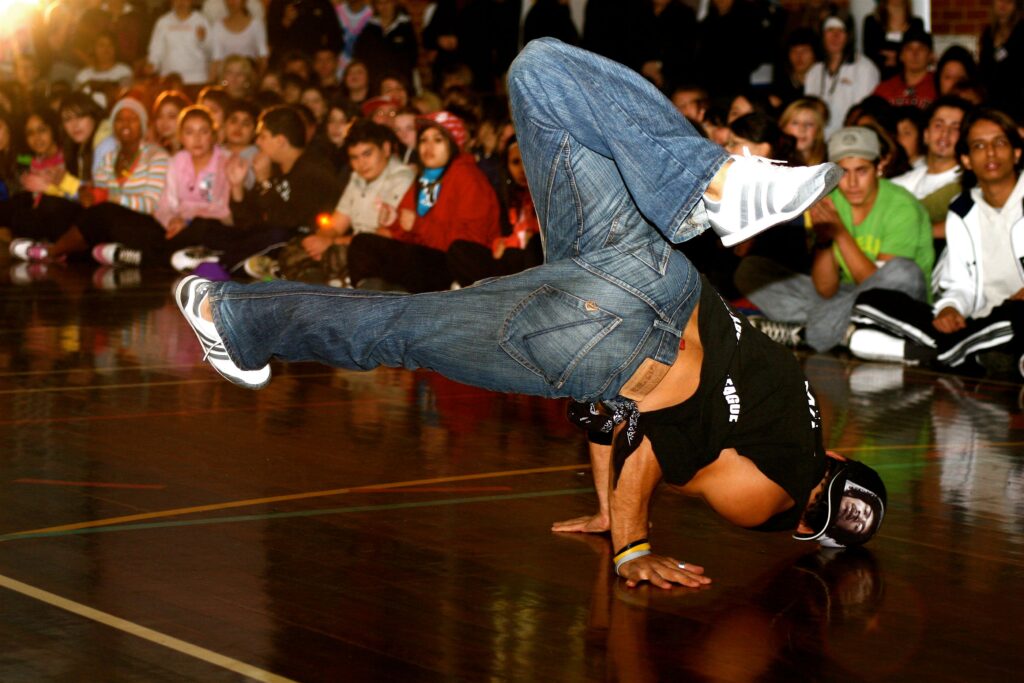
When it comes to hip hop choreography, mastering the art of movement and expression is key to creating dynamic and engaging routines. In this comprehensive guide, we explore valuable tips and techniques to help you elevate your hip hop choreography skills and stand out as a performer.
1. Understanding Hip Hop Foundations
Before delving into intricate choreography, it’s essential to have a strong understanding of hip hop foundations. Familiarize yourself with the history of hip hop dance, its various styles, and iconic choreographers. By grounding yourself in the roots of hip hop, you can infuse authenticity and originality into your choreographic creations.
2. Musicality and Rhythm
Music is the heartbeat of hip hop, and mastering musicality and rhythm is crucial for creating impactful choreography. Develop your ability to interpret beats, lyrics, and musical nuances to synchronize your movements with the music seamlessly. Understanding the relationship between music and movement will elevate the dynamics and energy of your choreography.
3. Creative Concept Development
Great hip hop choreography often stems from a strong creative concept or story. Experiment with different themes, emotions, and narratives to add depth and meaning to your routines. Whether you draw inspiration from personal experiences, social issues, or cultural influences, infusing your choreography with a compelling concept can captivate audiences and leave a lasting impression.
4. Body Isolation and Control
Precision and control are essential elements of effective hip hop choreography. Practice body isolations to master the art of moving different body parts independently. Strengthening your muscle control and coordination will allow you to execute intricate movements with fluidity and sharpness, enhancing the visual impact of your choreography.
5. Freestyle Exploration
Exploring freestyle dance can enhance your creativity and improvisational skills, which are valuable assets in hip hop choreography. Freestyling allows you to experiment with movement, explore your personal style, and discover new ways to express yourself through dance. Integrating elements of freestyle into your choreography can add spontaneity and authenticity to your performances.
6. Collaboration and Feedback
Collaborating with fellow dancers and seeking feedback from peers and mentors can provide valuable insights and perspectives on your choreography. Embrace opportunities to work with others, exchange ideas, and receive constructive criticism to refine your choreographic style and expand your artistic horizons. Constructive feedback can help you identify areas for improvement and push your creativity to new heights.
Conclusion
Hip hop choreography requires a strong foundation, musicality, creativity, body control, and a willingness to explore. By developing your technique, experimenting with freestyle, creating meaningful concepts, and learning through collaboration and feedback, you can create more dynamic and expressive routines. Consistent practice and artistic exploration will help you develop your unique voice as a hip hop choreographer.
Key Takeaways:
- Build a strong foundation in hip hop styles, history, and movement.
- Develop musicality and rhythm to create movement that connects with the music.
- Use creative concepts and storytelling to give choreography depth.
- Practice body isolations and control for sharper, more precise movements.
- Explore freestyle to strengthen creativity and personal expression.
- Collaborate with others and use constructive feedback to refine your choreography.
Consider enrolling in the Juilliard Dance Choreography Essentials online course and certificate program by Yellowbrick. Elevate your choreographic prowess and unleash your creative potential in the world of hip hop dance.