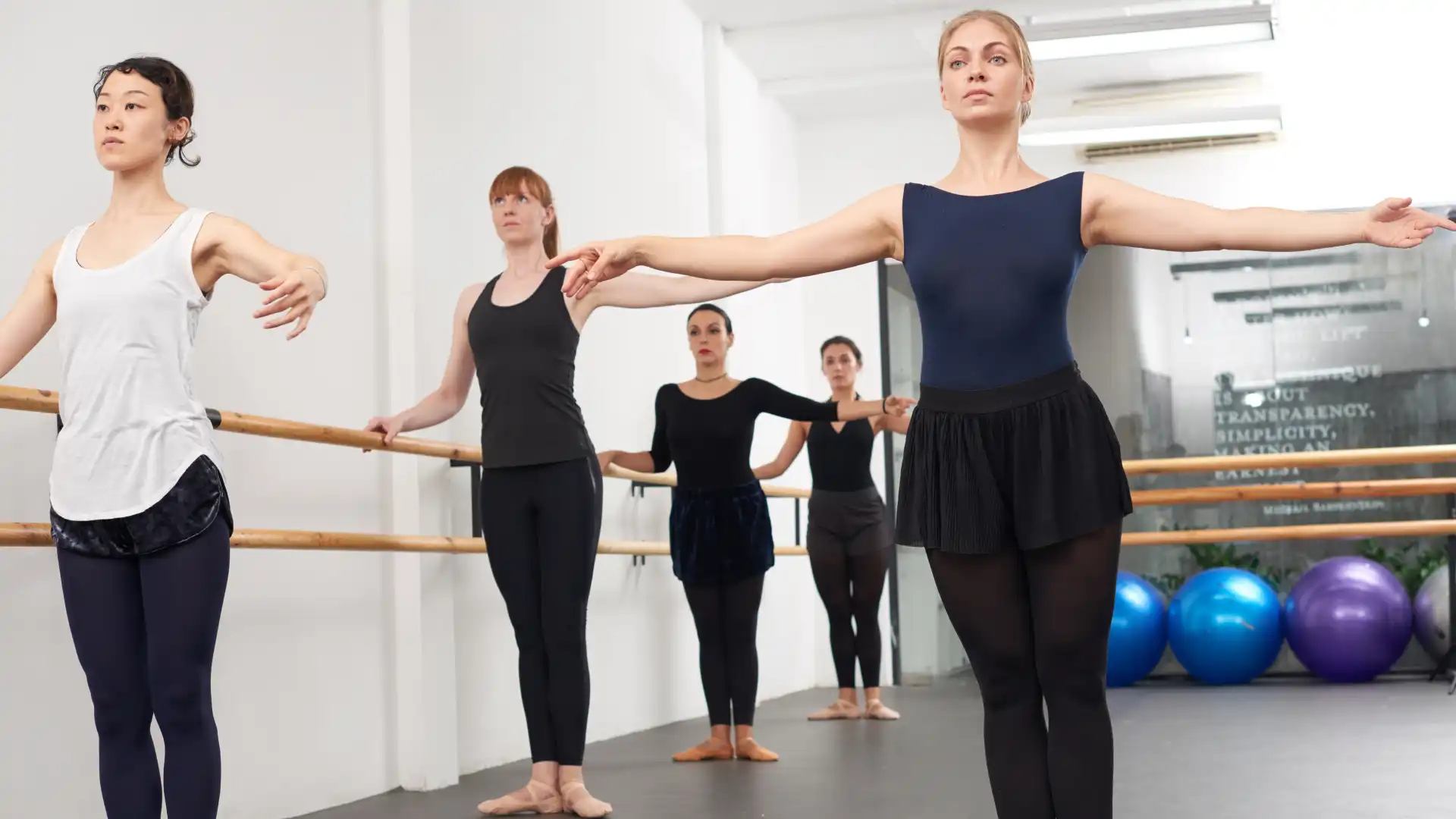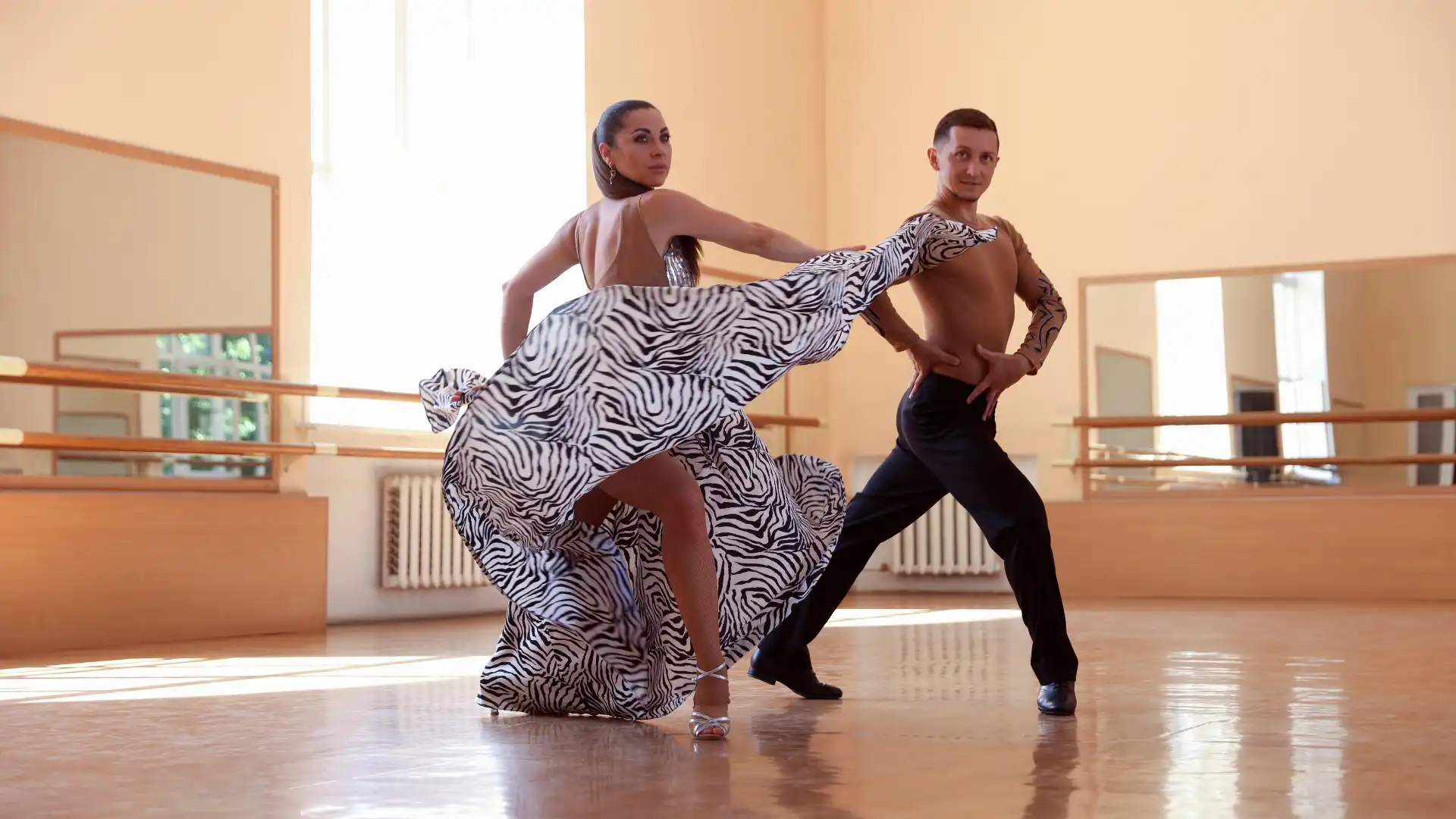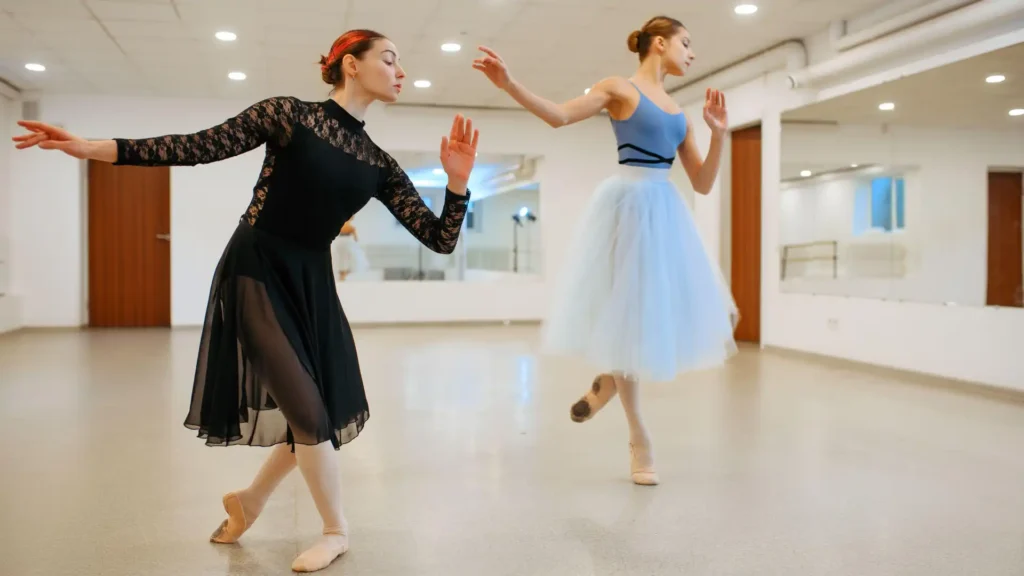
Choreographing a dance can be an exciting and fulfilling creative process, especially for beginners looking to explore their artistic expression through movement. Whether you’re new to choreography or have some experience and want to refine your skills, this guide will provide you with essential tips and techniques on how to choreograph a dance for beginners.
Understanding Choreography Basics
Before diving into the creative process of choreographing a dance, it’s important to understand the foundational elements of choreography:
- Movement Vocabulary: Familiarize yourself with different movement styles, techniques, and gestures to expand your creative toolkit.
- Rhythm and Musicality: Learn how to interpret music, identify beats, and match movement to the rhythm of the music.
- Space and Form: Explore spatial relationships, levels, and formations to effectively utilize the performance space.
- Emotion and Expression: Understand how to convey emotions and tell a story through movement and expression.
Steps to Choreographing a Dance
Follow these steps to create a well-structured and engaging dance piece:
- Choose Your Music: Select music that inspires you and resonates with the theme or mood you want to convey in your dance piece. Consider the tempo, dynamics, and emotional quality of the music.
- Develop a Concept: Establish a clear concept or narrative for your dance piece. Determine the story you want to tell or the emotions you want to evoke through your choreography.
- Create Movement Phrases: Begin by creating short movement sequences or phrases that reflect your concept and align with the music. Experiment with different movements and transitions.
- Explore Transitions: Paying attention to transitions between movement phrases is crucial for maintaining the flow and coherence of your choreography. Ensure smooth and seamless transitions between movements.
- Add Dynamics and Texture: Vary the dynamics, tempo, and intensity of your movements to create contrast and interest in your choreography. Play with different movement qualities to add texture to your dance piece.
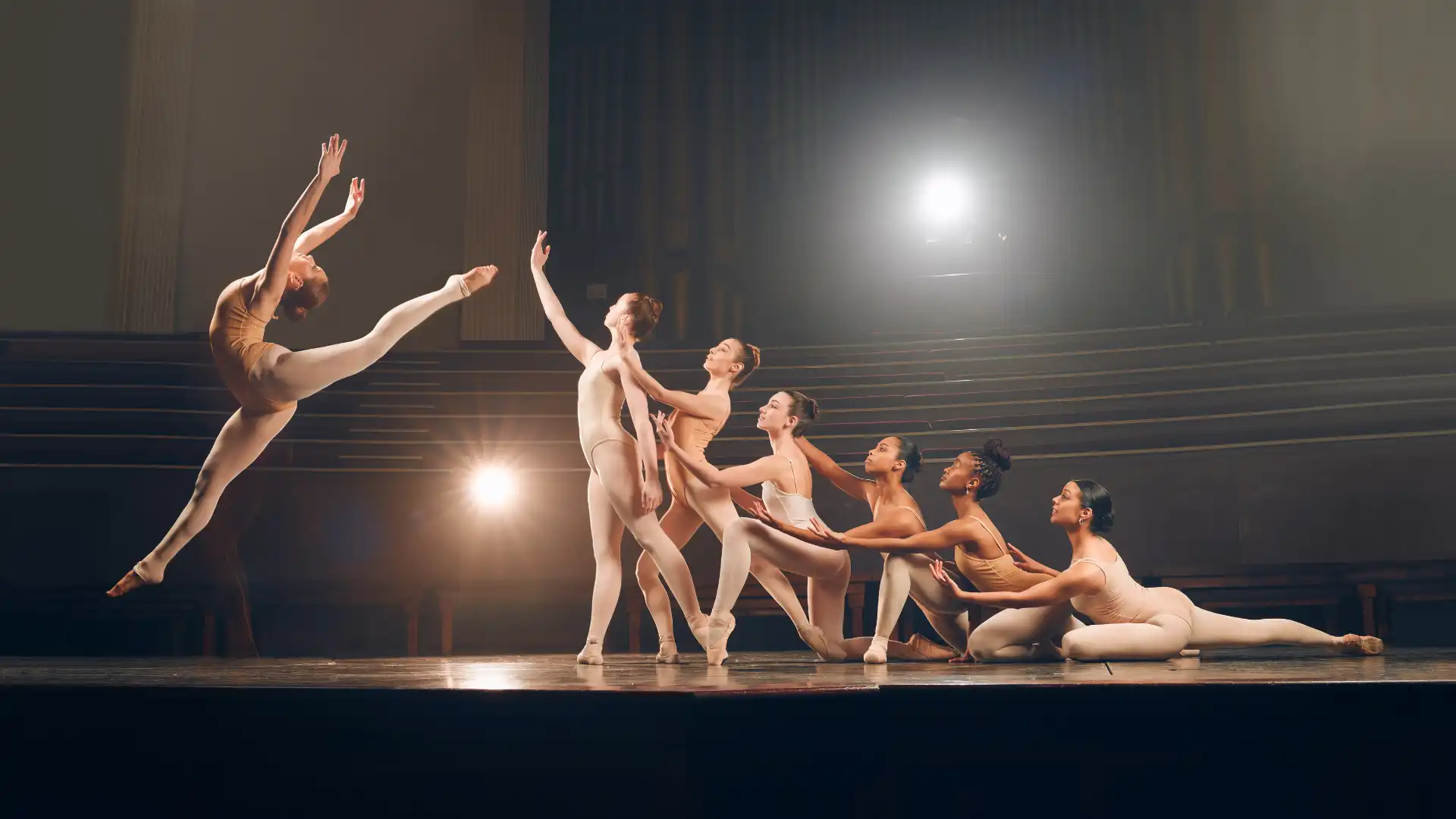
- Consider Formations and Groupings: If choreographing for a group, explore different formations, spatial arrangements, and groupings to create visually compelling and dynamic choreography.
- Refine and Rehearse: Once you have choreographed your dance piece, take the time to refine and polish the movements. Rehearse with your dancers to ensure precision and synchronization.
- Seek Feedback: Don’t be afraid to seek feedback from peers, mentors, or dancers. Constructive feedback can help you improve your choreography and refine your artistic vision.
Conclusion
Learning how to choreograph a dance for beginners starts with understanding movement, music, space, and expression. By developing a clear concept, creating movement phrases, refining transitions, rehearsing, and seeking feedback, beginners can build confidence and create engaging choreography that reflects their creativity.
Key Takeaways:
- Learn the fundamentals of movement, rhythm, space, and expression.
- Choose music and develop a clear concept for your choreography.
- Create movement phrases that match the music and concept.
- Use smooth transitions, varied dynamics, and formations to improve the performance.
- Rehearse and refine the choreography for precision and synchronization.
- Seek feedback to strengthen your choreography and artistic vision.
Ready to elevate your choreography skills? Consider enrolling in the Juilliard Dance Choreography Essentials online course and certificate program by Yellowbrick. Enhance your choreographic practice with expert guidance and valuable insights.