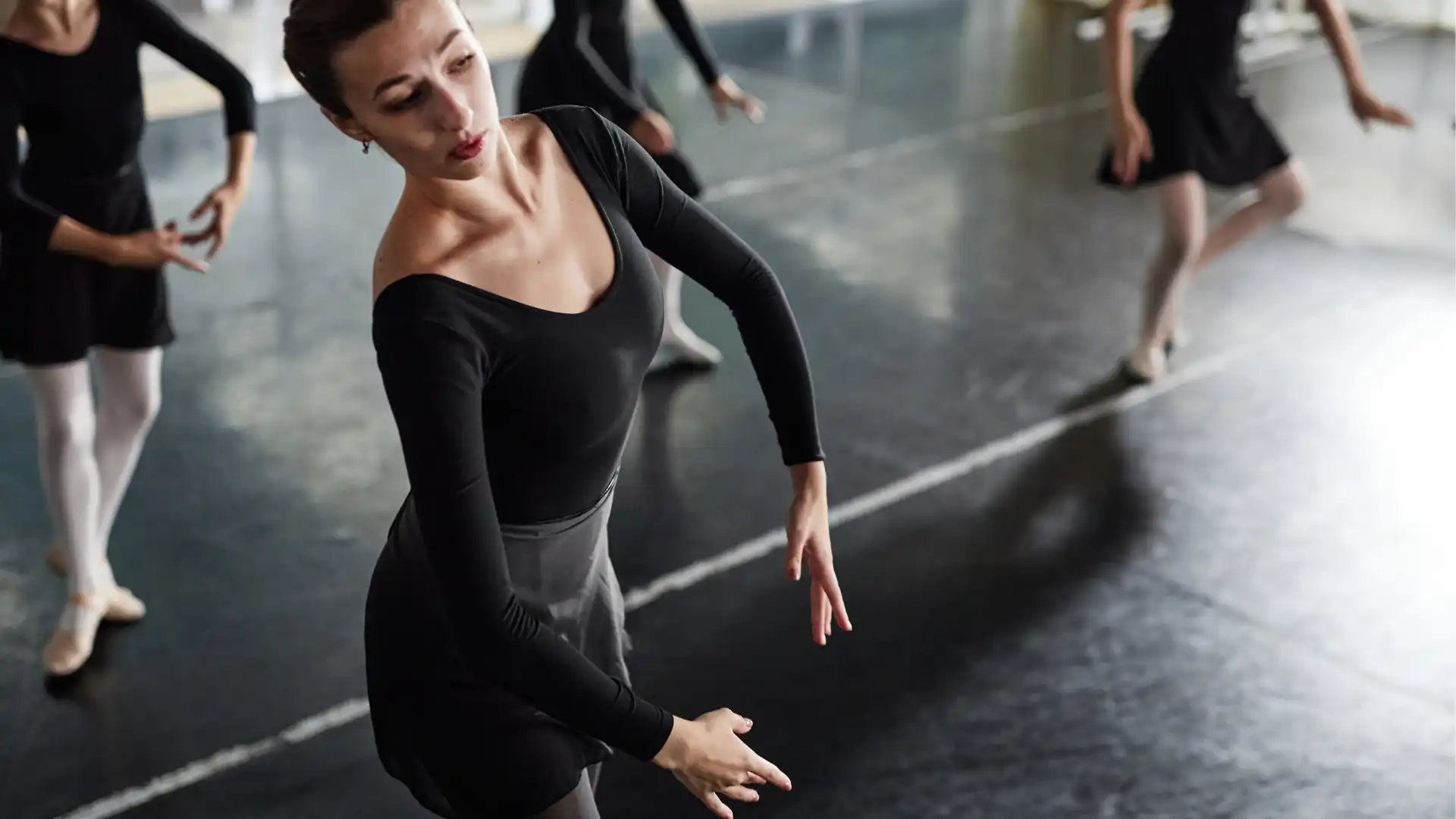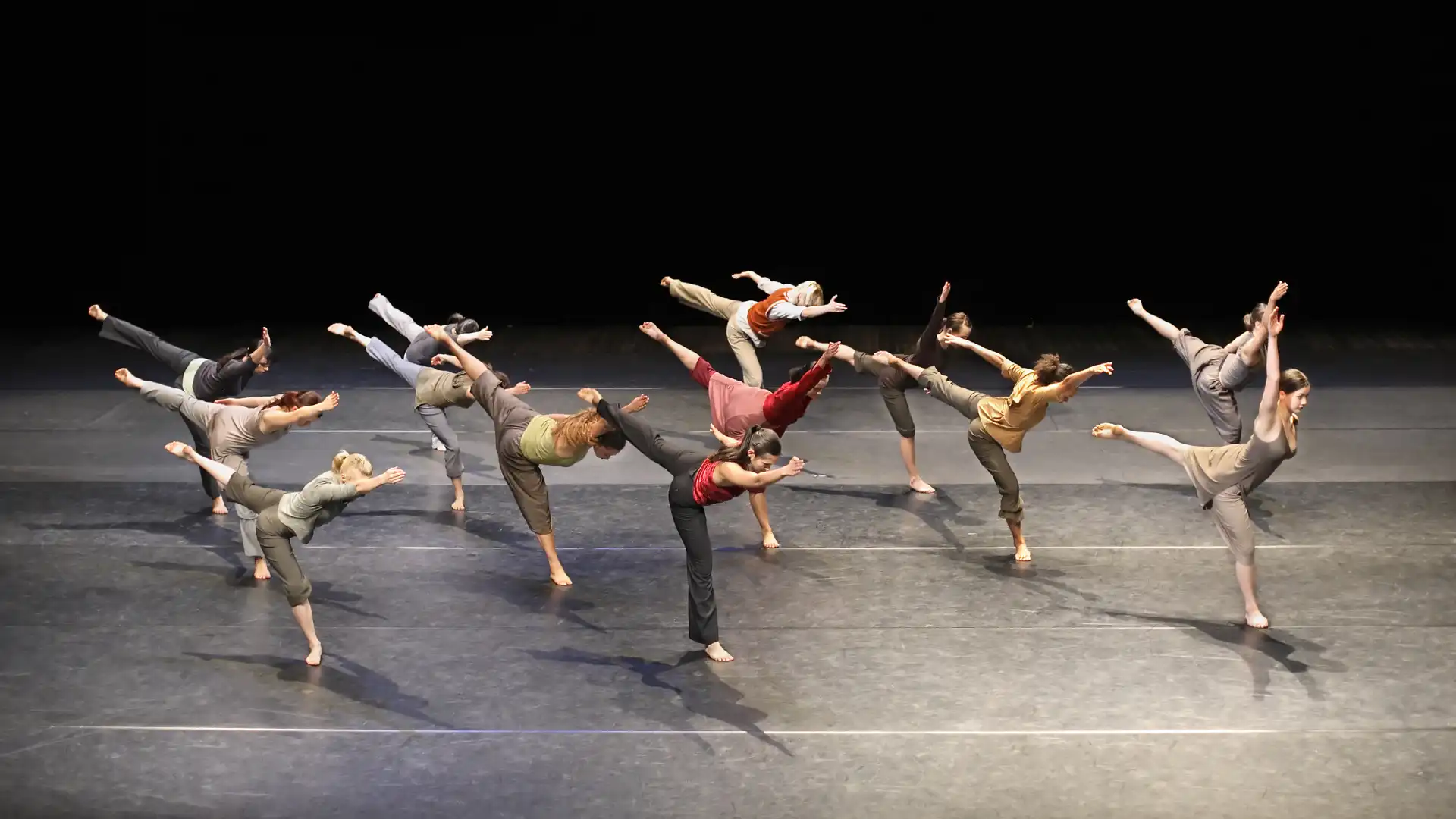
Embarking on a journey to become a dance teacher is both rewarding and fulfilling for those passionate about sharing their love for dance with others. Whether you aspire to teach ballet, hip-hop, contemporary, or any other dance style, the role of a dance teacher requires dedication, skill, and a deep understanding of dance education. In this comprehensive guide, we will delve into the steps and essential considerations for individuals looking to pursue a career as a dance teacher.
Educational Background and Training
While formal education is not always a requirement to become a dance teacher, having a solid foundation in dance and teaching methodologies can significantly enhance your skills and credibility as an instructor. Consider pursuing a degree in dance, education, or a related field to gain a deeper understanding of dance theory, history, anatomy, and pedagogy. Additionally, participating in workshops, seminars, and certification programs can further enrich your teaching abilities and keep you updated on current trends in the dance industry.
Developing Teaching Skills
Effective communication, patience, creativity, and adaptability are key qualities that successful dance teachers possess. As you embark on your journey to become a dance teacher, focus on honing your teaching skills by gaining practical experience through teaching assistantships, internships, or volunteering at dance studios, schools, or community centers. Observing experienced teachers, receiving feedback, and continuously refining your teaching techniques will help you become a more impactful and inspiring dance educator.
Specializing in Dance Styles
Identifying your area of specialization in dance can set you apart as a dance teacher and cater to specific student interests. Whether you excel in classical ballet, urban dance styles, ballroom, or contemporary dance, honing your expertise in a particular genre can attract students seeking specialized instruction. Additionally, staying versatile and knowledgeable in multiple dance styles can broaden your teaching opportunities and appeal to a diverse range of students.
Building a Professional Network
Networking within the dance community can open doors to teaching opportunities, collaborations, and professional growth. Attend dance events, workshops, and conferences to connect with fellow dancers, choreographers, studio owners, and educators. Building relationships with industry professionals can lead to guest teaching opportunities, mentorship, and valuable insights that can enhance your career as a dance teacher.
Conclusion
Becoming a dance teacher requires strong dance knowledge, effective teaching skills, and a commitment to continuous learning. By gaining proper training, developing teaching experience, specializing in dance styles, and building a professional network, aspiring instructors can create rewarding careers while helping students grow their skills and passion for dance.
Key Takeaways:
- Dance knowledge and proper training provide a strong foundation for teaching.
- Communication, patience, creativity, and adaptability are essential teaching skills.
- Specializing in specific dance styles can create more teaching opportunities.
- Practical teaching experience helps improve effectiveness and confidence.
- Networking can lead to valuable teaching, collaboration, and career opportunities.
Enhance your skills with the Juilliard Dance Choreography Essentials online course and certificate program by Yellowbrick, designed to equip you with the tools and techniques to excel in dance education.