In the ever-evolving beauty industry, understanding consumer insights is crucial for businesses to stay competitive and relevant. By delving into the preferences, behaviors, and expectations of beauty consumers, companies can tailor their products and marketing strategies to meet the demands of their target audience effectively. In this article, we will explore the importance of beauty consumer insights and how businesses can leverage this valuable information to drive growth and success in the industry.
Market Research and Analysis
One of the foundational elements of understanding beauty consumer insights is conducting comprehensive market research and analysis. By studying market trends, consumer behavior, competitor strategies, and demographic data, businesses can gain valuable insights into the needs and preferences of their target audience. This information forms the basis for developing effective marketing campaigns, product innovations, and customer engagement strategies.
Consumer Behavior Studies
Consumer behavior studies play a pivotal role in uncovering the motivations and decision-making processes of beauty consumers. By analyzing factors such as purchasing habits, brand loyalty, product preferences, and influencers’ impact, businesses can gain a deeper understanding of what drives consumer choices in the beauty market. This knowledge allows companies to tailor their offerings to align with consumer expectations and create personalized experiences that resonate with their audience.
Trend Forecasting
Keeping abreast of emerging beauty trends is essential for businesses looking to capitalize on consumer preferences and stay ahead of the competition. Trend forecasting involves analyzing industry developments, social media influences, celebrity endorsements, and cultural shifts to predict the next big trends in beauty. By proactively identifying and adapting to these trends, companies can position themselves as innovative leaders in the market and attract a loyal following of trend-conscious consumers.
Data Analytics and Insights
In the digital age, data analytics plays a critical role in uncovering valuable insights into consumer behavior and preferences. By leveraging data from online platforms, social media channels, e-commerce sites, and customer feedback, businesses can track key performance indicators, measure campaign effectiveness, and identify areas for improvement. This data-driven approach enables companies to make informed decisions, optimize their marketing strategies, and enhance the overall customer experience.
Personalization and Customization
Beauty consumers today seek personalized and customized experiences that cater to their individual needs and preferences. By leveraging consumer insights, businesses can create tailored product offerings, personalized marketing campaigns, and targeted promotions that resonate with their target audience. This level of personalization not only enhances customer satisfaction but also fosters brand loyalty and long-term customer relationships.
Influencer Marketing Strategies
Influencer marketing has become a powerful tool for beauty brands to connect with consumers and drive engagement. By partnering with influencers who have a strong influence and following in the beauty industry, companies can reach a wider audience, build credibility, and generate buzz around their products. Leveraging beauty consumer insights, businesses can identify the right influencers to collaborate with and create authentic and impactful marketing campaigns that resonate with their target demographic.
Product Development and Innovation
Consumer insights are invaluable for guiding product development and innovation in the beauty industry. By understanding consumer preferences, trends, and pain points, businesses can create products that meet the specific needs and desires of their target audience. Whether it’s developing sustainable and eco-friendly products, incorporating cutting-edge technology, or formulating skincare solutions tailored to specific skin concerns, consumer insights are instrumental in driving product innovation and differentiation in the competitive beauty market.
Customer Engagement and Retention
Building strong customer relationships is essential for driving brand loyalty and repeat business in the beauty industry. By leveraging beauty consumer insights, businesses can develop effective customer engagement strategies that foster trust, loyalty, and advocacy among their target audience. From personalized communication and loyalty programs to exclusive offers and rewards, companies can create meaningful touchpoints that keep customers engaged and coming back for more.
Social Media Listening and Monitoring
Social media platforms provide a wealth of insights into consumer sentiment, preferences, and trends in the beauty industry. By actively listening to social media conversations, monitoring brand mentions, and analyzing engagement metrics, businesses can gain real-time feedback on their products and marketing efforts. This social listening approach allows companies to identify emerging trends, address customer concerns promptly, and engage with their audience in a meaningful way.
Continuous Learning and Adaptation
The beauty industry is dynamic and constantly evolving, with new trends, technologies, and consumer preferences shaping the market landscape. To stay competitive and relevant, businesses must prioritize continuous learning, adaptation, and agility. By staying informed about industry developments, consumer insights, and market trends, companies can adapt their strategies, innovate their offerings, and stay ahead of the curve in the ever-changing beauty landscape.
Conclusion
In this article, we have explored the importance of beauty consumer insights and how businesses can leverage this valuable information to drive growth and success in the industry. By understanding consumer behavior, market trends, and emerging preferences, companies can tailor their products, marketing strategies, and customer engagement efforts to meet the evolving needs of beauty consumers effectively.
Key Takeaways:
- Conduct comprehensive market research and analysis to understand consumer needs.
- Study consumer behavior to tailor product offerings and create personalized experiences.
- Stay updated on emerging beauty trends through trend forecasting.
- Utilize data analytics to measure performance and enhance customer experience.
- Personalize marketing strategies and engage with consumers to foster brand loyalty.
- Collaborate with influencers and innovate product development based on consumer insights.
- Develop effective customer engagement strategies for retention and advocacy.
- Monitor social media conversations and engage with consumers in a meaningful way.
- Prioritize continuous learning and adaptation to stay competitive in the dynamic beauty landscape.
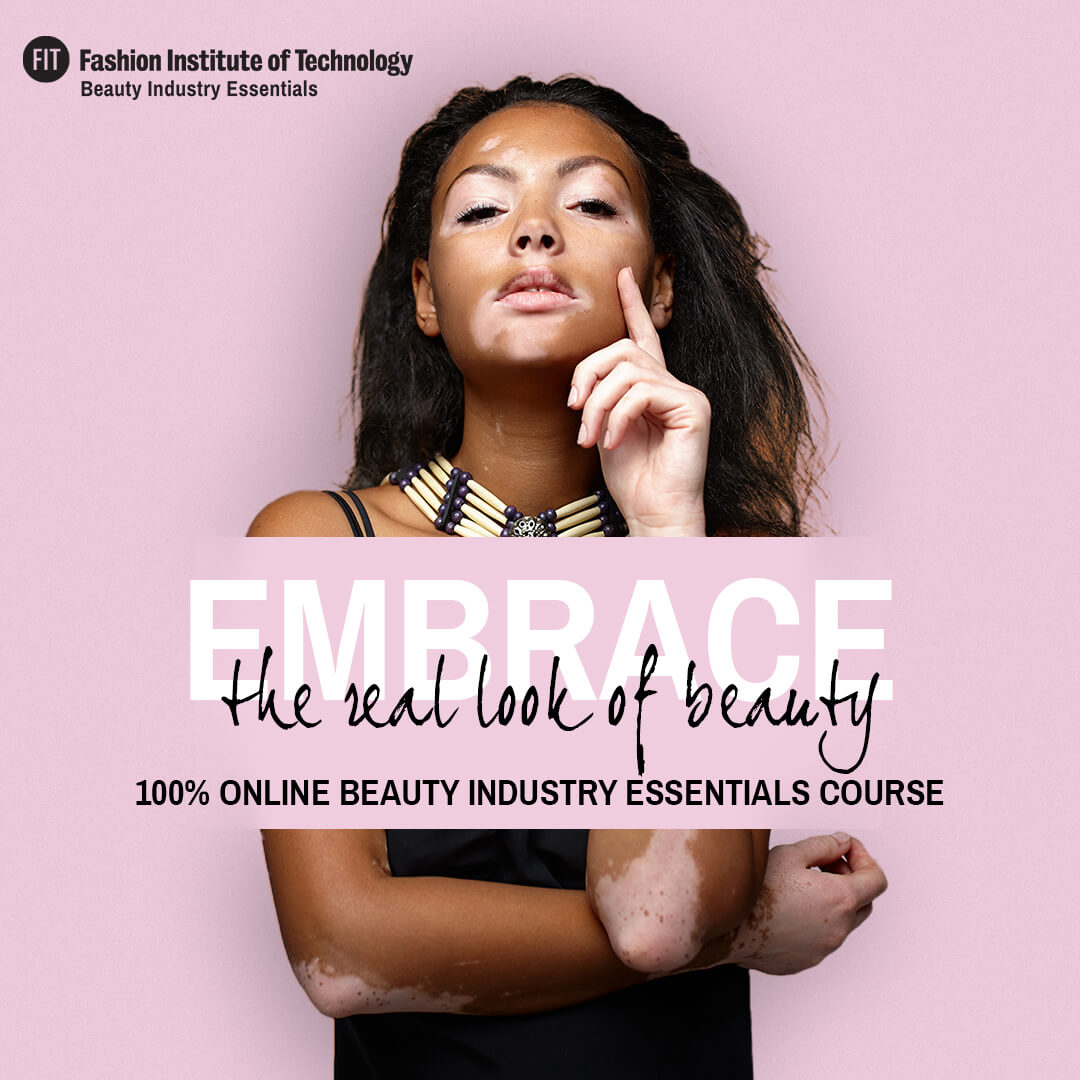
Consider enhancing your skills and expertise in the beauty industry by exploring the FIT Beauty Industry Essentials online course and certificate program offered by Yellowbrick. Elevate your knowledge and stay ahead in the ever-evolving beauty market.