The beauty industry is one of the most competitive and fast-moving markets in the world. With constantly evolving consumer preferences, digital innovation, and rising demand for authenticity, beauty brands must adopt smart, flexible, and customer-focused marketing strategies to stand out. From startups to established labels, success depends on how effectively brands connect with their audience and communicate value.
1. Build a Strong Brand Identity
A clear and compelling brand identity is the foundation of effective beauty marketing. This includes a consistent visual aesthetic, tone of voice, and brand story that resonates with the target audience. Consumers are drawn to brands that align with their values, whether that’s sustainability, inclusivity, luxury, or innovation. A strong identity helps create emotional connections and long-term loyalty.
2. Leverage Social Media and Influencer Marketing
Social media remains a powerful tool for beauty marketing. Platforms like Instagram, TikTok, and YouTube allow brands to showcase products through tutorials, before-and-after results, and behind-the-scenes content. Influencer partnerships, especially with micro-influencers, help build trust and authenticity. Real experiences and honest reviews often influence purchasing decisions more than traditional advertising.
3. Focus on Educational Content
Modern beauty consumers want to understand what they are using and why it works. Educational content such as skincare guides, ingredient breakdowns, and how-to videos positions a brand as an authority. Blogs, live sessions, and short-form videos help demystify beauty routines and empower consumers to make informed choices.
4. Embrace Personalization and Data-Driven Marketing
Personalized marketing enhances customer engagement and conversion rates. By using data insights, brands can tailor product recommendations, email campaigns, and online experiences to individual preferences. Skin quizzes, personalized routines, and AI-powered tools create a more relevant and memorable customer journey.
5. Highlight Authenticity and Transparency
Trust is a critical factor in beauty marketing. Consumers increasingly expect honesty about ingredients, sourcing, testing, and brand ethics. Transparent communication, user-generated content, and real customer testimonials help build credibility. Brands that openly share their values and processes tend to foster stronger consumer relationships.
6. Utilize Omnichannel Marketing
Successful beauty brands create seamless experiences across multiple channels, including websites, social media, e-commerce platforms, and physical stores. Consistent messaging and integrated campaigns ensure that customers receive the same brand experience wherever they interact. Omnichannel strategies also help reach consumers at different stages of the buying journey.
7. Invest in Community Building
Creating a loyal community goes beyond selling products. Beauty brands that engage their audience through forums, social groups, live events, and exclusive content build deeper relationships. Encouraging conversations, feedback, and participation makes customers feel valued and connected to the brand.
8. Adapt to Trends While Staying True to the Brand
The beauty industry thrives on trends, but not every trend fits every brand. Successful marketing balances innovation with authenticity. Brands should adopt trends that align with their identity and audience while maintaining a consistent message. This approach ensures relevance without losing credibility.
Conclusion
Marketing beauty brands requires a blend of creativity, strategy, and authenticity. By focusing on strong branding, digital engagement, education, personalization, and trust, beauty brands can stand out in a crowded market. As consumer expectations continue to evolve, brands that prioritize meaningful connections and value-driven marketing will achieve lasting success.
Key Takeaways:
- The beauty industry offers a myriad of career paths for individuals passionate about beauty and marketing.
- From skincare specialists to beauty brand managers, there are diverse roles that cater to various interests and skill sets.
- Marketing strategies for beauty professionals include leveraging social media, collaborating with influencers, and offering personalized services.
- Developing a strong brand identity, conducting market research, and creating innovative campaigns are essential for success in marketing for beauty brands.
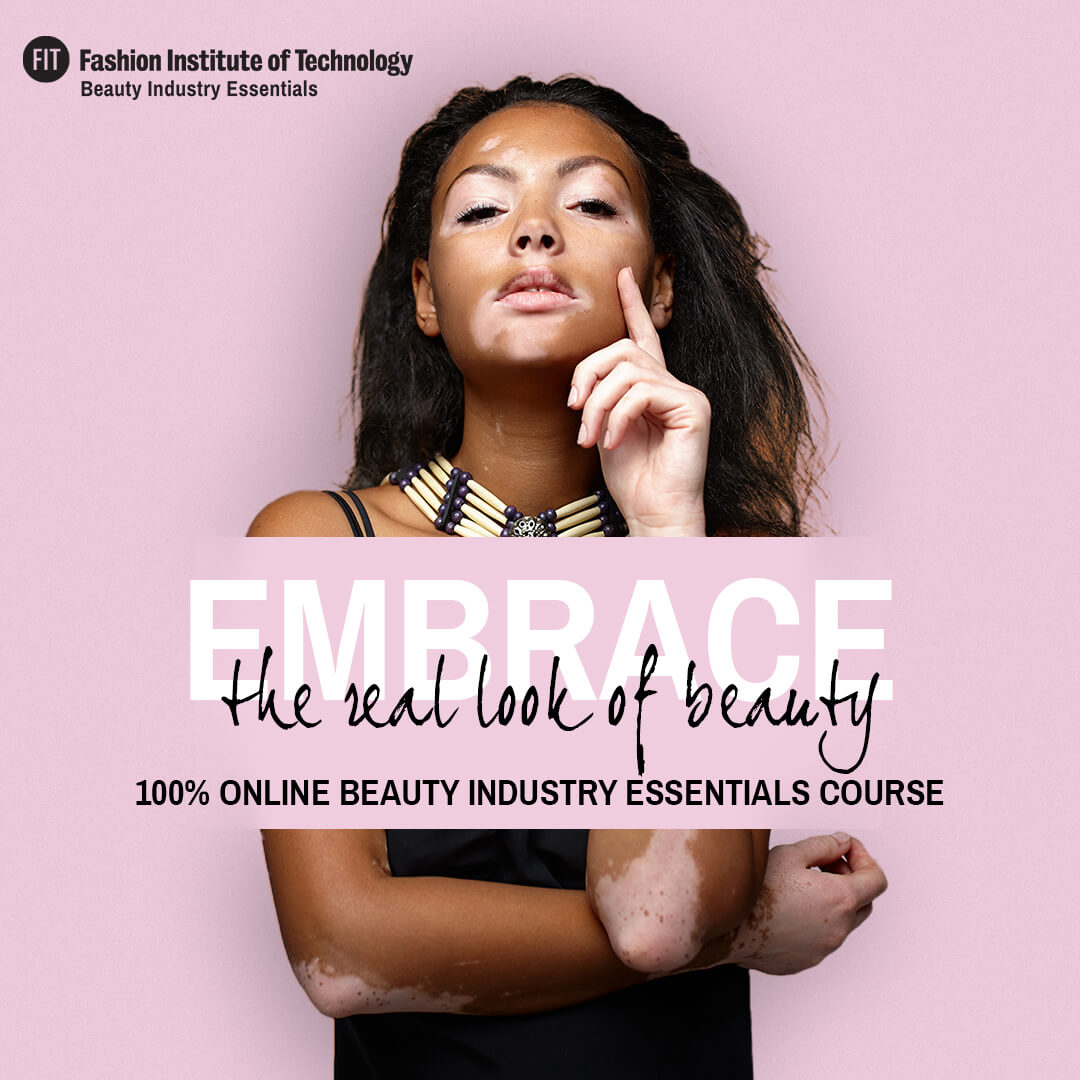
Consider taking the FIT Beauty Industry Essentials online course and certificate program to enhance your skills and propel your career in the beauty industry.