Acting classes play a pivotal role in shaping aspiring actors’ skills and preparing them for a successful career in the entertainment industry. Whether you are a seasoned performer looking to refine your craft or a beginner eager to learn the fundamentals of acting, enrolling in a reputable acting class can provide you with the necessary tools and knowledge to excel in this competitive field.
Acting Coach
Working with a seasoned acting coach can be a transformative experience for actors at any stage of their careers. An acting coach can provide personalized guidance, help you understand and embody your characters, and offer constructive feedback to enhance your performances. With their expertise and mentorship, an acting coach can help you unlock your full potential and elevate your acting skills to new heights.
Improvisation Instructor
Improvisation, or improv, is a valuable skill for actors to develop, as it enhances their ability to think on their feet, react in the moment, and create authentic performances. Improv instructors teach actors how to improvise dialogue, actions, and scenarios, fostering creativity, spontaneity, and collaboration. By honing their improvisational skills in a supportive environment, actors can expand their range and versatility as performers.
Scene Study Teacher
Scene study classes focus on analyzing and interpreting scenes from plays, films, or television shows to deepen actors’ understanding of character development, relationships, and storytelling. Scene study teachers guide actors through scene work, helping them dissect scripts, explore character motivations, and build authentic connections with scene partners. By delving into the nuances of scenes, actors can refine their craft and deliver nuanced and compelling performances.
Voice and Speech Coach
A strong and expressive voice is essential for actors to effectively communicate emotions, intentions, and characters on stage and screen. Voice and speech coaches work with actors to develop vocal techniques, improve articulation, and enhance their vocal range and flexibility. By mastering vocal control, projection, and clarity, actors can captivate audiences with their vocal performances and bring characters to life with authenticity and impact.
Movement Instructor
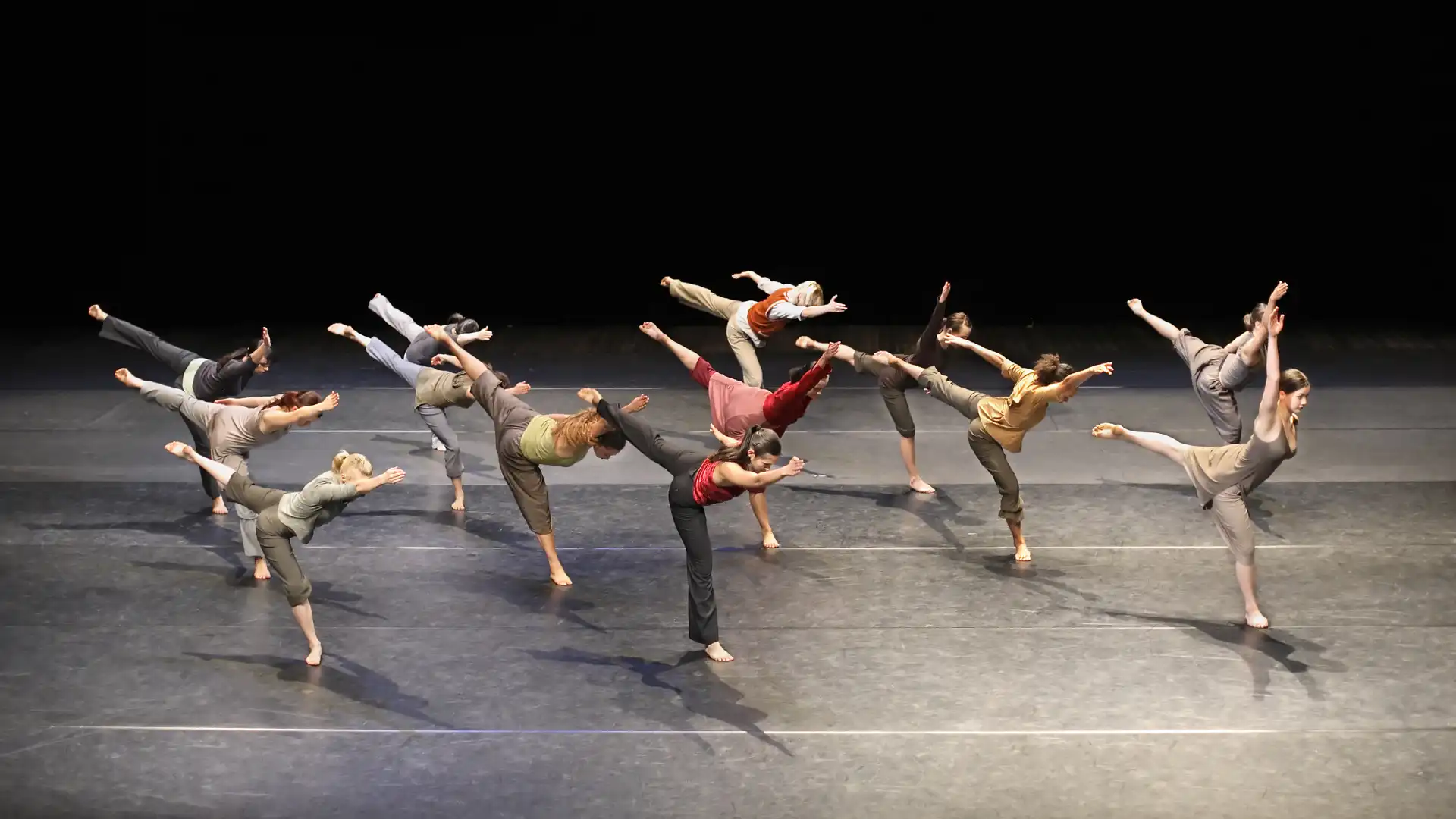
Movement classes focus on body awareness, physicality, and movement techniques to help actors embody characters physically and express emotions through movement. Movement instructors teach actors how to use their bodies effectively on stage, explore different movement styles, and create dynamic and engaging physical performances. By refining their movement skills, actors can convey character traits, emotions, and storytelling through their physical presence and movements.
Audition Coach
Auditions are a critical aspect of an actor’s career, and working with an audition coach can help actors prepare effectively and confidently for auditions. Audition coaches assist actors in selecting and preparing audition material, honing their audition skills, and mastering the art of self-presentation. With personalized coaching and feedback, actors can approach auditions with poise, authenticity, and professionalism, increasing their chances of success in the competitive audition process.
On-Camera Acting Teacher
With the rise of film, television, and digital media, on-camera acting skills have become increasingly important for actors seeking on-screen opportunities. On-camera acting teachers help actors adapt their performances for the camera, refine their on-screen presence, and navigate the technical aspects of on-camera acting. By mastering on-camera techniques, actors can deliver compelling and natural performances that resonate with audiences in various visual mediums.
Character Development Workshop Facilitator
Character development workshops focus on helping actors create fully realized and multi-dimensional characters for their performances. Facilitators guide actors through exercises, discussions, and explorations to deepen their understanding of characters’ backgrounds, motivations, and relationships. By delving into the intricacies of character development, actors can bring depth, complexity, and authenticity to their performances, connecting with audiences on a deeper level.
Script Analysis Specialist
Script analysis is a crucial skill for actors to interpret and understand the nuances of a script, characters, and narratives. Script analysis specialists teach actors how to dissect scripts, identify themes, subtext, and character arcs, and make informed choices for their performances. By mastering script analysis, actors can bring clarity, depth, and insight to their interpretations, creating rich and compelling performances that resonate with audiences.
Industry Professional Panelist
Industry professional panelists, often comprised of casting directors, agents, directors, and producers, offer valuable insights, advice, and industry perspectives to actors seeking to navigate the entertainment industry. Panel discussions, workshops, and seminars led by industry professionals provide actors with insider knowledge, networking opportunities, and career guidance to help them succeed in the competitive entertainment landscape.
Conclusion
Acting classes offer a wealth of opportunities for actors to develop their skills, expand their knowledge, and grow as performers. Whether you are looking to enhance your acting technique, explore new approaches to character development, or prepare for auditions and on-camera work, enrolling in a variety of acting classes can provide you with the tools and resources to thrive in the dynamic world of performing arts.
Key Takeaways:
- Acting classes are essential for building both foundational skills and long-term professional growth in a competitive industry.
- Personalized coaching accelerates development by helping actors understand characters, refine technique, and improve performance quality.
- Improv training strengthens adaptability, creativity, and authenticity in live and scripted work.
- Scene study deepens storytelling by improving script interpretation, emotional truth, and partner connection.
- Voice and movement training ensure actors communicate effectively through both physical and vocal expression.
- Audition preparation is a skill in itself and directly impacts casting success and professional confidence.
- On-camera training helps actors adjust performance style for film, television, and digital media demands.
- Character development and script analysis create richer, more believable, and emotionally grounded performances.
- Exposure to industry professionals provides practical knowledge, networking opportunities, and career direction.
- Overall, continuous training across multiple disciplines makes actors more versatile, competitive, and career-ready.
Consider exploring the NYU Performing Arts Industry Essentials online course and certificate program offered by Yellowbrick to further your knowledge and expertise in the performing arts industry.