Stagecraft is a vital aspect of the performing arts, encompassing the technical and artistic elements that come together to create a captivating and immersive theatrical experience. From set design and lighting to sound effects and costume choices, stagecraft plays a crucial role in bringing a production to life and engaging audiences on a deeper level.
Set Design
Set design is a fundamental component of stagecraft, setting the tone and atmosphere for a performance. A well-designed set can transport the audience to different locations, time periods, and emotional landscapes, enhancing the storytelling and creating a visually stunning backdrop for the actors. Set designers work closely with directors and other production team members to bring the vision of the play to fruition, considering elements such as scale, color, texture, and functionality to create a cohesive and impactful set design.
Lighting Design
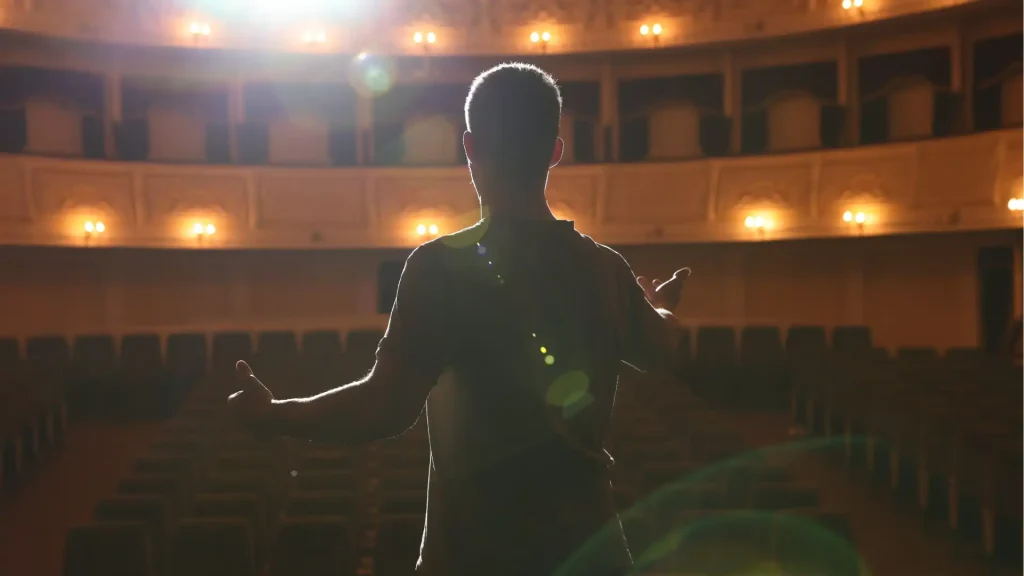
Lighting design is another essential aspect of stagecraft that can dramatically enhance the mood, focus, and visual impact of a performance. Lighting designers use a combination of different lighting instruments, colors, angles, and intensities to create dynamic lighting schemes that complement the action on stage and evoke specific emotions in the audience. From highlighting key moments to creating dramatic shadows and silhouettes, lighting design plays a crucial role in shaping the overall aesthetic and storytelling of a production.
Sound Design
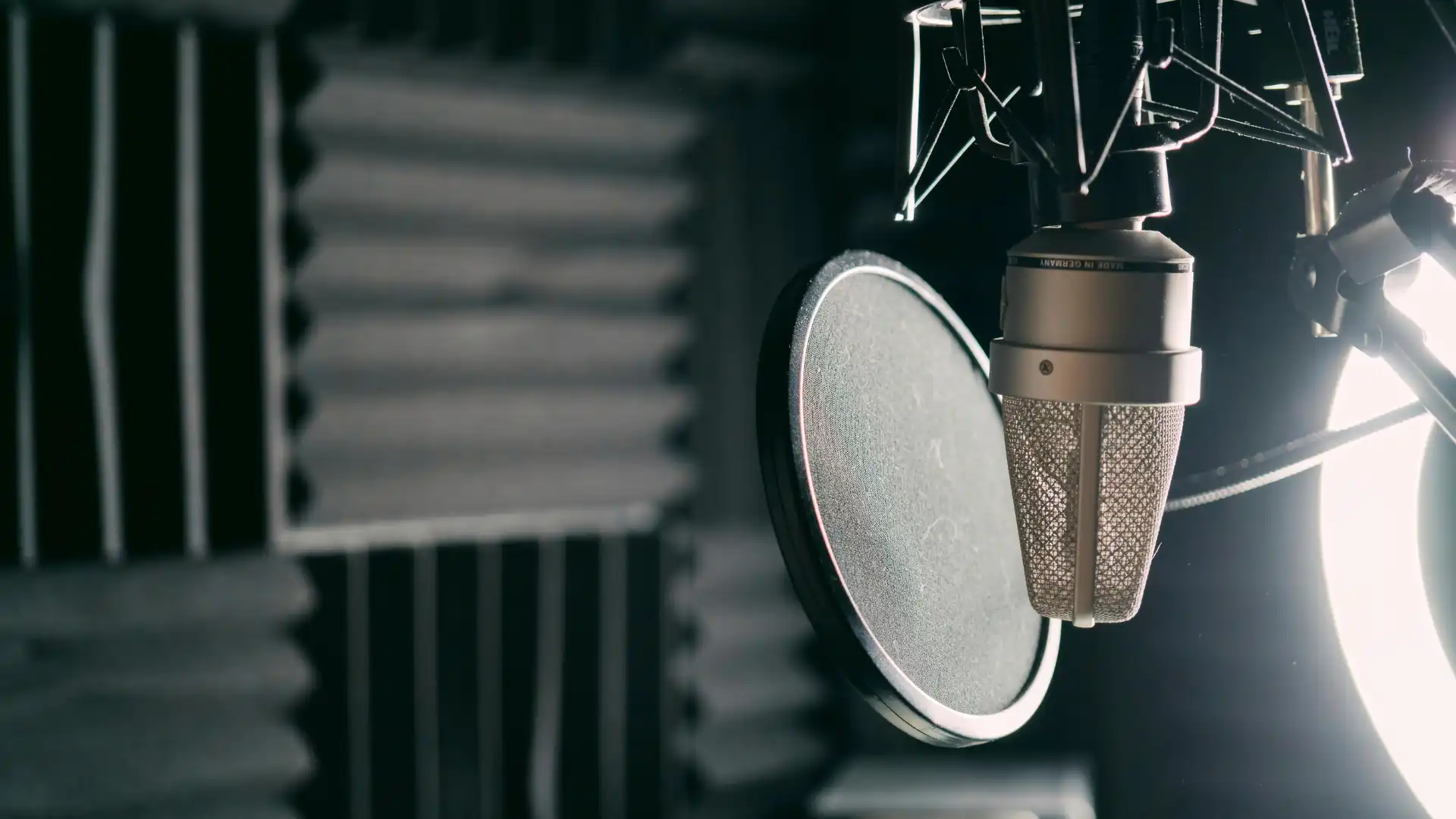
Sound design is a powerful tool in stagecraft that helps to immerse the audience in the world of the play and enhance the emotional impact of the performance. Sound designers create and manipulate sound effects, music, and ambient noise to create atmosphere, establish mood, and underscore key moments in the production. Whether it’s the subtle rustling of leaves, the ominous sound of thunder, or a dramatic musical cue, sound design adds depth and dimension to the theatrical experience, engaging the audience’s auditory senses and enriching the storytelling.
Costume Design
Costume design is an integral part of stagecraft that helps to define characters, establish time periods, and enhance the visual storytelling of a production. Costume designers collaborate with directors, actors, and other creatives to create costumes that reflect the personalities, backgrounds, and motivations of the characters, as well as the overall aesthetic of the play. From period costumes to avant-garde designs, costume design plays a key role in bringing characters to life and adding layers of meaning to their interactions and relationships on stage.
Prop Design
Props are essential elements of stagecraft that help to create a sense of realism and authenticity in a production. Prop designers source, create, and manage props that are used by actors during a performance, ranging from everyday objects to elaborate set pieces. Props not only serve practical purposes, such as providing actors with items to interact with, but they also contribute to the overall visual storytelling and world-building of the play. Attention to detail, historical accuracy, and functionality are key considerations in prop design, ensuring that props enhance the narrative and contribute to the immersive experience for the audience.
Special Effects
Special effects are a thrilling aspect of stagecraft that can add excitement, spectacle, and magic to a performance. From pyrotechnics and flying effects to projections and illusions, special effects create moments of awe and wonder that captivate audiences and enhance the storytelling. Special effects designers work closely with directors, technical teams, and performers to plan and execute intricate effects that seamlessly integrate into the production, creating memorable and impactful moments that leave a lasting impression on the audience.
Stage Management
Stage management is the backbone of stagecraft, providing organizational, logistical, and creative support to ensure the smooth running of a production. Stage managers oversee all aspects of a performance, from coordinating rehearsals and scheduling to managing backstage operations and cueing technical elements during shows. With a keen eye for detail, strong communication skills, and the ability to multitask under pressure, stage managers play a vital role in bringing together the various elements of stagecraft and ensuring that a production runs seamlessly from start to finish.
Technical Direction
Technical direction is a key role in stagecraft that involves overseeing the technical aspects of a production, including set construction, lighting, sound, and special effects. Technical directors work closely with designers, builders, technicians, and other production team members to coordinate the technical elements of a performance and ensure that everything runs smoothly behind the scenes. With expertise in technical theater, project management, and problem-solving, technical directors play a crucial role in bringing the creative vision of a production to life and ensuring that all technical aspects are executed to a high standard.
Stage Crew
The stage crew is an essential part of stagecraft, providing support and assistance to ensure that a production runs smoothly and efficiently. Stage crew members handle a variety of tasks, including set changes, prop management, lighting and sound operation, and backstage coordination. With teamwork, precision, and quick thinking, stage crew members work behind the scenes to ensure that transitions are seamless, cues are executed on time, and technical elements are in place to support the performers and enhance the overall production.
Production Design
Production design encompasses the overall visual and aesthetic concept of a production, integrating elements such as set design, lighting, sound, costumes, props, and special effects to create a cohesive and immersive theatrical experience. Production designers collaborate with directors, designers, and other creatives to develop a unified vision for the production, ensuring that all elements work together harmoniously to support the storytelling and engage the audience. With a keen eye for detail, creativity, and a deep understanding of the dramatic text, production designers play a crucial role in shaping the visual and atmospheric world of a play, bringing the script to life in a compelling and dynamic way.
Conclusion
Stagecraft is a multifaceted and collaborative art form that brings together a diverse range of skills, talents, and disciplines to create unforgettable theatrical experiences. From set design and lighting to sound effects and costume choices, stagecraft plays a crucial role in shaping the visual, auditory, and emotional landscape of a production, enhancing the storytelling and engaging audiences in a meaningful and impactful way.
By exploring the various elements of stagecraft and the roles involved in bringing a production to life, we gain a deeper appreciation for the artistry, craftsmanship, and creativity that go into creating compelling and immersive theatrical experiences.
Key Takeaways:
- Set design, lighting, sound, costumes, props, and special effects are crucial components of stagecraft.
- Stage management ensures the smooth running of a production, while technical direction oversees technical aspects.
- The stage crew provides support behind the scenes, and production design integrates all elements for a cohesive experience.
Consider taking the NYU Performing Arts Industry Essentials online course and certificate program by Yellowbrick to further enhance your skills and knowledge in the performing arts industry.