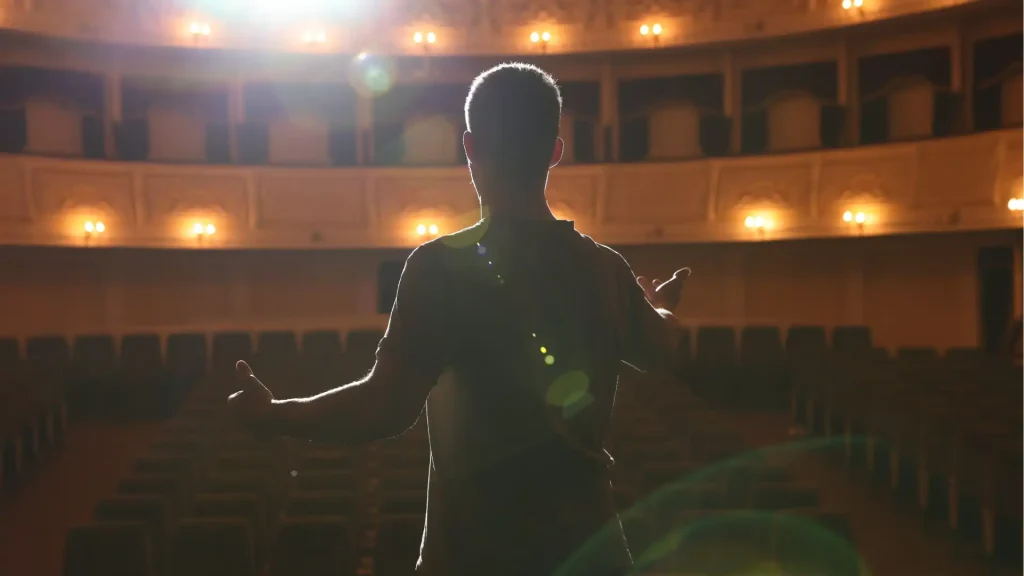
Stage direction is a critical aspect of any performance, guiding actors on where to move, how to interact, and creating a cohesive visual narrative. In the world of theater, film, and television, stage direction plays a significant role in shaping the overall impact of a production. Understanding the nuances of stage direction can elevate a performance and bring characters to life in a dynamic and engaging way.
The Importance of Stage Direction
Stage direction encompasses the instructions given to actors about their movements, positioning on stage, interactions with props, and other physical aspects of a performance. It is the director’s vision translated into actionable cues for the actors to follow. Effective stage direction is essential for conveying the story, establishing relationships between characters, and creating a visually compelling experience for the audience.
Creating Visual Composition
One of the key functions of stage direction is to create visually striking compositions on stage or screen. By positioning actors in specific locations, utilizing levels, and incorporating movement patterns, directors can craft dynamic and engaging scenes that draw the audience’s attention and enhance the storytelling. Visual composition through stage direction helps to convey emotions, highlight key moments, and establish the mood of a scene.
Enhancing Character Dynamics
Stage direction also plays a crucial role in defining the relationships between characters. Through physical proximity, gestures, and blocking, directors can convey the dynamics of interpersonal relationships and power dynamics within a scene. Effective stage direction can add depth to characters, reveal underlying tensions, and create moments of intimacy or conflict that resonate with the audience.
Guiding Audience Focus
In addition to shaping the actors’ movements, stage direction also guides the audience’s focus. By directing attention to specific areas of the stage or screen, directors can draw the audience’s gaze to key moments, important details, or significant interactions. Through strategic use of blocking and staging, directors can control the flow of visual information and ensure that the audience remains engaged and connected to the performance.
Creating Rhythm and Pacing
Stage direction is instrumental in establishing the rhythm and pacing of a performance. By orchestrating the flow of movement and action on stage, directors can build tension, create moments of stillness, and shape the overall tempo of a scene. Effective stage direction can enhance the dramatic arc of a production, leading to impactful climaxes, poignant pauses, and seamless transitions between moments of intensity and calm.
Collaboration and Communication
Successful stage direction requires strong collaboration and communication between directors, actors, designers, and crew members. Directors must effectively convey their vision, provide clear instructions, and work closely with all stakeholders to bring that vision to life. Open communication, mutual respect, and a shared commitment to the creative process are essential for realizing the director’s artistic vision through effective stage direction.
Adapting to Different Mediums
While stage direction is commonly associated with live theater, its principles are also applied in film, television, and other visual mediums. Directors working in film and television use similar techniques to guide actors, frame shots, and create visual narratives that resonate with audiences. Adapting stage direction techniques to different mediums requires an understanding of the unique characteristics and constraints of each medium, as well as the ability to leverage those elements to enhance the storytelling.
Challenges and Solutions in Stage Direction
Directing actors and managing stage movement can present various challenges for directors. From coordinating complex ensemble scenes to integrating technical elements such as lighting and sound, directors must navigate multiple factors to create a cohesive and compelling performance. Effective communication, rehearsal planning, and problem-solving skills are essential for overcoming challenges and ensuring a successful production.
The Role of the Director
The director is the creative visionary behind a production, responsible for overseeing all aspects of the performance, including stage direction. Directors bring scripts to life, interpret characters, and collaborate with actors to deliver authentic and impactful performances. Through their expertise in stage direction, directors shape the visual and emotional landscape of a production, guiding the audience on a transformative journey through storytelling.
Top Jobs in Stage Direction
Stage direction includes a wide range of creative and leadership roles that bring productions to life. These professionals guide performances, visuals, and technical execution to ensure every show or screen project tells a compelling story.
Stage Director
A stage director is responsible for the overall artistic vision of a live performance. They guide actors’ performances, interpret the script, coordinate with designers, and ensure blocking, pacing, and storytelling come together cohesively on stage.
Film Director
Film directors oversee the creative aspects of movie production. They work closely with actors, cinematographers, and editors to translate a script into a visual narrative, managing tone, performances, and camera direction to achieve the desired cinematic impact.
Television Director
Television directors manage the visual storytelling of episodic or live TV productions. They coordinate camera work, pacing, performances, and technical crews to maintain consistency and quality across episodes or broadcasts.
Assistant Director
Assistant directors support the main director by organizing schedules, managing rehearsals, coordinating cast and crew, and keeping productions on track. They ensure the director’s vision is executed efficiently while handling many logistical responsibilities.
Choreographer
Choreographers design and direct movement for stage and screen productions. They work with performers to create dance routines and physical storytelling that enhance emotion, rhythm, and visual appeal within a production.
Casting Director
Casting directors find and select the right actors for each role. They conduct auditions, evaluate talent, and collaborate with directors and producers to assemble a cast that best fits the characters and story.
Artistic Director
Artistic directors oversee the creative direction of a theater company or production organization. They select seasons, guide artistic standards, manage creative teams, and shape the long-term vision of the institution.
Production Stage Manager
Production stage managers coordinate the technical and organizational side of performances. They run rehearsals, call cues during shows, communicate between departments, and ensure performances execute smoothly night after night.
Lighting Director
Lighting directors design and control lighting elements to set mood, focus attention, and support storytelling. They work with directors and designers to enhance scenes through color, intensity, and movement of light.
Set Designer
Set designers create the physical environments of a production. They design scenery, layouts, and visual worlds that support the story’s setting, tone, and functionality while collaborating closely with directors and technical teams.
Conclusion
Stage direction is the foundation that transforms a script into a living, breathing performance. By shaping movement, visual composition, pacing, and character relationships, directors guide audiences through a meaningful storytelling experience across theater, film, and television.
Key Takeaways:
- Stage direction brings scripts to life through movement, positioning, and visual storytelling.
- It guides actors to create clear, engaging, and emotionally effective performances.
- Strong stage direction shapes visual composition and audience focus.
- Blocking and pacing reveal character relationships and dramatic impact.
- Effective direction requires collaboration and clear communication across creative teams.
- Stage direction skills apply across theater, film, and television productions.
For those looking to deepen their understanding of stage direction and pursue a career in the performing arts industry, consider enrolling in the NYU Performing Arts Industry Essentials online course and certificate program offered by Yellowbrick. Unlock your potential and embark on a journey towards mastering the art of stage direction.