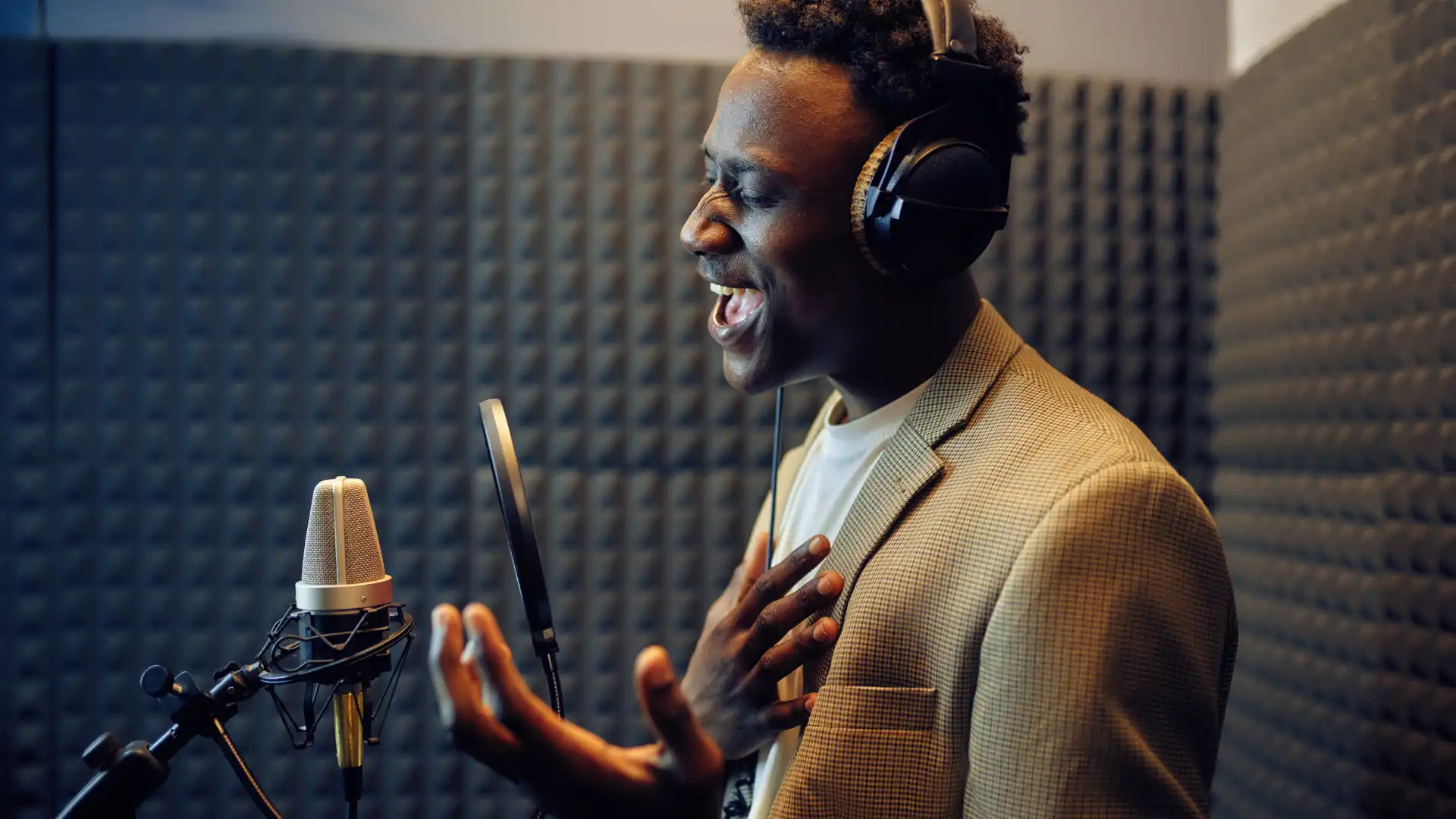
Performance skills are the foundation of excellence in any field that requires communication, expression, and execution under pressure. Whether in acting, public speaking, business presentations, music, sports, or leadership, strong performance skills allow individuals to deliver their message with confidence, clarity, and impact.
More than natural talent, performance is a learned discipline shaped through awareness, practice, and refinement. This article explores what performance skills are, why they matter, and how they can be developed for lasting success.
Understanding Performance Skills
At their core, performance skills combine technical ability with emotional, mental, and physical control. They determine how effectively a person translates preparation into real-world execution. A skilled performer does not simply know what to do; they know how to do it in a way that engages, persuades, and resonates with others.
These skills extend beyond artistic fields. Professionals rely on them when pitching ideas, teachers use them in the classroom, leaders depend on them to inspire teams, and athletes need them to stay composed in competition. Performance skills turn knowledge into influence and action into results.
Core Elements of Performance
One essential element is presence. Presence is the ability to command attention through posture, energy, eye contact, and focus. A performer with strong presence appears grounded and confident, making audiences naturally attentive.
Another key component is communication. This includes vocal clarity, pacing, tone, articulation, and body language. What is said matters, but how it is delivered often determines its effectiveness. A calm, controlled, and expressive delivery helps ideas land with greater impact.
Emotional control is equally important. Performers must manage nervousness, channel excitement, and remain adaptable in unexpected situations. Rather than eliminating fear, skilled performers use it as fuel to sharpen focus and responsiveness.
Authenticity also defines strong performance. Audiences connect most deeply with performers who feel genuine rather than mechanical. Authenticity builds trust and allows expression to feel natural instead of forced.
Finally, technical mastery supports all performance. Preparation, rehearsal, and skill-building ensure that creativity and confidence have a reliable structure to stand on.
The Psychology Behind Performance
Performance is as much mental as it is physical. Mindset shapes outcomes. Confidence grows from preparation, positive self-talk, and familiarity with the environment. Visualization, goal setting, and focus techniques help performers remain calm and purposeful under pressure.
Additionally, adaptability plays a major role. Real performance rarely goes exactly as planned. Those with strong performance skills adjust quickly, maintain composure, and turn challenges into opportunities rather than disruptions.
Developing Strong Performance Skills
Building performance skills requires intentional practice. One effective approach is self-awareness. Understanding strengths, habits, and areas for growth allows performers to improve strategically. Recording practice sessions, seeking feedback, and reflecting on experiences accelerate development.
Consistent rehearsal is another pillar. Repetition builds muscle memory and confidence, allowing performers to focus on expression rather than survival. The more familiar the material, the more freedom exists to perform creatively.
Training the body and voice also matters. Proper breathing, posture, movement control, and vocal exercises strengthen endurance and clarity. A well-prepared instrument produces a more powerful and reliable performance.
Equally important is learning to perform in real conditions. Simulated pressure, live practice, and exposure to audiences develop resilience and sharpen focus. Performance grows strongest when practice mirrors reality.
Performance Skills in Everyday Life
While often associated with stage or sports, performance skills are valuable in daily professional and personal interactions. Interviews, meetings, negotiations, teaching, and leadership all depend on the ability to present oneself effectively. People with strong performance skills communicate ideas persuasively, build rapport faster, and leave lasting impressions.
In modern environments where visibility and communication matter, performance is no longer optional—it is a competitive advantage.
The Impact of Mastering Performance
Mastering performance skills transforms potential into influence. It allows individuals to express ideas clearly, connect emotionally with others, and act confidently under pressure. More than polished delivery, performance is about purposeful presence, emotional intelligence, and disciplined execution.
By developing performance skills, individuals do not just perform better—they think more sharply, communicate more strongly, and lead more effectively. In any field, the ability to perform well is the bridge between preparation and success.
Key Takeaways:
- Performance skills transform preparation into confident, effective execution.
- Strong performance combines technical ability with mental, emotional, and physical control.
- Presence and clear communication determine how impactful a message becomes.
- Emotional control and authenticity build trust and audience connection.
- Mindset and adaptability help performers stay focused under pressure.
- Consistent rehearsal and training strengthen confidence and reliability.
- Performance skills are essential in leadership, presentations, and everyday professional life.
Consider taking the Yellowbrick’s NYU Performing Arts Industry Essentials online course and certificate program to further develop your performance skills and gain valuable industry insights.
This comprehensive program can equip you with the knowledge and practical experience needed to thrive in the dynamic world of performance arts.