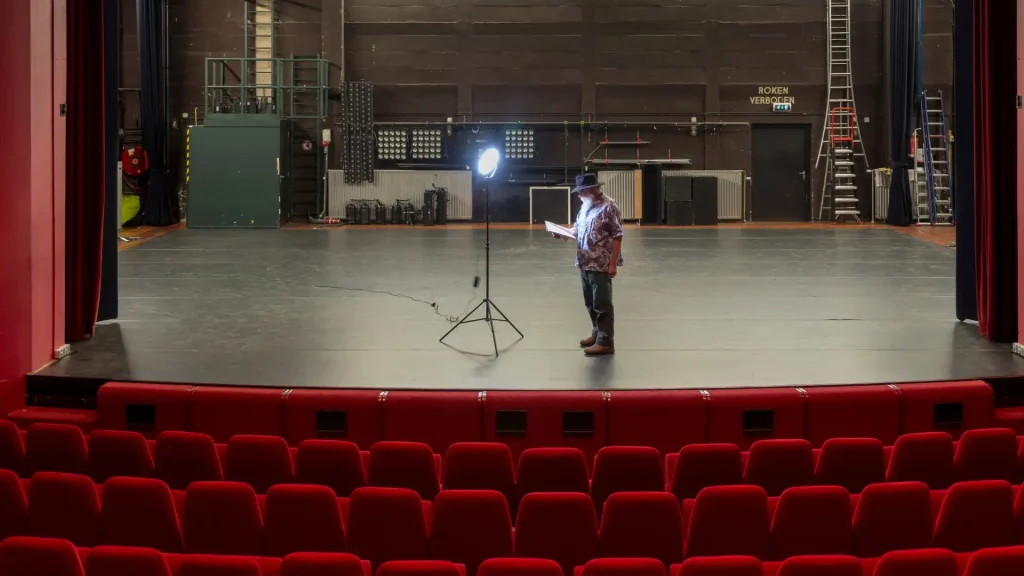
Monologues have long been a staple in the world of acting, serving as powerful tools for performers to showcase their skills, range, and emotional depth. Whether you’re a seasoned actor looking to hone your craft or a beginner eager to explore the art of solo performance, mastering the monologue is a crucial step in your acting journey. In this exploration, we delve into the nuances of monologues, effective techniques for delivering a compelling performance, and the impact of monologues in the realm of theatre and film.
The Heart of a Monologue
At the heart of a monologue lies the opportunity for an actor to embody a character’s thoughts, emotions, and experiences in a captivating solo performance. Unlike dialogues where actors interact with others on stage, monologues offer a unique space for individual expression and storytelling. Through a monologue, actors have the chance to delve deep into a character’s psyche, convey complex emotions, and engage the audience in a personal and profound way.
Crafting a Compelling Monologue
Crafting a compelling monologue requires careful attention to character development, script analysis, and emotional authenticity. Actors must immerse themselves in the world of their character, understand their motivations and desires, and bring life to the words written on the page. From Shakespearean soliloquies to contemporary dramatic monologues, each piece presents a new challenge and an opportunity for actors to showcase their versatility and talent.
The Delivery of a Monologue
The delivery of a monologue is a delicate art that blends vocal expression, physicality, and emotional depth. Actors must master the nuances of pacing, intonation, and gesture to convey the subtext of the text effectively. Through vocal inflections, facial expressions, and body language, actors can create a dynamic and engaging performance that resonates with the audience and leaves a lasting impression.
The Role of Monologues
Monologues play a vital role in auditions, acting showcases, and performances, allowing actors to demonstrate their range and skills to casting directors, agents, and audiences. A well-executed monologue can showcase an actor’s ability to connect with a character, evoke emotions, and command the stage with confidence and presence. Whether it’s a comedic monologue that brings laughter or a dramatic piece that elicits tears, the power of a compelling monologue lies in its ability to captivate and move the audience.
Monologues in Theatre and Film
In the world of theatre and film, monologues are often used to reveal a character’s innermost thoughts, struggles, and transformation. From iconic soliloquies in classic plays to memorable film monologues that have stood the test of time, these solo performances have the power to leave a lasting impact on audiences and resonate across generations. By mastering the art of the monologue, actors can tap into the emotional core of a character, connect with their audience on a profound level, and create moments of theatrical magic that linger long after the performance ends.
Mastering the Art
As actors strive to master the art of the monologue, continuous practice, feedback, and exploration are essential for growth and development. Engaging in monologue workshops, studying diverse scripts, and seeking guidance from experienced acting coaches can help actors refine their skills, expand their repertoire, and push the boundaries of their performance abilities. Embracing the challenges of solo performance, experimenting with different genres and styles, and staying true to the authenticity of the character are key elements in mastering the art of the monologue.
The Impact of a Strong Monologue
In the competitive world of acting, a strong monologue can be a powerful tool that sets actors apart and leaves a lasting impression on industry professionals. Whether you’re preparing for an audition, showcasing your talent in a performance, or seeking to elevate your acting skills, mastering the art of the monologue is a valuable asset that can open doors to exciting opportunities in the world of theatre, film, and television. By honing your craft, delving deep into character exploration, and infusing your performances with passion and authenticity, you can captivate audiences, touch hearts, and leave a lasting impact in the world of acting.
Conclusion
The journey to mastering the art of the monologue is a rewarding and transformative experience that challenges actors to dig deep, explore new horizons, and push the boundaries of their creativity. As you continue to refine your skills, embrace the power of storytelling, and immerse yourself in the world of solo performance, remember that each monologue offers a unique opportunity to connect with your audience, showcase your talent, and leave a lasting impression that resonates long after the curtain falls.
Key Takeaways:
- Monologues are essential tools for showcasing an actor’s range, emotional depth, and storytelling ability.
- They allow performers to explore a character’s inner thoughts and emotions through solo performance.
- Crafting a strong monologue requires deep character analysis, clear motivation, and emotional authenticity.
- Effective delivery blends vocal control, physical expression, pacing, and body language.
- Monologues are vital for auditions, showcases, and performances, helping actors stand out to industry professionals.
- In theatre and film, monologues reveal character transformation and create memorable, impactful moments.
- Continuous practice, feedback, and exploration of different styles improve monologue performance.
- A powerful monologue can open career opportunities and leave a lasting impression on audiences and casting professionals.
By mastering monologues, actors gain confidence, skills, and abilities that can open doors to exciting opportunities in the fields of theatre, film, and television. For further advancement in the performing arts industry, consider enrolling in the NYU Performing Arts Industry Essentials online course and certificate program offered by Yellowbrick.