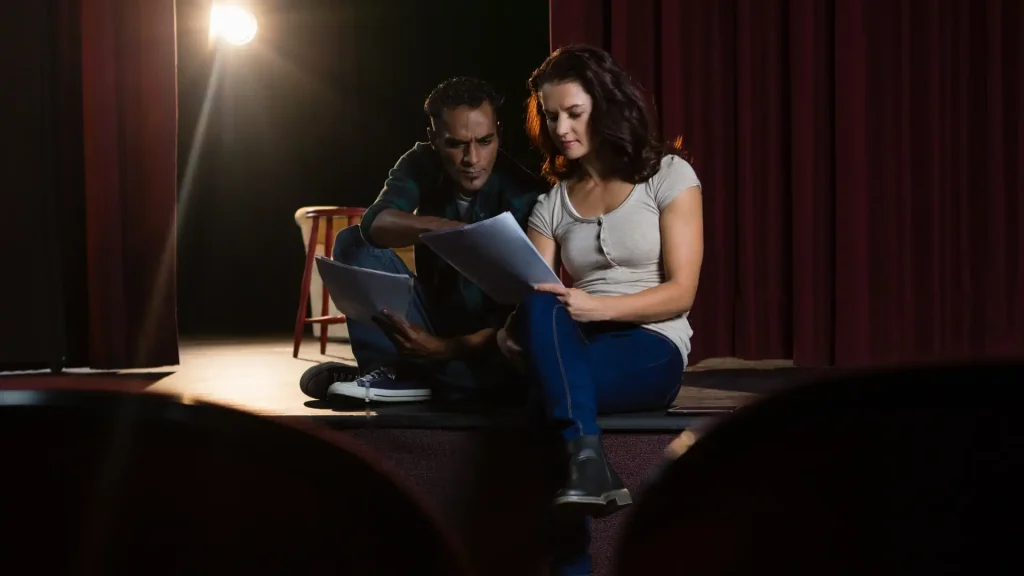
In the competitive world of acting, mastering the craft is essential for success. When it comes to acting for commercials, the stakes are high, and the need for exceptional skills is paramount. Commercials are a unique form of acting that requires a different approach compared to stage or screen performances. In this article, we delve into the nuances of acting for commercials and explore the key skills and techniques that can help actors excel in this specialized field.
Understanding the Product
One of the fundamental aspects of acting for commercials is understanding the product or service being advertised. Before stepping into a commercial audition, actors need to research and familiarize themselves with the brand, its values, and the message the commercial aims to convey. This understanding is crucial for delivering a convincing and authentic performance that resonates with the target audience.
Connecting with the Audience
Commercials are designed to capture the attention of viewers and persuade them to take action. As an actor, the ability to connect with the audience on an emotional level is key to delivering a memorable performance. Whether it’s through humor, empathy, or relatability, actors must tap into their emotional range to evoke the desired response from viewers.
Adapting to Different Styles
Commercials come in various styles, from comedic to dramatic, informational to aspirational. As an actor, versatility is essential when it comes to portraying different characters and scenarios. Practicing different styles of acting and honing the ability to adapt quickly to varying commercial requirements can set actors apart in auditions and on set.
Mastering Non-Verbal Communication
In commercials, every gesture, expression, and movement conveys a message to the audience. Actors must pay attention to their non-verbal communication, including body language, facial expressions, and eye contact, to effectively communicate the intended message of the commercial. Mastering non-verbal cues can enhance the impact of the performance and make a lasting impression on viewers.
Working with Props and Sets
Commercials often involve working with props, sets, and specific environments that help set the scene and enhance the storytelling. Actors must be comfortable interacting with props and navigating different settings to bring the commercial to life authentically. Practice with props and sets can help actors feel more at ease during auditions and filming.
Improvisational Skills
The ability to improvise is a valuable asset for actors in commercials, where unexpected changes or ad-libbed moments may arise. Developing improvisational skills through practice and training can help actors think on their feet, react naturally to surprises, and add spontaneity to their performances. Improvisation can inject energy and authenticity into commercial acting.
Understanding Camera Techniques
Unlike stage acting, commercial acting requires actors to be aware of camera angles, framing, and shot composition. Knowing how to position oneself in relation to the camera, maintain consistent eye lines, and adjust performance for different camera setups is crucial for delivering a polished and professional on-screen performance. Familiarity with camera techniques can help actors shine in commercial auditions and shoots.
Collaborating with Directors and Crew
Acting in commercials involves collaboration with directors, producers, and crew members to bring the creative vision to life. Actors must be open to feedback, direction, and collaboration to ensure a successful outcome. Building strong working relationships with the production team can lead to smoother shoots and more impactful performances.
Maintaining Consistency
Consistency is key in commercial acting, where multiple takes and angles may be required to capture the perfect shot. Actors must deliver consistent performances across different takes, ensuring that their energy, tone, and expressions remain aligned with the director’s vision. Practicing consistency in performance can help actors deliver reliable and high-quality work on set.
Audition Preparation
The audition process is a critical step in landing commercial roles. Actors should prepare by practicing audition scripts, honing their monologues, and refining their on-camera presence. Being well-prepared for auditions can boost confidence, showcase talent effectively, and leave a lasting impression on casting directors. Regular audition practice is essential for success in the competitive world of commercial acting.
Conclusion
Acting for commercials requires a unique set of skills and a keen understanding of the medium’s nuances. By mastering the art of commercial acting and honing their craft through practice and training, actors can position themselves for success in this dynamic and rewarding field.
Key Takeaways:
- Understand the product and brand to deliver an authentic, persuasive performance.
- Connect emotionally with the audience to make the message memorable.
- Adapt quickly to different commercial styles and tones.
- Use strong non-verbal communication to enhance on-screen impact.
- Be camera-aware to adjust performance for framing and angles.
- Collaborate well with directors and crew for a polished result.
- Maintain consistent energy and delivery across multiple takes.
- Prepare thoroughly for auditions to stand out and book roles.
As you strive to enhance your skills and pursue a successful career in acting for commercials, consider taking the NYU Performing Arts Industry Essentials online course and certificate program offered by Yellowbrick. This comprehensive program can provide you with valuable insights, practical knowledge, and industry-relevant training to elevate your commercial acting skills and propel your career to new heights.