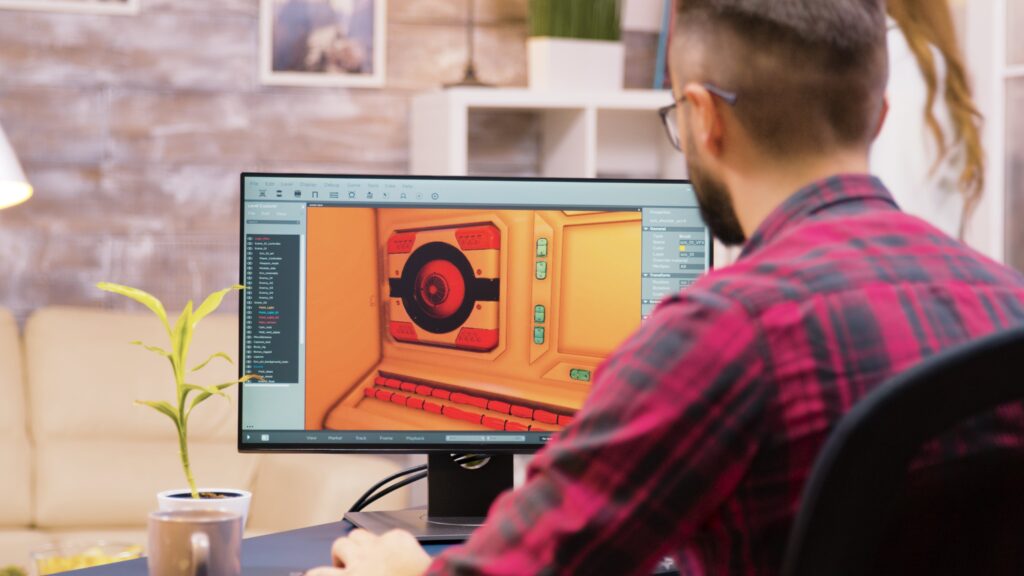
Animation is a captivating art form that has the power to bring characters and stories to life through movement and visual storytelling. For those curious about the intricacies of animation, understanding the fundamentals is essential. In this comprehensive guide, we will delve into the world of animation, answering the question, “What is animation explained?”
Definition of Animation
At its core, animation is the process of creating the illusion of motion and change by rapidly displaying a sequence of static images. These images, known as frames, are played in succession to create the illusion of movement. Animation can be achieved through various techniques, including traditional hand-drawn animation, computer-generated imagery (CGI), stop motion, and more.
History of Animation
The history of animation dates back to the early 20th century, with pioneers like Walt Disney and Winsor McCay making significant contributions to the art form. Over the years, animation has evolved from simple black-and-white sketches to technologically advanced 3D animations seen in today’s blockbuster films and TV shows.
Types of Animation
There are several types of animation, each with its unique style and characteristics. Traditional 2D animation involves drawing each frame by hand, while 3D animation uses computer software to create realistic and dynamic visuals. Stop motion animation involves manipulating physical objects frame by frame to create movement, and motion graphics combine animation with graphic design elements.
Key Principles of Animation
Understanding the principles of animation is crucial for creating realistic and engaging movement. Concepts such as squash and stretch, timing, anticipation, and follow-through help animators bring characters to life and convey emotions effectively. Mastery of these principles is essential for producing high-quality animations.
Tools and Software
In the digital age, animators rely on a variety of tools and software to create animations efficiently. Popular animation software like Adobe Animate, Toon Boom Harmony, and Autodesk Maya offer powerful features for animators to bring their ideas to fruition. Understanding how to use these tools effectively is essential for aspiring animators.
Career Opportunities in Animation
The field of animation offers a wide range of career opportunities for talented individuals. Animators can work in various industries, including film, television, advertising, gaming, and web design. Roles such as character animator, storyboard artist, 3D modeler, and motion graphics designer are just a few of the career paths available to animation enthusiasts.
Skills Required for Animation
To succeed in the field of animation, individuals need a combination of technical skills and creativity. Strong drawing abilities, a keen eye for detail, and proficiency in animation software are essential for creating compelling animations. Collaboration, communication, and problem-solving skills are also valuable traits for animators working in a team environment.
Challenges in Animation
While animation can be a rewarding and fulfilling career, it also comes with its challenges. Tight deadlines, client revisions, and technical issues can test the patience and resilience of animators. Adaptability and a willingness to continuously learn and improve are essential for overcoming these challenges in the industry.
Impact of Animation
Animation has a profound impact on society and culture, influencing entertainment, advertising, education, and more. Animated films and series have the power to evoke emotions, convey complex themes, and inspire audiences of all ages. The versatility of animation as a storytelling medium makes it a powerful tool for creative expression.
Future Trends in Animation
As technology continues to advance, the future of animation looks promising. Virtual reality (VR), augmented reality (AR), and interactive storytelling are shaping the landscape of animation, offering new opportunities for animators to explore innovative techniques and push the boundaries of visual storytelling.
Conclusion
Understanding the nuances of animation is a journey that requires dedication, creativity, and a passion for storytelling. By immersing oneself in the world of animation, aspiring animators can unlock a realm of endless possibilities and contribute to the rich tapestry of this dynamic art form.
Key Takeaways:
- Animation creates the illusion of movement by displaying sequential images (frames).
- Major types include 2D, 3D, stop motion, and motion graphics.
- Core principles—like squash and stretch, timing, and anticipation—are crucial for believable animation.
- Modern animation relies heavily on digital tools such as Adobe Animate, Toon Boom Harmony, and Maya.
- Animation offers diverse career paths across film, TV, gaming, and advertising.
- Strong artistic skills, creativity, and software proficiency are key to success in animation.
Animation is a dynamic art form with a rich history and diverse career opportunities. Mastering key principles, utilizing the right tools, and honing essential skills are crucial for success in the field. To enhance your animation expertise and advance your career, consider enrolling in Yellowbrick’s NYU Animation Industry Essentials online course and certificate program.