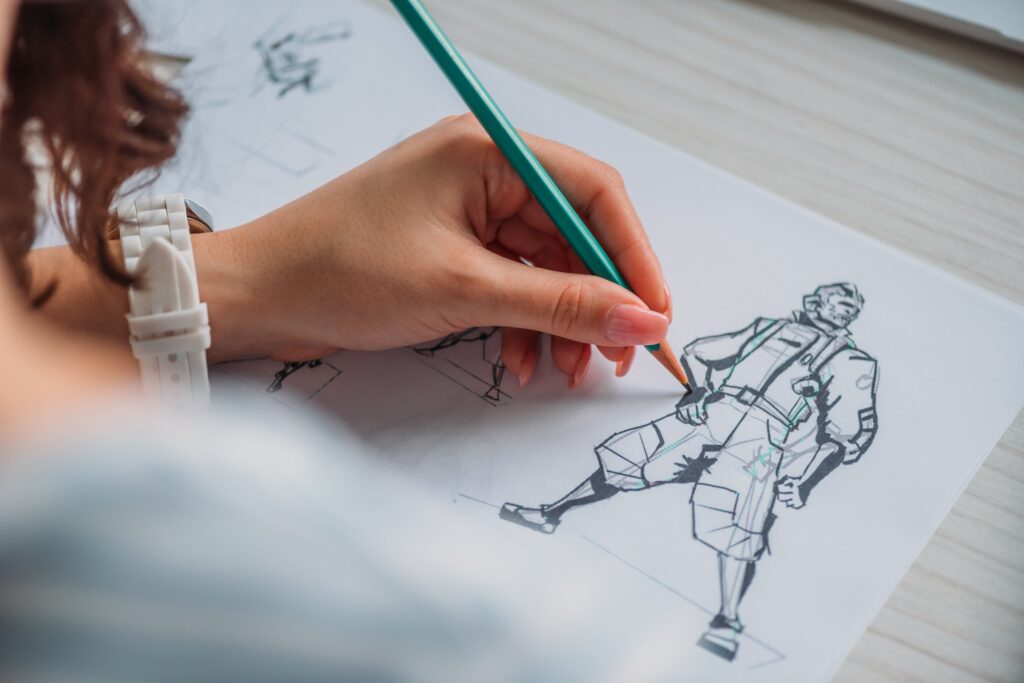
Character designers are the creative minds behind the captivating characters we see in animations, video games, films, and other forms of media. They play a crucial role in bringing characters to life, shaping their appearance, personality, and overall aesthetic. If you have a passion for art and storytelling, pursuing a career as a character designer could be an exciting and fulfilling path for you.
To excel in this competitive field, aspiring character designers need a combination of artistic talent, technical skills, and a deep understanding of storytelling. In this comprehensive guide, we will explore the essential skills, education, and career opportunities for character designers.
1. Mastering Artistic Skills
At the core of character design lies a strong foundation in traditional art skills. Character designers must have a keen eye for detail, a solid understanding of anatomy, and the ability to convey emotions and personalities through their artwork. Developing your drawing and illustration skills is crucial for creating compelling and visually appealing characters.
Experimenting with different art styles, mediums, and techniques can help you find your unique artistic voice as a character designer. Practice sketching, painting, and digital art to hone your craft and expand your creative repertoire. Building a diverse portfolio showcasing your range and versatility will be essential for attracting potential clients or employers.
2. Understanding Character Development
Character designers are not just artists; they are storytellers who breathe life into characters through visual storytelling. To create memorable and engaging characters, you must understand the fundamentals of character development. This involves delving into the psychology of characters, their motivations, backgrounds, and relationships within the narrative.
Developing well-rounded characters requires empathy, imagination, and a deep understanding of human emotions and behaviors. Consider the character’s backstory, personality traits, and how they interact with other characters in the story. Crafting characters with depth and complexity will resonate with audiences and make them more relatable and compelling.
3. Embracing Technology
In today’s digital age, technology plays a significant role in character design. Character designers often use software such as Adobe Photoshop, Illustrator, and 3D modeling programs to bring their creations to life. Familiarizing yourself with digital tools and techniques can enhance your workflow, streamline the design process, and open up new possibilities for creative expression.
Additionally, staying updated on industry trends and emerging technologies in animation and gaming can give you a competitive edge as a character designer. Networking with other professionals in the field, attending industry events, and seeking out mentorship opportunities can also help you stay current and connected in the ever-evolving world of character design.
4. Pursuing Education and Training
While formal education is not always a requirement for becoming a character designer, pursuing a degree or certificate in animation, illustration, or graphic design can provide valuable training and networking opportunities. Institutions like New York University (NYU) offer programs in animation and design that can help aspiring character designers refine their skills and build a strong portfolio.
In addition to traditional educational paths, online platforms like Yellowbrick offer specialized courses and workshops in character design, animation, and digital art. These online resources can provide practical skills, industry insights, and mentorship from experienced professionals, making them a valuable supplement to your creative education.
5. Exploring Career Opportunities
Character designers can find employment in a variety of industries, including animation studios, video game companies, advertising agencies, and film production companies.
Some character designers work as freelancers, taking on projects for clients or collaborating with creative teams on a contract basis. Here are some examples of the career opportunities that you can take advantage of:
- Character Designer for Animation Studios: Create unique and memorable characters for animated TV shows, films, and web series.
- Concept Artist for Video Game Companies: Design characters, environments, and props that set the tone and style for video games.
- Character Modeler for 3D Animation: Translate 2D character concepts into fully-realized 3D models for animation and visual effects.
- Storyboard Artist for Film and TV: Develop storyboards that outline character actions, movements, and key scenes in movies and TV shows.
- Character Illustrator for Children’s Books: Bring stories to life by creating charming and engaging characters for children’s literature.
- Graphic Designer for Marketing and Advertising: Design characters and mascots used in branding, advertisements, and promotional campaigns.
- Visual Development Artist for Feature Films: Contribute to the visual style of a film by designing characters, costumes, and other visual elements.
- Toy Designer for Toy Companies: Design characters that are transformed into toys, action figures, and other merchandise.
- Character Designer for Mobile Games: Create characters that enhance the user experience in mobile gaming apps.
- Comic Book Artist for Publishing: Illustrate characters and scenes for comic books and graphic novels, bringing stories to life on the page.
Each of these roles offers unique opportunities for character designers to showcase their talents, collaborate with other creatives, and contribute to exciting projects across various media platforms. Whether you dream of creating iconic characters for blockbuster films or designing charming illustrations for children’s books, there is a diverse range of career paths to explore as a character designer.
Conclusion
In the fast-paced and competitive world of character design, staying inspired, adaptable, and committed to honing your craft is key to long-term success. By continuously learning, experimenting, and pushing the boundaries of your creativity, you can carve out a rewarding career as a character designer and make a lasting impact in the dynamic realm of visual storytelling.
Key Takeaways:
- Mastering artistic skills is essential for character designers, including a keen eye for detail and the ability to convey emotions through artwork.
- Understanding character development involves delving into character psychology, motivations, and relationships within the narrative.
- Embracing technology such as Adobe software and 3D modeling programs can enhance the design process for character designers.
- Pursuing education and training in animation, illustration, or graphic design can provide valuable skills and networking opportunities.
- Exploring diverse career opportunities in animation studios, video game companies, and other industries can lead to a fulfilling career as a character designer.
Consider taking the Yellowbrick online course, NYU Animation Industry Essentials, to further enhance your skills and knowledge in character design. This comprehensive program can provide valuable insights and practical training to help you succeed in the dynamic field of visual storytelling.