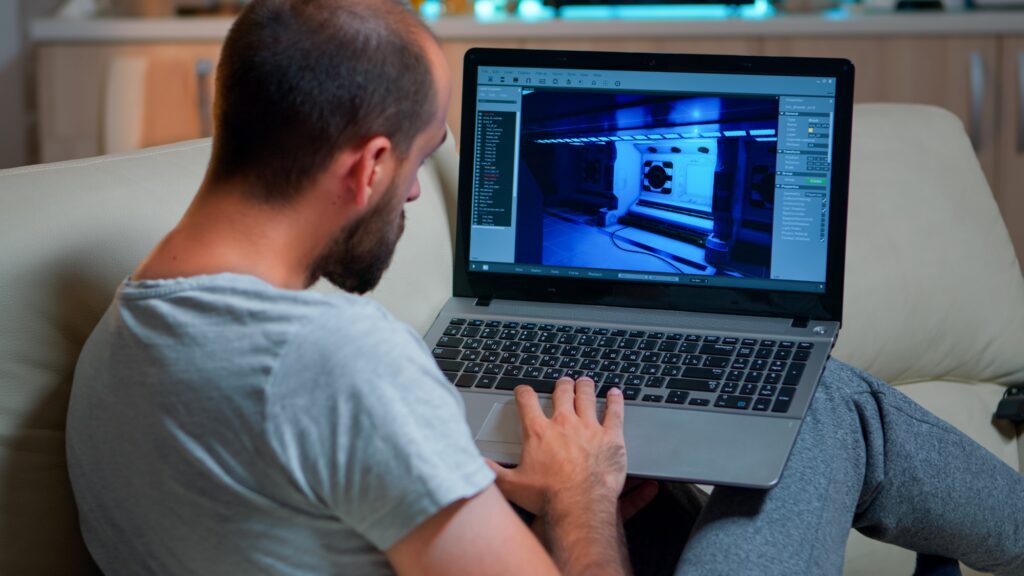
Learning animation is an exciting journey that opens doors to a world of creativity and innovation. Aspiring animators often wonder, “How much does it cost to learn animation?” Let’s delve into the various factors that contribute to the cost of pursuing an education in animation.
Tuition Fees
One of the primary costs associated with learning animation is tuition fees. The cost of tuition can vary significantly depending on the type of institution you choose to attend. Traditional four-year universities typically have higher tuition fees compared to specialized art schools or community colleges. The prestige and reputation of the institution can also impact the cost of tuition.
Art Supplies and Equipment
Another essential aspect to consider when calculating the cost of learning animation is the investment in art supplies and equipment. As an animator, you will need access to tools such as drawing tablets, animation software, sketchbooks, pencils, and other materials to bring your creations to life. These expenses can add up, especially for high-quality equipment and software.
Books and Learning Resources
Building a solid foundation in animation requires studying various techniques, principles, and styles. Investing in textbooks, online courses, workshops, and other learning resources is crucial to enhancing your skills and knowledge in the field. While there are free resources available, some specialized materials may come at an additional cost.
Workshops and Masterclasses
Attending workshops and masterclasses led by industry professionals can provide valuable insights and hands-on experience in animation. These events often come with a price tag, but the knowledge and networking opportunities they offer can be invaluable for aspiring animators looking to advance their careers.
Portfolio Development
Building a strong portfolio is essential for showcasing your skills and attracting potential clients or employers in the animation industry. The cost of creating and maintaining a professional portfolio, including printing costs, website hosting fees, and marketing materials, should be factored into your overall budget for learning animation.
Networking and Industry Events
Networking is a vital aspect of the animation industry, allowing you to connect with fellow animators, industry professionals, and potential collaborators. Attending industry events, conferences, and networking mixers may involve registration fees and travel expenses, but the connections you make can lead to valuable opportunities in the field.
Internships and Professional Development
Gaining hands-on experience through internships and professional development opportunities is crucial for honing your skills and building a successful career in animation. While some internships may be unpaid, others offer stipends or compensation. Investing in your professional development through workshops, certifications, and memberships in industry organizations can also incur costs.
Cost of Living
For students pursuing animation education away from home, the cost of living in a new city or country should be taken into account. Expenses such as rent, utilities, transportation, and groceries can significantly impact the overall cost of learning animation. Scholarships, grants, and financial aid options can help alleviate some of these financial burdens.
Specialized Training Programs
Some animation programs offer specialized training in niche areas such as 3D modeling, character design, visual effects, or game development. These programs may come with additional fees or higher tuition costs due to the specialized nature of the training and the expertise of the instructors.
Continuing Education and Skill Enhancement
The field of animation is constantly evolving, with new technologies and trends shaping the industry. Continuing education through advanced courses, workshops, and certifications is essential for staying competitive and up-to-date with the latest developments in animation. Budgeting for ongoing skill enhancement is an important aspect of the long-term cost of learning animation.
Conclusion
The cost of learning animation can vary depending on a multitude of factors, including tuition fees, art supplies, books, workshops, portfolio development, networking events, internships, cost of living, specialized training programs, and continuing education. By carefully budgeting and planning for these expenses, aspiring animators can embark on a rewarding educational journey that prepares them for a successful career in the dynamic field of animation.
Key Takeaways:
- The cost of learning animation varies widely depending on the school, program type, and level of specialization.
- Tuition fees are often the biggest expense, especially at universities and prestigious art schools.
- Essential tools—like drawing tablets, software, and art materials—add significantly to overall costs.
- Learning resources such as books, online courses, and workshops can further impact your budget.
- Portfolio development (printing, website hosting, and presentation materials) is a necessary investment for career readiness.
- Networking events, conferences, and industry mixers may require fees but provide valuable career opportunities.
- Internships and ongoing professional development can involve extra expenses, but they are crucial for gaining real-world experience.
- Cost of living is an important factor for students studying away from home and can greatly affect total educational costs.
- Specialized animation training (e.g., VFX, 3D modeling, game development) may come with higher fees.
- Continuous learning is essential in a fast-evolving industry and should be included in long-term budgeting.
Understanding the costs of learning animation involves considering tuition fees, art supplies, books, workshops, portfolio development, networking events, internships, cost of living, specialized training programs, and continuing education. To enhance your animation skills and advance your career, consider enrolling in Yellowbrick’s NYU Animation Industry Essentials online course and certificate program.