Voice over artists play a crucial role in bringing characters to life, captivating audiences with their vocal talents across various mediums such as animation, commercials, audiobooks, video games, and more. If you aspire to pursue a career in voice acting and excel as a voice over artist, acquiring the necessary training and honing your skills is essential for success in this competitive industry.
The Fundamentals of Voice Over Artist Training
Creative directors play a pivotal role in shaping the vision, strategy, and execution of creative projects. Beyond overseeing design work, they lead teams, align creative efforts with business goals, and foster innovation that strengthens brand identity. Understanding the key responsibilities of a creative director provides valuable insight into the skills and expertise needed to excel in this dynamic leadership role.
- Understanding Your Voice: The first step in voice over artist training is to develop a deep understanding of your voice. Explore the range, tone, pitch, and nuances of your voice to identify your strengths and areas for improvement. Voice analysis can help you discover your vocal style and potential niche in the industry.
- Vocal Techniques: Voice over training often includes vocal exercises and techniques to enhance your vocal performance. Practice breathing exercises, vocal warm-ups, articulation drills, and voice modulation to improve clarity, diction, and expressiveness in your delivery. Developing control over your voice is essential for versatility in voice acting roles.
- Character Development: Voice over artists are storytellers who breathe life into characters through their voices. Training in character development involves understanding character motivations, emotions, and traits to deliver authentic and compelling performances. Experiment with different character voices and accents to expand your repertoire.
- Script Interpretation: Effective script interpretation is a vital skill for voice over artists. Training in script analysis helps you understand the context, tone, and emotions conveyed in the script, allowing you to deliver a nuanced and engaging performance. Practice cold reading and sight-reading to improve your ability to interpret scripts on the spot.
- Mic Technique: Mastering microphone technique is essential for recording high-quality voice over performances. Training in mic technique involves understanding proper distance, angle, and voice projection to achieve optimal sound quality and clarity. Experiment with microphone settings and recording environments to enhance your recording skills.
- Industry Knowledge: Voice over artist training should include learning about the voice acting industry, including industry standards, trends, and best practices. Stay informed about different voice over genres, client expectations, audition processes, and voice over rates to navigate the industry effectively and advance your career.
- Emotional Connection: Voice acting requires the ability to convey emotions authentically through your voice. Training in emotional connection involves tapping into your own emotions and experiences to deliver genuine performances that resonate with listeners. Practice emotional range and vulnerability in your voice acting to create impactful performances.
- Networking and Marketing: Building a successful voice over career involves networking and marketing yourself effectively. Training in networking strategies, creating a professional voice over demo reel, and leveraging online platforms to showcase your work are essential skills for attracting clients and opportunities in the industry.
- Feedback and Improvement: Seeking feedback from voice over coaches, peers, and industry professionals is crucial for continuous improvement. Constructive feedback helps you identify areas for growth, refine your skills, and enhance your voice over performances. Embrace feedback as a valuable tool for honing your craft.
- Continued Learning: Voice over artist training is an ongoing journey of learning and growth. Stay curious, explore new techniques, and seek opportunities for professional development to stay competitive in the ever-evolving voice acting industry. Continuous learning and self-improvement are key to sustaining a successful voice over career.
Conclusion
Embark on your voice over artist training journey, immerse yourself in the world of voice acting, and cultivate your skills to become a versatile and compelling voice over artist in the entertainment industry.
Key Takeaways:
- Develop strong vocal skills through consistent training and practice.
- Learn character development, script interpretation, and emotional delivery.
- Master microphone techniques for professional-quality recordings.
- Build industry knowledge and market yourself with a strong demo reel.
- Embrace feedback and continuous learning to grow as a voice over artist.
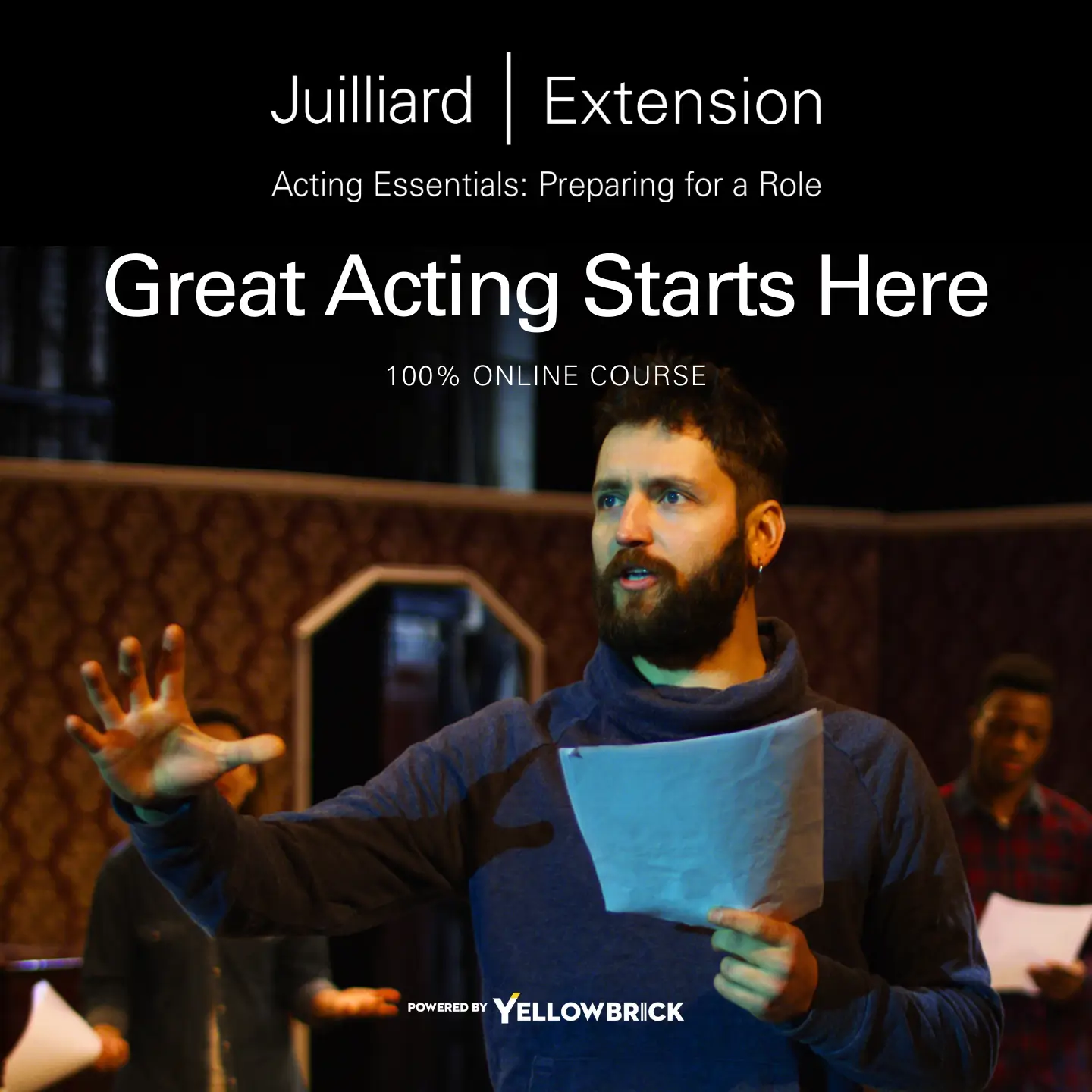
Elevate your voice over artist training with the Juilliard Acting Essentials: Preparing for a Role online course and certificate program by Yellowbrick to enhance your skills and excel in the competitive world of voice acting.