The career of an acting coach is one that requires a unique blend of talent, skill, and passion for the craft of acting. Acting coaches play a pivotal role in helping actors hone their craft, develop their skills, and excel in their performances. In this blog post, we will explore the various aspects of an acting coach career, from the responsibilities and skills required to the potential career paths and opportunities in the industry.
Exploring the Acting Coach Career
An acting coach is a professional who works closely with actors to enhance their performances and help them bring out the best in their acting abilities. Acting coaches provide guidance, feedback, and support to actors at various stages of their careers, from beginners looking to improve their skills to seasoned professionals seeking to refine their craft.
Responsibilities of an Acting Coach
Successful acting coaches take on a variety of responsibilities to help actors strengthen their craft and deliver authentic performances. From evaluating performances to refining acting techniques and preparing for auditions, these responsibilities play an essential role in an actor’s artistic and professional development.
- Performance Evaluation: One of the primary responsibilities of an acting coach is to assess an actor’s performances and provide constructive feedback on areas that need improvement.
- Scene Study: Acting coaches often work with actors on scene study, helping them understand the nuances of a script, develop their characters, and deliver authentic performances.
- Character Development: Guiding actors in developing their characters, exploring motivations, emotions, and relationships within a role is a crucial aspect of an acting coach’s role.
- Audition Preparation: Acting coaches assist actors in preparing for auditions, helping them select and prepare audition materials, refine their monologues, and build confidence in their performances.
- Technique Enhancement: Acting coaches focus on enhancing an actor’s technique, including voice projection, movement, emotional range, and other aspects that contribute to a compelling performance.
Skills Required for a Successful Acting Coach
Successful acting coaches combine strong communication skills with creativity, adaptability, and a deep understanding of the performing arts. Developing these essential qualities enables coaches to provide effective guidance, inspire confidence, and help actors reach their full potential on stage and on screen.
- Strong Communication: Effective communication skills are essential for an acting coach to convey feedback, instructions, and insights to actors in a clear and constructive manner.
- Empathy and Patience: Acting coaches must have empathy and patience to understand the challenges actors face and provide the support and guidance needed to overcome them.
- Creativity: A creative approach to character development, scene analysis, and performance enhancement is vital for an acting coach to help actors explore their full potential.
- Adaptability: Acting coaches should be adaptable and able to tailor their coaching style to meet the individual needs and learning styles of each actor they work with.
- Industry Knowledge: Staying informed about industry trends, acting techniques, and the evolving landscape of film, television, and theater is important for an acting coach to provide relevant and up-to-date coaching.
Advancing Your Acting Coach Career
Advancing your career as an acting coach requires ongoing learning, practical experience, and strong professional relationships. By expanding your expertise, building a solid reputation, and staying active within the entertainment industry, you can create new opportunities and grow as a trusted mentor for aspiring and professional actors.
- Continuing Education: Pursuing professional development opportunities such as workshops, seminars, and masterclasses can help acting coaches stay current in their field and expand their knowledge and skills.
- Networking: Building a strong network within the entertainment industry, including actors, directors, casting agents, and other industry professionals, can create opportunities for collaboration and career advancement.
- Mentorship: Seeking mentorship from experienced acting coaches or industry veterans can provide valuable guidance, insights, and support for those looking to grow in their acting coach career.
- Portfolio Development: Creating a portfolio showcasing successful coaching experiences, testimonials from actors, and examples of improved performances can help demonstrate the effectiveness and impact of an acting coach’s work.
- Industry Involvement: Getting involved in industry events, acting competitions, showcases, and community theater productions can provide exposure, networking opportunities, and practical experience for acting coaches looking to expand their reach and impact in the industry.
Conclusion
An acting coach career offers a rewarding opportunity to guide performers and help them reach their full potential. With strong communication, creativity, empathy, industry knowledge, and a commitment to continuous learning, acting coaches can build successful careers while making a meaningful impact on actors’ development.
Key Takeaways:
- Effective communication, empathy, creativity, adaptability, and industry knowledge are essential skills for a successful acting coach.
- Continuing education, networking, mentorship, portfolio development, and industry involvement are key for advancing your acting coach career.
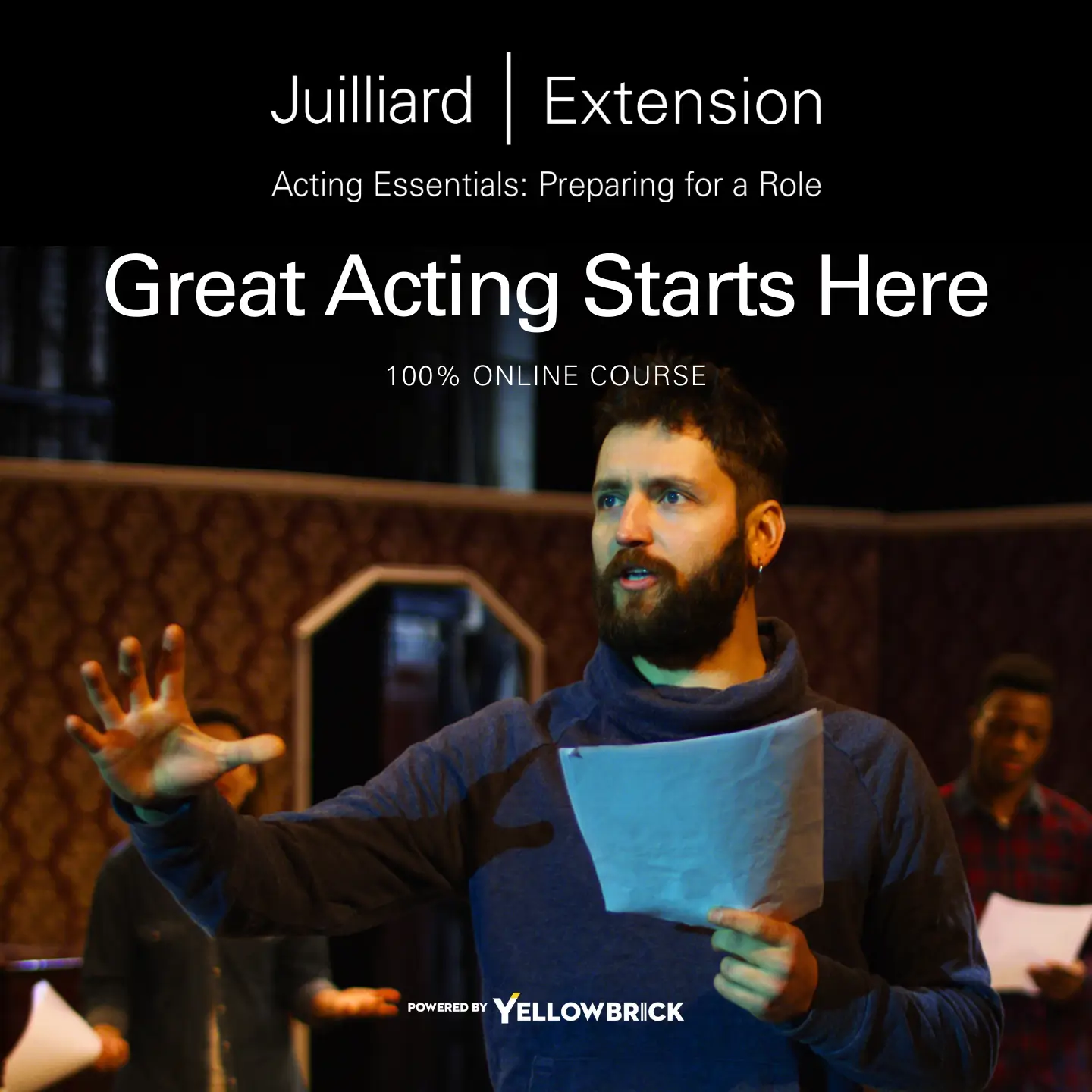
Consider enhancing your skills with the Juilliard Acting Essentials: Preparing for a Role online course and certificate program by Yellowbrick for further career growth.