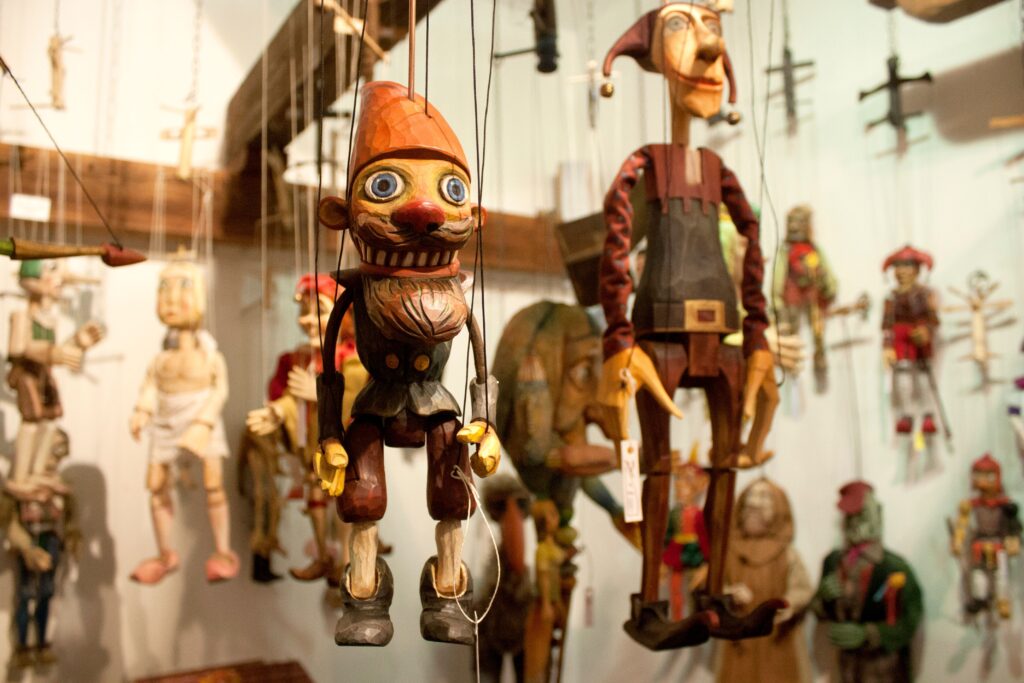
Puppetry is an ancient art form that continues to captivate audiences with its enchanting performances. Puppeteers bring life to inanimate objects, telling stories and conveying emotions through their craft. For those looking to pursue a career in puppetry, proper training is essential to master the skills required for this unique and creative profession.
Importance of Puppeteer Training
Successful puppeteers rely on a combination of artistic talent, technical expertise, and performance skills to create engaging and memorable shows. Proper training provides the knowledge and hands-on experience needed to master puppet manipulation, develop unique characters, and connect with audiences. The following highlights the key reasons why puppeteer training is essential for building a successful career in the art of puppetry.
- Developing Puppet Manipulation Skills: Puppeteer training focuses on honing the manipulation skills needed to bring puppets to life. This includes mastering the movement, gestures, and expressions of different types of puppets to create compelling performances.
- Voice and Character Development: Puppeteers learn to give voice to their characters, creating distinct personalities and voices that engage audiences. Training helps puppeteers develop the vocal techniques necessary to convey emotions and deliver dialogue effectively.
- Storytelling Techniques: Effective puppeteers are skilled storytellers who can engage and entertain audiences through compelling narratives. Training in puppetry includes learning storytelling techniques that enhance the impact and coherence of puppet performances.
- Stage Presence and Performance Skills: Puppeteer training emphasizes stage presence and performance skills to captivate audiences and hold their attention throughout a show. Puppeteers learn how to engage with the audience, maintain focus, and deliver dynamic performances.
- Improvisation and Adaptability: Puppeteers must be quick-thinking and adaptable, able to respond to unexpected situations during live performances. Training in improvisation helps puppeteers navigate unforeseen challenges and maintain the flow of their shows.
- Technical Proficiency: Puppeteer training covers the technical aspects of puppetry, including puppet construction, rigging, and maintenance. Understanding the mechanics of puppets is essential for puppeteers to operate their puppets effectively and troubleshoot any issues that may arise.
- Collaboration and Teamwork: Puppeteers often work as part of a team, collaborating with other performers, puppet builders, and technicians to create seamless and engaging productions. Training in puppetry emphasizes the importance of communication, teamwork, and coordination in a collaborative environment.
- Audience Engagement: Training helps puppeteers develop strategies for engaging and connecting with their audiences, creating memorable experiences that resonate with viewers long after the performance ends. Audience interaction is an integral part of puppetry that enhances the overall impact of a show.
- Creative Expression: Puppeteer training encourages creative expression and experimentation, allowing puppeteers to explore different styles, techniques, and approaches to puppetry. Training provides a foundation for puppeteers to develop their unique artistic voice and vision.
- Professional Development: Ongoing professional development is crucial for puppeteers to stay current with industry trends, expand their skills, and explore new opportunities in the field of puppetry. Training programs and workshops offer puppeteers the chance to refine their craft and grow as artists.
Conclusion
Puppeteer training is a transformative journey that equips aspiring puppeteers with the skills, knowledge, and confidence to pursue a successful career in puppetry. Whether performing in theaters, schools, museums, or on screen, puppeteers play a vital role in bringing imagination and wonder to audiences of all ages.
Key Takeaways:
- Puppeteer training is essential for developing puppet manipulation skills, voice and character development, storytelling techniques, stage presence, and performance skills.
- Improvisation, technical proficiency, collaboration, audience engagement, creative expression, and ongoing professional development are crucial aspects of puppeteer training.
Consider enhancing your puppetry skills and advancing your career by exploring the Juilliard Acting Essentials: Preparing for a Role online course and certificate program offered by Yellowbrick.