A talent coordinator plays a vital role in the entertainment industry, connecting talent with opportunities and facilitating smooth operations for productions, events, and projects. The career of a talent coordinator is dynamic, requiring a blend of organizational skills, industry knowledge, and interpersonal abilities to thrive in this competitive field. In this comprehensive guide, we will delve into the responsibilities, skills, challenges, and growth opportunities that come with pursuing a talent coordinator career.
Understanding the Role of a Talent Coordinator
A talent coordinator serves as a liaison between talent, agents, managers, casting directors, and production teams. Their primary responsibility is to coordinate talent for various projects, ensuring that the right individuals are selected based on the project’s requirements and specifications. Talent coordinators play a crucial role in talent acquisition, scheduling, contract negotiations, and overall project management.
Key Responsibilities of a Talent Coordinator
The responsibilities of a talent coordinator encompass a wide range of tasks, including identifying suitable talent for specific roles, coordinating auditions and callbacks, negotiating contracts and agreements, managing talent schedules, and maintaining relationships with talent agencies and industry professionals. Additionally, talent coordinators may be involved in budgeting, logistics planning, and ensuring compliance with industry regulations.
Skills and Qualities Required
To excel as a talent coordinator, individuals need a diverse skill set that combines strong organizational skills, excellent communication abilities, attention to detail, negotiation prowess, and a deep understanding of the entertainment industry. Adaptability, problem-solving skills, and the ability to work under pressure are also essential traits for navigating the fast-paced and ever-evolving landscape of talent coordination.
Challenges Faced by Talent Coordinators
Talent coordination comes with its set of challenges, including tight deadlines, last-minute changes, managing conflicting schedules, and balancing the needs of multiple stakeholders. Navigating these challenges requires resilience, flexibility, and the ability to think on your feet to ensure the successful execution of projects and events.
Career Growth and Advancement Opportunities
As talent coordinators gain experience and establish a strong network within the industry, they may have the opportunity to advance to higher positions such as talent manager, casting director, or talent agent. Continuous learning, staying updated on industry trends, and building relationships with key players in the industry can open doors to new opportunities for career growth and advancement.
Industry Insights and Trends
Keeping abreast of industry insights and trends is crucial for talent coordinators to remain competitive and relevant in the ever-evolving entertainment landscape. Understanding emerging talent, industry shifts, and technological advancements can give talent coordinators a competitive edge in connecting talent with the right opportunities and staying ahead of the curve.
Networking and Building Relationships
Networking plays a significant role in the success of a talent coordinator. Building strong relationships with talent agencies, casting directors, producers, and industry professionals can lead to new opportunities, collaborations, and referrals. Attending industry events, conferences, and workshops can help talent coordinators expand their network and stay connected with key players in the industry.
Creating a Stellar Portfolio
A well-curated portfolio showcasing successful projects, testimonials from clients and talent, and a diverse range of talent coordinated can enhance a talent coordinator’s credibility and attract new opportunities. A strong portfolio demonstrates expertise, professionalism, and the ability to deliver results, making it a valuable tool for showcasing capabilities to potential clients and collaborators.
Diversity and Inclusion in Talent Coordination
Embracing diversity and inclusion is essential in talent coordination, ensuring equitable opportunities for talent from all backgrounds and demographics. Talent coordinators play a pivotal role in promoting diversity in casting, advocating for representation, and creating inclusive spaces within the entertainment industry. Prioritizing diversity and inclusion can lead to more authentic and impactful storytelling and foster a more inclusive industry culture.
Professional Development and Training
Continuous professional development and training are essential for talent coordinators to stay competitive and enhance their skills. Workshops, seminars, online courses, and industry certifications can provide valuable insights, tools, and strategies for talent coordination. Platforms like Yellowbrick offer specialized courses in entertainment industry careers, providing valuable knowledge and resources for aspiring talent coordinators looking to advance their careers.
Conclusion
A career as a talent coordinator offers an exciting opportunity to work at the heart of the entertainment industry, connecting talented individuals with meaningful opportunities. Success in this role requires strong organizational skills, effective communication, adaptability, and a commitment to continuous learning.
By building a robust professional network, embracing diversity and inclusion, and staying informed about industry trends, aspiring talent coordinators can establish rewarding careers and unlock numerous pathways for growth and advancement in this dynamic field.
Key Takeaways:
- Talent coordinators connect talent with opportunities and coordinate communication between talent and production teams.
- Success in this role depends on strong organizational, communication, negotiation, and problem-solving skills.
- Managing schedules, contracts, auditions, and last-minute changes is a core part of the job.
- Building a strong professional network is essential for securing opportunities and advancing in the industry.
- Staying current with industry trends and pursuing ongoing professional development support long-term career growth.
- Career advancement opportunities include roles such as talent manager, casting director, and talent agent.
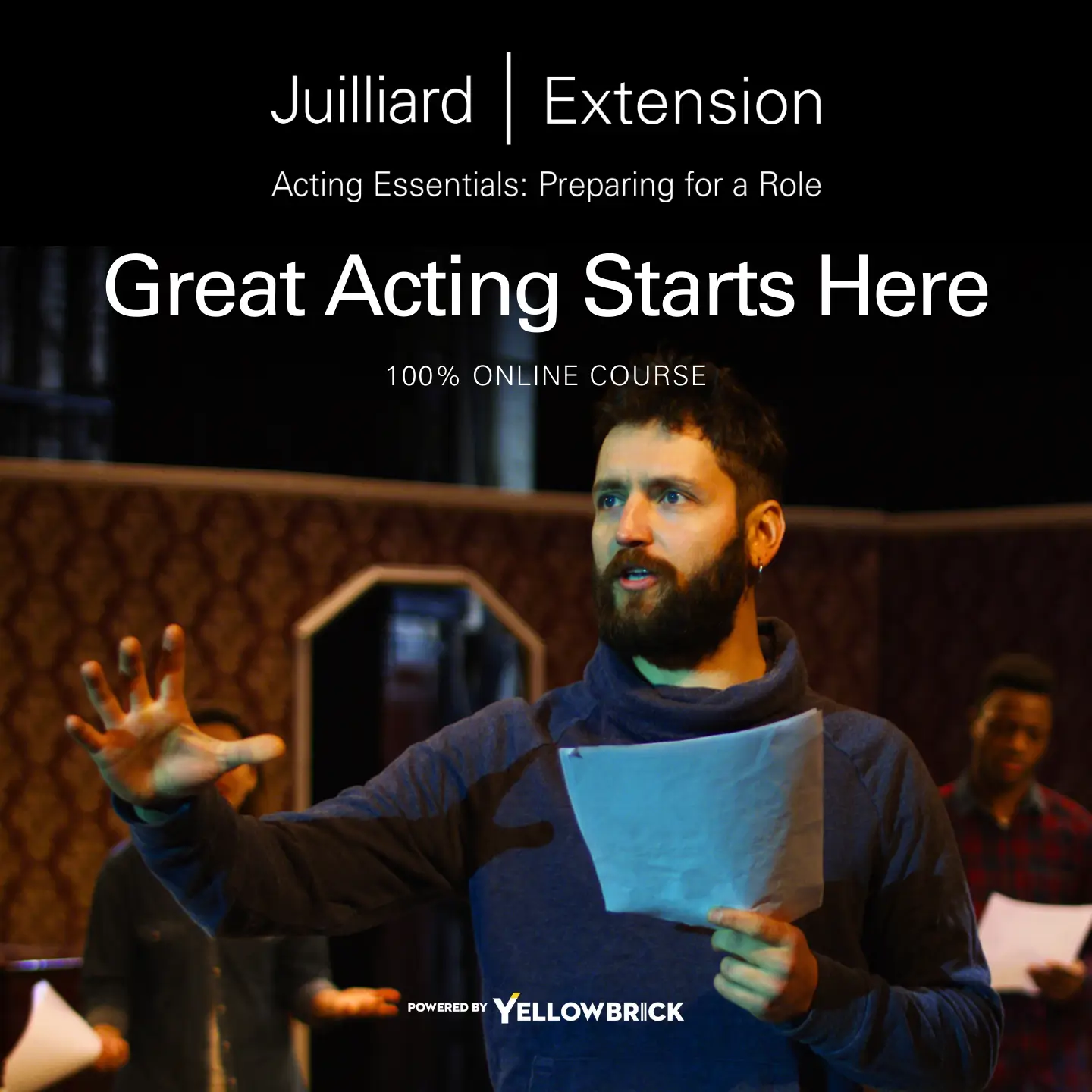
As you embark on your journey in talent coordination, consider enhancing your skills further by exploring the Juilliard Acting Essentials: Preparing for a Role online course and certificate program offered by Yellowbrick. Investing in professional development can equip you with the tools and knowledge needed to excel in the competitive world of talent coordination.