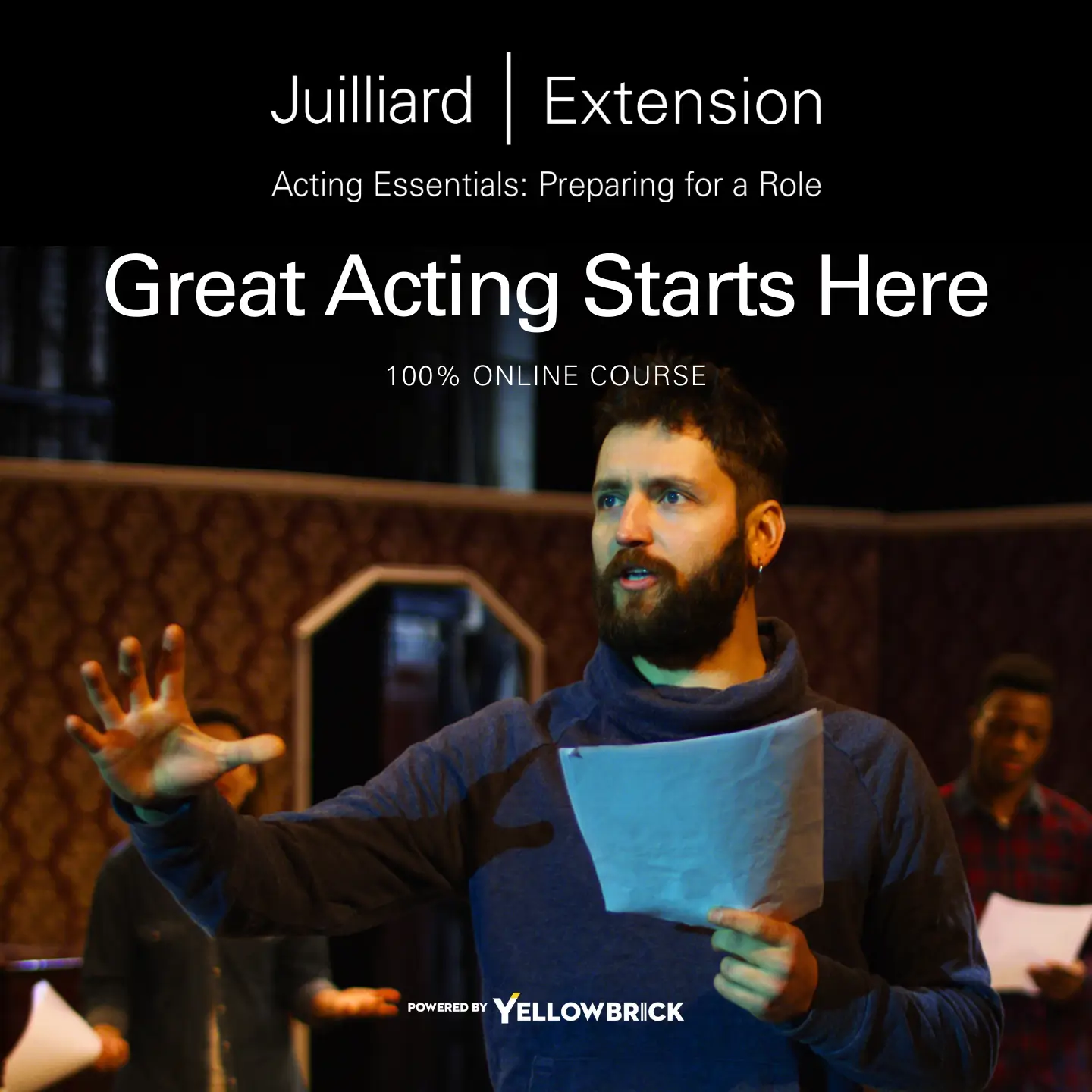
Are you an aspiring actor looking to enhance your on-camera performances? Monologue practice is a fundamental aspect of actor training that can help you refine your skills, connect with characters, and captivate audiences. In this comprehensive guide, we will delve into the importance of monologue practice, explore effective techniques to elevate your performances, and provide valuable tips to help you succeed in auditions and on-screen roles.
1. Understanding Monologue Practice
A monologue is a solo performance where an actor delivers a speech or dialogue from a play, film, or TV show. Monologue practice allows actors to showcase their range, emotional depth, and acting abilities without the presence of scene partners. By mastering monologues, actors can demonstrate their interpretative skills, character development, and on-camera presence.
2. Benefits of Monologue Practice
Engaging in regular monologue practice offers numerous benefits for actors. It helps improve memorization skills, enhances emotional expression, and builds confidence in performing solo. Monologue practice allows actors to explore various characters, genres, and themes, expanding their repertoire and versatility. Additionally, honing monologue skills can strengthen audition performances and make a lasting impression on casting directors.
3. Techniques for Effective Monologue Practice
To make the most of your monologue practice sessions, consider the following techniques:
- Choose monologues that resonate with you emotionally and showcase your strengths as an actor.
- Analyze the character’s motivations, objectives, and emotional journey within the monologue.
- Memorize the lines thoroughly to focus on delivering a compelling performance.
- Experiment with different interpretations, tones, and gestures to bring authenticity to your portrayal.
- Practice in front of a mirror or record your performances to evaluate your expressions, body language, and vocal delivery.
4. Tips for Successful Monologue Performances
When preparing for a monologue performance, keep the following tips in mind:
- Create a dynamic introduction to engage the audience and set the tone for your performance.
- Establish a strong connection with the character by understanding their backstory, relationships, and intentions.
- Use vocal variations, pauses, and gestures to convey emotions effectively and maintain the audience’s attention.
- Stay present in the moment, react truthfully to imaginary circumstances, and immerse yourself in the character’s world.
- Seek feedback from acting coaches, peers, or mentors to refine your performance and receive constructive criticism.
5. Monologue Practice in Auditions
Monologue practice plays a crucial role in audition preparation. When selecting a monologue for an audition, choose one that aligns with the character breakdown and the project’s genre. Tailor your performance to showcase your unique strengths, range, and versatility as an actor. Practice delivering the monologue with confidence, clarity, and emotional depth to leave a lasting impact on casting directors and showcase your potential for on-screen roles.
6. Elevating Your On-Camera Skills
Mastering monologue practice is essential for elevating your on-camera skills and succeeding in the competitive field of acting. By honing your ability to connect with characters, convey emotions authentically, and captivate audiences through solo performances, you can enhance your on-screen presence and stand out in auditions and castings. Whether you aspire to be an actor, voice actor, or pursue other roles in the entertainment industry, investing time and effort in monologue practice can set you on the path to success.
7. The Future of Monologue Practice
As the entertainment industry continues to evolve, the importance of monologue practice remains constant. Actors who prioritize honing their monologue skills and mastering on-camera techniques will be well-equipped to navigate the demands of the industry and seize opportunities for growth and development. By embracing the art of monologue practice as a cornerstone of actor training, aspiring performers can unlock their full potential and embark on a fulfilling career in the world of acting.
Conclusion
Monologue practice is more than a training exercise—it’s a powerful tool for building confidence, emotional truth, and a strong on-camera presence. By choosing the right material, understanding your character, and practicing with intention, you sharpen both your performance skills and audition readiness.
Consistent monologue work helps you connect authentically, stand out to casting directors, and grow as a versatile actor. With dedication and creativity, monologue practice can become a key stepping stone toward long-term success in the acting industry.
Key Takeaways:
- Monologue practice is essential for improving on-camera performance, confidence, and emotional connection.
- Monologues allow actors to showcase range, character depth, and solo storytelling ability.
- Regular practice strengthens memorization, versatility, and expressive control.
- Choosing material that fits your strengths helps create authentic, compelling performances.
- Character analysis builds clear objectives, emotional journeys, and believable portrayals.
- Strong preparation frees actors to focus on truth, tone, and physical expression.
- Recording and reviewing performances improve body language, voice, and presence.
- Effective delivery uses vocal variation, pauses, and gestures to hold attention.
- Monologue work is a key tool for audition success and standing out to casting directors.
- Consistent monologue practice elevates on-camera skills and long-term career growth.