Talent coordinators play a crucial role in the entertainment industry, working behind the scenes to ensure that productions run smoothly and efficiently. In this comprehensive guide, we will delve into the multifaceted responsibilities of a talent coordinator, the essential skills required for success in this role, and the key steps to kickstart a rewarding career in talent coordination.
The Role of a Talent Coordinator
Talent coordinators serve as the bridge between talent agencies, casting directors, producers, and performers. Their primary responsibility is to oversee the logistical aspects of talent management, including scheduling auditions, coordinating callbacks, negotiating contracts, and liaising with talent representatives. Talent coordinators play a pivotal role in ensuring that the right talent is selected for various projects, from films and TV shows to commercials and live events.
Skills Required for Talent Coordinators
Talent coordinators serve as the vital link between performers, agents, and production teams, ensuring that every aspect of the talent management process runs smoothly. Success in this fast-paced role requires a combination of organizational expertise, strong interpersonal abilities, and attention to detail. The following essential skills help talent coordinators effectively manage schedules, communicate with stakeholders, and support seamless production operations.
- Organizational Skills: Talent coordinators must have strong organizational abilities to manage multiple schedules, appointments, and deadlines effectively.
- Communication Skills: Clear and concise communication is essential for interacting with talent, agents, and production teams to convey information accurately and diplomatically.
- Negotiation Skills: The ability to negotiate contracts, fees, and terms with talent agents while ensuring a fair and mutually beneficial agreement is a key skill for talent coordinators.
- Problem-Solving Abilities: Talent coordinators need to think on their feet and troubleshoot any issues that may arise during auditions, callbacks, or contract negotiations.
- Attention to Detail: Being detail-oriented is crucial in ensuring that all paperwork, contracts, and scheduling arrangements are accurate and up to date.
Essential Steps to Kickstart Your Career as a Talent Coordinator
Breaking into the entertainment industry as a talent coordinator requires a combination of practical experience, strong industry connections, and a commitment to continuous learning. By developing the right skills, staying informed about industry trends, and actively building your professional network, you can create a solid foundation for a successful and rewarding career in talent coordination.
- Gain Industry Experience: Seek internships or entry-level positions in talent agencies, casting offices, or production companies to gain hands-on experience in talent coordination.
- Build a Network: Attend industry events, workshops, and networking mixers to connect with professionals in the entertainment industry and expand your contacts.
- Educational Background: Consider pursuing a degree in communications, film studies, or a related field to gain a solid foundation in the industry and enhance your credibility as a talent coordinator.
- Stay Informed: Keep up to date with industry trends, casting announcements, and changes in talent representation to stay competitive in the field.
- Professional Development: Continuously seek opportunities for professional development, such as workshops or online courses, to enhance your skills and knowledge in talent coordination.
Handling Auditions and Callbacks
One of the primary responsibilities of a talent coordinator is to manage auditions and callbacks efficiently. This involves coordinating schedules, preparing audition materials, communicating with talent agents, and providing logistical support to ensure a smooth audition process. Talent coordinators play a crucial role in creating a positive and professional environment for performers to showcase their skills and talents.
Managing Talent Contracts and Agreements
Another essential aspect of a talent coordinator’s role is managing talent contracts and agreements. This includes negotiating fees, terms, and conditions with talent agents, reviewing contract details, and ensuring that all parties are in agreement before finalizing the paperwork. Attention to detail and strong negotiation skills are key to successfully navigating the contractual aspects of talent coordination.
Conclusion
Talent coordinators are essential to the success of any production, ensuring seamless communication and efficient collaboration between performers, agents, and production teams. By combining strong organizational, communication, and negotiation skills with industry knowledge and hands-on experience, aspiring talent coordinators can build a rewarding career in entertainment. With dedication, continuous learning, and a proactive approach to networking, professionals in this field can play a key role in bringing creative projects to life.
Key Takeaways:
- Talent coordinators play a vital role in managing talent logistics and communication within the entertainment industry.
- Skills such as organization, communication, negotiation, problem-solving, and attention to detail are essential for success as a talent coordinator.
- To kickstart a career in talent coordination, gain industry experience, build a network, pursue relevant education, stay informed, and invest in professional development.
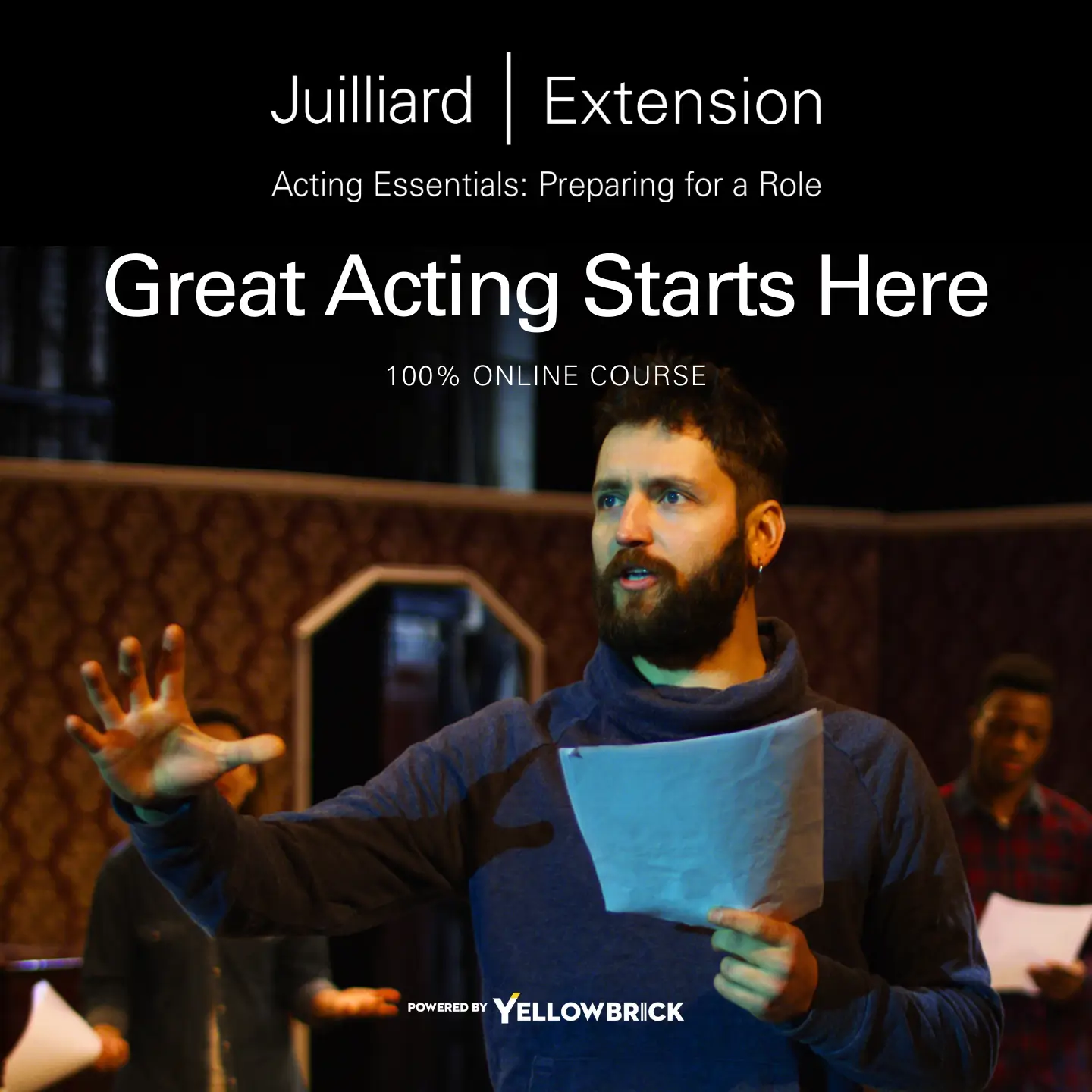
For those looking to further enhance their skills and excel in talent coordination, consider exploring the Juilliard Acting Essentials: Preparing for a Role online course and certificate program offered by Yellowbrick. Investing in professional development can empower you to thrive as a talent coordinator and make a significant impact in the entertainment industry.