If you’re interested in pursuing a career as an ADR (Automated Dialogue Replacement) editor, then you’re in the right place. ADR editors are responsible for cleaning up and enhancing dialogue in post-production to ensure that the final product is polished and professional. It’s a crucial role in the filmmaking process, and one that requires a unique set of skills and experience. In this article, we’ll be discussing the top 10 essential tips for becoming an ADR editor.
Understand the Role of an ADR Editor
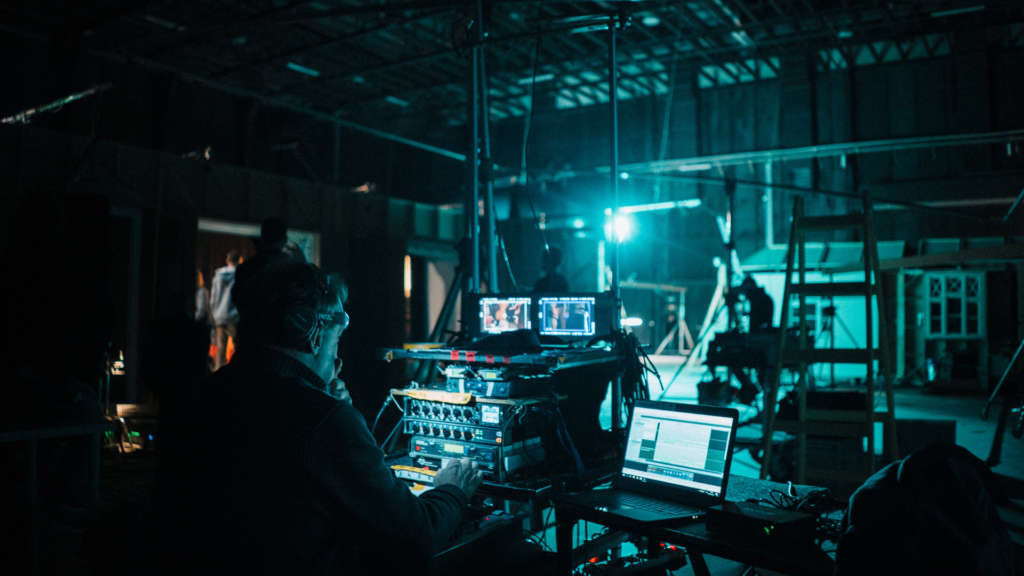
Before diving into the specifics of becoming an ADR editor, it’s important to understand what the role entails. As previously mentioned, ADR editors are responsible for cleaning up and enhancing dialogue in post-production. This involves syncing dialogue, removing unwanted background noise, and ensuring that the audio is clear and consistent.
Develop Strong Technical Skills
One of the most important skills for an ADR editor is technical proficiency. ADR editors work with a variety of software programs, including Pro Tools, Adobe Audition, and Avid. Familiarize yourself with these programs and develop a strong understanding of their capabilities and limitations.
Hone Your Listening Skills
As an ADR editor, you’ll need to have a keen ear for detail. You’ll be listening to dialogue repeatedly and making small adjustments to ensure that it’s perfect. Practice active listening by paying close attention to the nuances of speech and the sounds of different environments.
Build Relationships with Directors and Producers
ADR editors often work closely with directors and producers to ensure that the final product meets their vision. Building strong relationships with these individuals can help you to better understand their expectations and preferences.
Stay Up-to-Date with Industry Trends
The film industry is constantly evolving, and it’s important to stay up-to-date with the latest trends and technologies. Attend industry events, read industry publications, and network with other professionals to stay in the loop.
Create a Strong Portfolio
A strong portfolio is essential for showcasing your skills and experience as an ADR editor. Include samples of your work, along with a brief explanation of your role in each project.
Seek Out Internship Opportunities
Internship opportunities can be a great way to gain experience and make industry connections. Look for internships at production companies, post-production houses, and other relevant organizations.
Consider Pursuing Further Education
While a formal education is not necessarily required for becoming an ADR editor, pursuing further education can be beneficial. Consider taking courses in sound design, audio engineering, or related fields to expand your knowledge and skill set.
Build a Strong Online Presence
In today’s digital age, having a strong online presence is essential for making industry connections and showcasing your work. Create a professional website and social media profiles to showcase your portfolio and connect with other professionals.
Be Persistent and Patient
Becoming an ADR editor takes time and persistence. Don’t get discouraged if you don’t land your dream job right away. Keep honing your skills, building your portfolio, and making industry connections.
Key Takeaways
- Becoming an ADR editor is a challenging but rewarding career path. To succeed in this field, it’s important to have strong technical skills, hone your listening skills, build relationships with directors and producers, stay up-to-date with industry trends, create a strong portfolio, seek out internship opportunities, consider pursuing further education, build a strong online presence, and be persistent and patient.
- If you’re interested in pursuing a career in the film and TV industry, consider taking the NYU Film and TV Industry Essentials online course and certificate program. This program provides a comprehensive overview of the film and TV industry, including post-production and sound design. It’s a great way to gain the knowledge and skills you need to succeed in this exciting field.