Becoming a streetwear designer is an exciting opportunity for creative individuals who want to turn their passion for fashion into a career. Streetwear combines clothing, art, music, sports, and urban culture, giving designers the freedom to experiment with different styles and express unique ideas.
However, building a career in streetwear design requires more than having a good sense of style. You need to develop technical design skills, understand the fashion industry, create a strong portfolio, and learn how to connect with brands and potential customers.
Whether you want to work for an established clothing company or launch your own streetwear label, developing the right skills and experience can help you enter this competitive industry.
Here are six essential steps to help you become a streetwear designer.
1. Develop Your Fashion Design Skills
The first step toward becoming a streetwear designer is learning how to turn creative ideas into wearable clothing. Strong design skills help you develop original concepts, create appealing garments, and communicate your vision effectively.
Study streetwear trends and influences. Follow streetwear brands, designers, fashion publications, and online communities to understand current styles and emerging trends. Explore different influences, including skateboarding, hip-hop, basketball, graphic art, and youth culture. Studying these elements can help you understand what makes streetwear distinct and how it continues to evolve.
Practice sketching and illustration. Learn to draw clothing concepts, including T-shirts, hoodies, jackets, pants, and accessories. Practice illustrating different silhouettes, graphic placements, colors, and garment details. Your sketches do not need to be perfect at first. Consistent practice will help you communicate your ideas more clearly.
Experiment with fabrics and materials. Explore different textiles, such as cotton jersey, fleece, denim, canvas, and nylon. Learn how fabric weight, texture, stretch, and durability affect a garment’s appearance and comfort. Understanding materials will help you choose appropriate fabrics for your designs.
Explore digital design tools. Become familiar with programs such as Adobe Illustrator, Photoshop, and other fashion design applications. These tools can help you create technical drawings, graphics, color variations, and digital presentations.
Developing both creative and technical abilities will give you a stronger foundation for a career in streetwear design.
2. Gain Knowledge of the Fashion Industry
A streetwear designer must understand how clothing is developed, produced, marketed, and sold. Industry knowledge helps you create designs that are not only visually appealing but also practical to manufacture and commercially suitable.
Learn fashion design fundamentals. Study garment construction, pattern-making, sewing techniques, sizing, and fabric selection. Understanding these areas will help you recognize how different clothing components work together. You should also learn basic fashion terminology so you can communicate effectively with manufacturers, pattern makers, and other professionals.
Understand garment production. Learn about the stages involved in producing clothing, from creating an initial design to developing samples and manufacturing finished products. Familiarize yourself with measurements, stitching details, fabric requirements, and production costs. This knowledge is particularly useful when developing a clothing collection.
Study successful streetwear brands. Examine how established brands develop their identities, choose their target audiences, and communicate their messages. Look at their product designs, marketing campaigns, collaborations, and brand stories. Rather than copying their work, identify the strategies that make their identities recognizable.
Understand branding and storytelling. Streetwear is closely connected to culture and personal identity. A successful brand often communicates a clear message through its designs, visuals, and marketing. Learn how logos, typography, colors, packaging, and storytelling contribute to a consistent brand identity.
Combining design knowledge with an understanding of business and production will help prepare you for the realities of the fashion industry.
3. Build a Strong Streetwear Design Portfolio
A portfolio is one of the most important tools for presenting your abilities as a designer. It allows potential employers, clients, and collaborators to evaluate your creativity, technical knowledge, and personal design style.
Showcase your design projects. Include your best clothing sketches, digital illustrations, mood boards, color palettes, and completed garment concepts. Select projects that demonstrate your ability to design different types of streetwear, such as graphic T-shirts, hoodies, jackets, and pants.
Present your creative process. Do not include only finished designs. Show how you developed each concept, from initial inspiration and research to sketches, material choices, and final presentations. This helps viewers understand how you approach design challenges and transform ideas into products.
Highlight your unique aesthetic. Your portfolio should communicate what makes your work different. You might specialize in oversized silhouettes, minimalist streetwear, vintage-inspired graphics, experimental patterns, or sportswear influences. A recognizable design direction can help you stand out.
Create professional design presentations. Use clean layouts, consistent typography, and high-quality images. Include brief descriptions of each project, explaining its inspiration, intended audience, and important design features. If you have completed physical garments, photograph them from different angles to show their details.
Make your portfolio accessible online. Consider creating a professional website or using platforms such as Behance and Instagram to display your work. Keep your portfolio updated as you complete new projects and improve your skills.
A focused and well-organized portfolio can help open opportunities for internships, freelance assignments, collaborations, and full-time design positions.
4. Gain Experience Through Internships and Projects
Practical experience allows you to apply your design knowledge in real situations. It also helps you understand how fashion teams work and how creative ideas move through the production process.
Apply for fashion internships. Look for opportunities at streetwear brands, clothing companies, fashion design studios, and apparel manufacturers. Internships may expose you to product development, graphic design, sample preparation, trend research, and production coordination.
Work on freelance design projects. Offer your design services to small clothing businesses, independent labels, or individuals who need original graphics and apparel concepts. Freelance projects can help you develop client communication skills while expanding your portfolio.
Start personal design projects. You do not need to wait for an employer to give you an opportunity. Create your own mini collections, experiment with different garment styles, or produce a small number of sample pieces. Personal projects demonstrate initiative and allow you to explore your creative direction.
Collaborate with other creatives. Work with photographers, models, stylists, graphic artists, and content creators to present your designs professionally. These collaborations can introduce you to people in related creative fields and help you develop valuable industry connections.
Consider launching a small streetwear label. Starting your own clothing project can teach you about product development, pricing, manufacturing, branding, and marketing. Even a small collection can provide useful experience in managing a fashion business.
Every practical project gives you an opportunity to improve your abilities and understand what it takes to work as a professional designer.
5. Stay Inspired and Continue Developing Your Skills
Streetwear constantly changes as new cultural influences, technologies, and creative ideas emerge. Successful designers continue learning and experimenting to keep their work relevant and distinctive.
Attend fashion shows and streetwear events. Participate in fashion exhibitions, design showcases, pop-up events, and industry gatherings whenever possible. These events allow you to observe new collections, discover emerging designers, and connect with people working in fashion.
Explore art, music, and urban culture. Inspiration does not always come from clothing. Architecture, photography, street art, music, sports, and everyday experiences can provide ideas for new designs. Exploring different creative fields can help you develop a more original perspective.
Experiment with new techniques and materials. Try different printing methods, embroidery, fabric treatments, garment construction techniques, and unconventional combinations of materials. Testing new approaches can help you create distinctive products and expand your technical abilities.
Follow emerging designers and creative communities. Discover independent streetwear labels, fashion students, and artists who are experimenting with new concepts. Observing their work can introduce you to different approaches while helping you recognize changes in the industry.
Learn from feedback. Share your designs with other creatives, potential customers, and experienced professionals. Listen to constructive criticism and use it to improve your concepts, presentations, and technical execution.
Continuous learning helps you develop a stronger design identity and adapt to the changing streetwear market.
6. Build Your Online Presence and Promote Your Work
Having strong design skills is important, but people also need to see your work. Building an online presence helps you showcase your creativity, connect with potential clients, and establish your reputation in the streetwear industry.
Create professional social media accounts. Use platforms such as Instagram, TikTok, Pinterest, and Behance to display your designs, sketches, finished garments, and creative process. Keep your posts consistent with your design identity and make it easy for interested people to contact you.
Develop a professional website. A personal website can serve as your central portfolio. Include an introduction, selected design projects, professional experience, contact information, and links to your social media accounts. Organize the content so visitors can quickly understand your skills and design direction.
Collaborate with influencers and content creators. Work with streetwear influencers, fashion bloggers, photographers, and stylists who share an interest in your designs. They can help introduce your work to new audiences through outfit features, product reviews, photoshoots, and creative collaborations.
Share behind-the-scenes content. Show how you develop ideas, select fabrics, create graphics, and prepare garments. Process videos and design previews can make your work more engaging while helping audiences understand the effort behind each collection.
Build relationships within the fashion community. Engage with other designers, brands, and creative professionals. Participate in discussions, attend events, and support other people’s projects. Meaningful connections can lead to collaborations, referrals, and professional opportunities.
A consistent online presence helps establish your identity as a designer and makes your work easier for potential employers, clients, and collaborators to discover.
Conclusion
Becoming a streetwear designer requires creativity, technical knowledge, practical experience, and a clear understanding of urban fashion culture. By developing your design skills, learning garment construction, building a strong portfolio, and gaining industry experience, you can create a solid foundation for your career.
You do not need to begin with a large clothing collection or an established fashion company. Start by sketching ideas, studying streetwear influences, experimenting with materials, and creating personal design projects. As your skills improve, look for opportunities to collaborate, gain professional experience, and showcase your work.
The streetwear industry offers room for designers with different creative perspectives. By developing your own design identity and continuously improving your craft, you can turn your interest in urban fashion into a meaningful career.
Key Takeaways:
- Study streetwear trends, practice sketching, and develop both creative and technical design skills.
- Learn garment construction, pattern-making, textile selection, production, and branding fundamentals.
- Build a professional portfolio featuring sketches, mood boards, digital designs, and completed garments.
- Gain practical experience through internships, freelance assignments, collaborations, and personal projects.
- Stay inspired by exploring fashion events, art, music, street culture, and emerging design techniques.
- Use social media and a professional website to showcase your work and connect with industry professionals.
- Develop a recognizable design identity while remaining open to feedback and continuous learning.
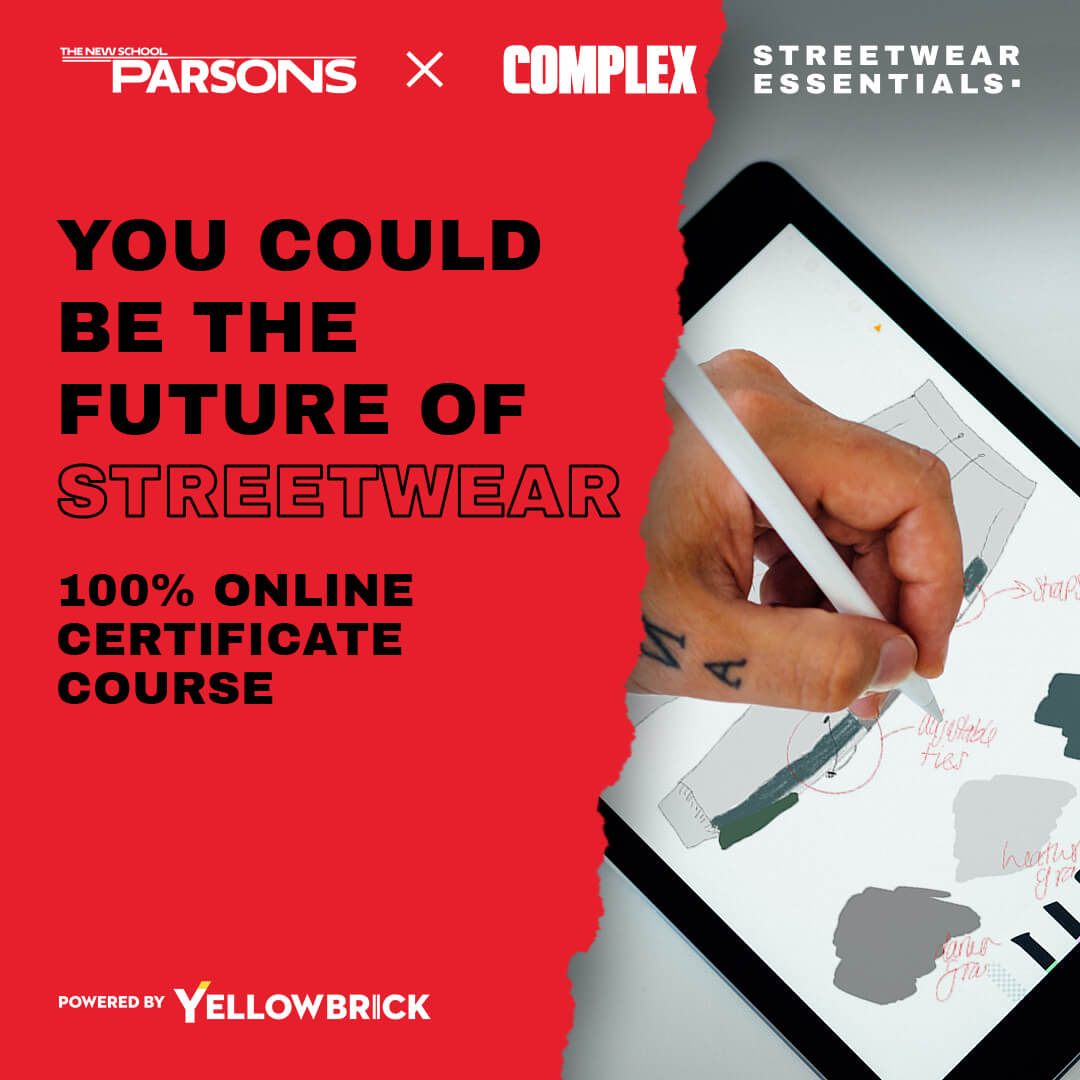
Ready to dive deeper into streetwear design? Explore the Parsons Streetwear Essentials online course.