Building a streetwear wardrobe is more than collecting trendy clothing. It is about expressing your personality, combining comfort with style, and creating outfits that reflect your individual taste. Influenced by skateboarding, hip-hop, sports, music, and urban culture, streetwear has become one of the most recognizable styles in modern fashion.
Whether you prefer oversized shirts, statement sneakers, graphic prints, or minimalist outfits, creating a streetwear wardrobe does not require buying expensive designer clothing. The key is choosing versatile pieces, experimenting with different combinations, and developing a style that feels authentic to you.
Here are six essential elements to help you build a streetwear wardrobe that balances comfort, creativity, and personal expression.
1. Understand the Streetwear Style
Before buying streetwear pieces, understand what makes this fashion style unique. Streetwear is rooted in individuality, cultural influence, and everyday comfort. It allows people to express their interests and personality through clothing.
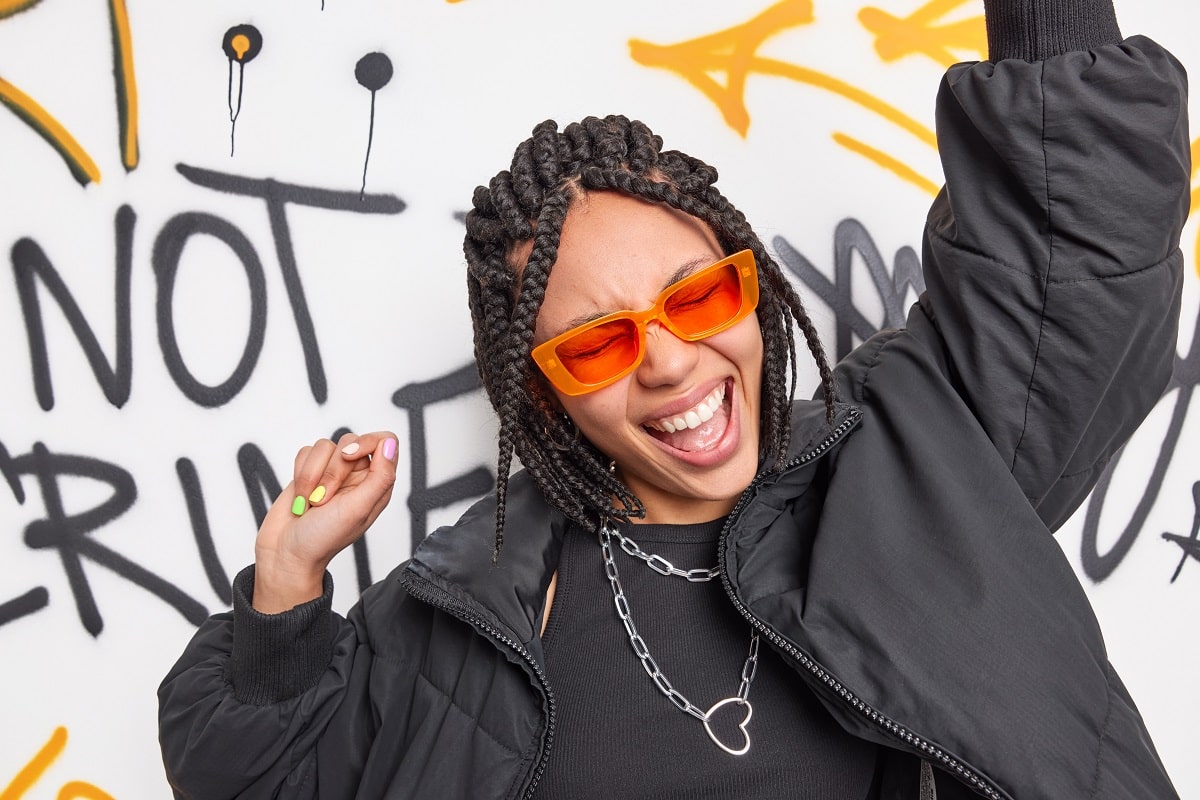
Embrace individuality. One of the defining characteristics of streetwear is self-expression. Some people prefer bold graphics and oversized silhouettes, while others choose simple colors, clean designs, and minimalist outfits. You do not need to copy a celebrity or follow every fashion trend. Instead, identify the styles, colors, and designs that reflect your personality.
Combine comfort and style. Streetwear is designed for everyday wear, so comfort is an important consideration. Choose clothing that allows you to move freely while maintaining a stylish appearance. Relaxed-fit shirts, loose pants, comfortable hoodies, and supportive sneakers are popular choices.
Explore different influences. Streetwear draws inspiration from various communities and creative movements, including skateboarding, hip-hop, basketball, and contemporary art. Exploring these influences can help you discover different ways to express your style.
The goal is to create a wardrobe that feels natural, comfortable, and personal rather than simply following what is popular.
2. Invest in Essential Streetwear Pieces
A strong streetwear wardrobe starts with versatile basics. These pieces can be combined in different ways, making it easier to create multiple outfits without buying too many clothes.
Graphic T-shirts. Graphic tees are among the most recognizable streetwear essentials. They often feature illustrations, typography, logos, artwork, or bold statements. Choose designs that reflect your interests or complement your overall style. Neutral-colored shirts are useful for everyday outfits, while colorful graphics can serve as statement pieces.
Hoodies and sweatshirts. Hoodies and sweatshirts provide comfort while adding a relaxed appearance to an outfit. Oversized fits are popular in streetwear because they create a casual silhouette. Look for interesting details such as embroidered graphics, front pockets, printed designs, or unique fabric textures. Neutral shades like black, gray, beige, and white are easy to match with other clothing.
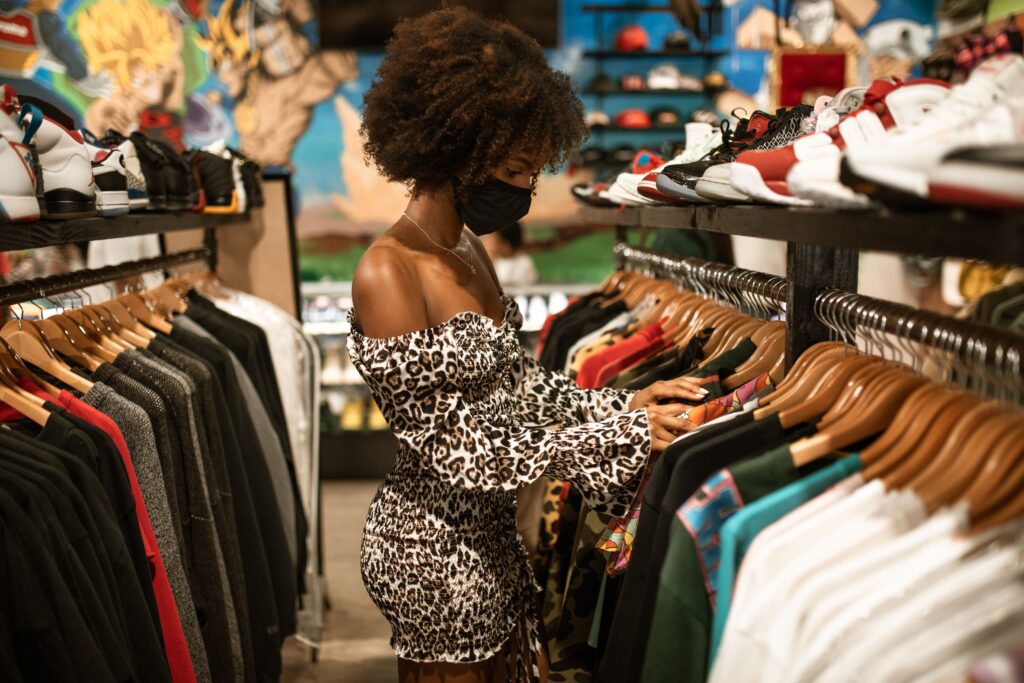
Sneakers. Sneakers are an important part of streetwear fashion. Classic high-tops, low-top sneakers, basketball-inspired designs, and skate shoes can complete an outfit. Choose footwear that matches your clothing preferences and daily activities. A versatile pair in neutral colors can work with many outfits, while a more colorful pair can become the main focus of your look.
Relaxed-fit pants and jeans. Although often overlooked, bottoms are essential to creating balanced streetwear outfits. Consider cargo pants, wide-leg trousers, relaxed-fit jeans, and joggers. These styles work well with oversized shirts and hoodies while giving you more options for experimenting with proportions.
Start with a few reliable pieces that can be mixed and matched. You can gradually add more distinctive items as your personal style develops.
3. Master the Art of Layering
Layering adds depth, texture, and personality to streetwear outfits. It also allows you to combine basic clothing pieces in creative ways.
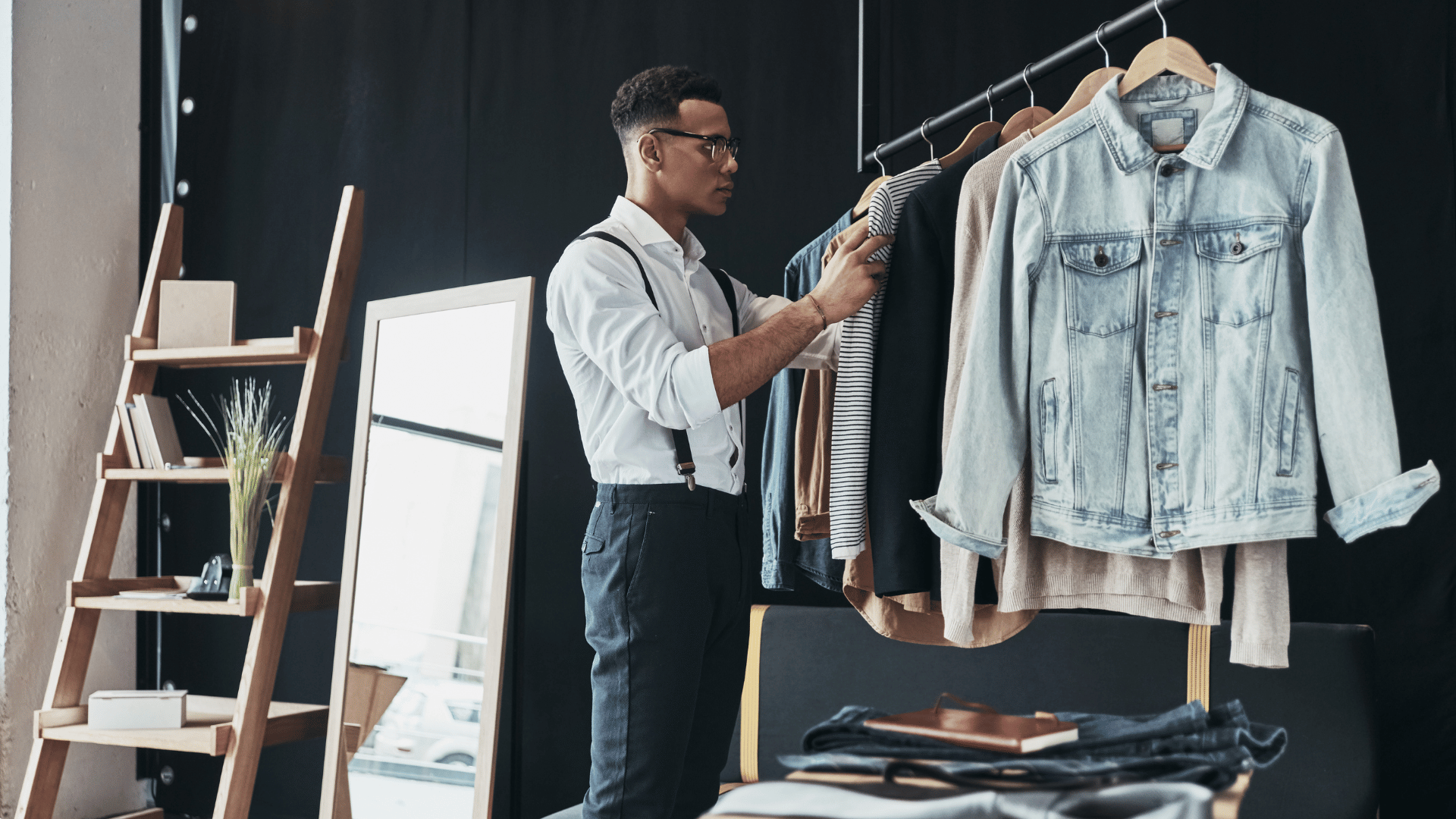
Mix different textures. Combine materials such as denim, cotton, leather, fleece, and knitwear to make an outfit more visually interesting. For example, a cotton graphic tee can be worn under a denim jacket, while a textured knit sweater can add contrast to simple trousers.
Experiment with proportions. Streetwear often plays with the relationship between loose and fitted clothing. Try pairing an oversized hoodie with straight-leg pants or wearing a relaxed shirt over a fitted top. You can also combine a longline shirt with a cropped jacket to create a more dynamic silhouette.
Use outerwear to complete your look. Denim jackets, bomber jackets, varsity jackets, windbreakers, and lightweight coats can add character to simple outfits. Choose outerwear that complements your existing clothes rather than purchasing pieces that are difficult to style.
Keep the outfit balanced. Wearing several oversized pieces can create a relaxed streetwear look, but too many loose layers may make the outfit appear unstructured. Consider balancing volume with a more fitted item or using different lengths to create a cleaner appearance.
Layering gives you more outfit combinations and makes even basic wardrobe pieces feel fresh.
4. Accessorize with Personality
Accessories can transform a simple streetwear outfit into a more distinctive look. They add character and help communicate your personal style without requiring an entirely new wardrobe.
Statement hats. Snapbacks, beanies, bucket hats, and baseball caps are common streetwear accessories. A hat can introduce another color or graphic to your outfit while complementing your overall aesthetic. Choose a style that works with your hairstyle, clothing, and preferred look.
Bold jewelry. Chains, rings, bracelets, and pendants can add personality to streetwear outfits. Silver-colored accessories often complement monochromatic clothing, while larger statement pieces can create a more noticeable look. Avoid wearing too many competing accessories if you want a balanced appearance.
Bags and practical accessories. Crossbody bags, backpacks, sling bags, and waist bags combine function with style. They are useful for carrying everyday essentials while adding another element to your outfit. Sunglasses, watches, and belts can also help complete your look.
The best accessories are those that complement your clothing and reflect your personality rather than distract from the entire outfit.
5. Experiment with Patterns and Prints
Patterns and prints can make streetwear outfits more expressive. They help introduce color, texture, and visual interest, especially when paired with simple wardrobe basics.
Camouflage prints. Camouflage is a classic pattern associated with military-inspired and utility fashion. Camo pants, jackets, and accessories can give an outfit a rugged appearance. To keep the look balanced, pair camouflage pieces with solid-colored shirts, hoodies, or sneakers.
Tie-dye designs. Tie-dye adds color and a retro-inspired feel to streetwear. Its distinctive patterns can appear on T-shirts, hoodies, sweatshirts, and pants. Since tie-dye garments often feature several colors, combine them with simple bottoms or neutral accessories to avoid an overly busy outfit.
Graphic and logo prints. Large illustrations, typography, abstract artwork, and bold logos are common elements of streetwear. These designs can communicate personal interests, creative influences, or a connection to a particular fashion culture. Choose prints that complement your wardrobe and avoid combining too many competing graphics in one outfit.
Stripes and geometric patterns. Stripes, checkerboard designs, and geometric shapes can add visual contrast without overwhelming an outfit. They work well with basic jeans, relaxed trousers, and simple sneakers.
When experimenting with prints, consider the colors and scale of each design. One statement pattern paired with simpler pieces often creates a more cohesive outfit.
6. Develop Your Own Streetwear Styling Approach
Once you have the essential pieces, experiment with different combinations to discover what works best for your lifestyle and personal taste. Streetwear does not follow one fixed formula, so there is room to create a look that feels unique.
Mix high-end and affordable pieces. You do not need an entirely designer wardrobe to create stylish streetwear outfits. Combine a premium jacket or pair of sneakers with affordable T-shirts, jeans, and accessories. This approach allows you to invest in selected statement items while keeping your overall clothing budget manageable.
Experiment with different silhouettes. Try oversized shirts, cropped jackets, wide-leg pants, straight-cut jeans, and relaxed-fit hoodies. Pay attention to how different shapes work together and how they make you feel. The best silhouette is one that suits your preferences and allows you to move comfortably.
Build outfits around one statement piece. Start with a distinctive item, such as a graphic hoodie, patterned jacket, or colorful sneakers. Then choose simpler clothing pieces that complement it. This makes styling easier and prevents your outfit from looking too crowded.
Create a versatile color palette. Neutral shades such as black, white, gray, beige, and navy make excellent wardrobe foundations. You can introduce brighter colors through sneakers, graphic shirts, hats, and other accessories. Having a consistent color palette makes it easier to combine different pieces.
Prioritize versatility over quantity. Before purchasing something new, consider whether it works with at least two or three items you already own. Choosing versatile clothing helps you create more outfits while avoiding unnecessary spending.
Developing your own styling approach takes time. Try different combinations, observe what you enjoy wearing, and gradually refine your wardrobe.
Conclusion
Building a streetwear wardrobe is an opportunity to express your individuality while enjoying the comfort and creativity of urban fashion. By understanding the style, investing in essential clothing pieces, mastering layering, and experimenting with accessories and prints, you can create outfits that reflect your personality.
You do not need expensive designer labels or a large collection of clothing to achieve a strong streetwear look. Start with versatile basics, choose quality pieces, and explore different combinations. Most importantly, wear what makes you feel comfortable and confident.
Streetwear is ultimately about personal expression, so let your wardrobe reflect who you are rather than simply following trends.
Key Takeaways:
- Streetwear combines individuality, cultural influences, comfort, and personal expression.
- Graphic T-shirts, hoodies, sneakers, and relaxed-fit pants are essential wardrobe pieces.
- Layering different textures and proportions creates more interesting outfits.
- Hats, jewelry, bags, and other accessories add personality to streetwear looks.
- Patterns such as camouflage, tie-dye, and graphic prints bring visual interest to an outfit.
- Combining affordable clothing with selected premium pieces can create a stylish and balanced wardrobe.
- Building a versatile wardrobe around your personal preferences is more valuable than simply following trends.
Ready to elevate your streetwear game? Explore the Parsons Streetwear Essentials online course.