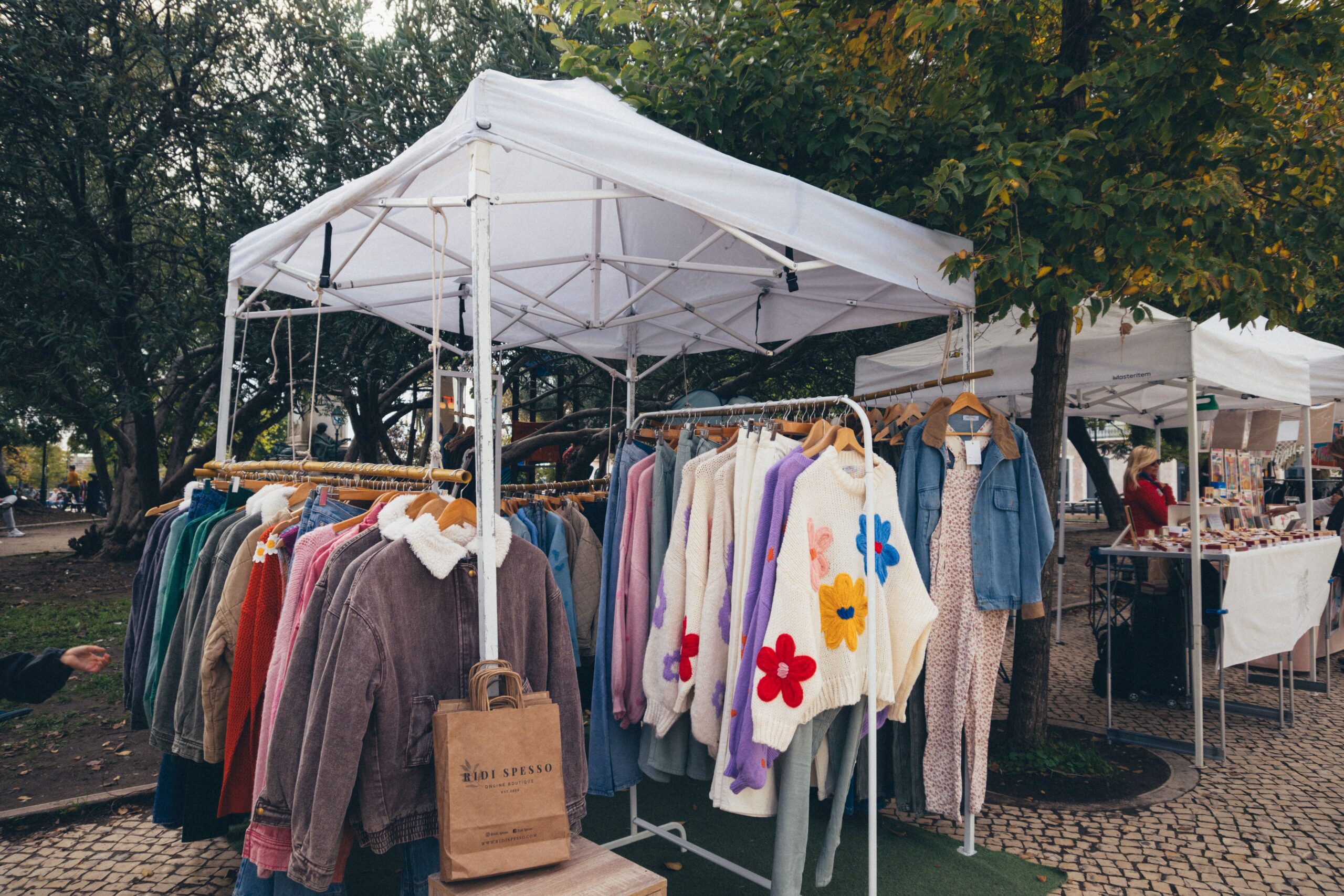
Streetwear and high fashion are two influential styles that have shaped the modern fashion industry. Although they have different origins, design approaches, audiences, and price points, both play important roles in defining trends and encouraging creative expression.
Streetwear is closely connected to urban culture, music, skateboarding, and everyday style. High fashion, on the other hand, is associated with luxury, exclusive designs, premium materials, and exceptional craftsmanship. However, the boundaries between these two worlds have become less distinct as luxury designers collaborate with streetwear brands and incorporate casual elements into their collections.
Understanding their differences and similarities helps explain how fashion continues to evolve. Here are six important areas that distinguish streetwear from high fashion.
1. Origin and Evolution
Streetwear and high fashion developed from different cultural and creative backgrounds. Their histories explain why they have distinct identities and approaches to clothing.
Streetwear: The influence of urban culture. Streetwear emerged from youth culture, particularly the skateboarding, hip-hop, surf, and punk scenes of the late 20th century. It developed as a way for young people to express their identities, interests, and lifestyles through clothing.
Early streetwear was influenced by graphic T-shirts, sneakers, loose-fitting clothing, music merchandise, and designs inspired by graffiti and street art. Independent designers and small clothing labels helped establish the movement by creating products that reflected their communities.
Over time, streetwear grew into a global fashion movement. Brands such as Stüssy and Supreme helped bring street-inspired fashion to a wider audience. Today, streetwear includes everything from affordable everyday clothing to highly sought-after limited-edition releases.
High fashion: The development of luxury design. High fashion has a longer history rooted in European couture traditions. It is associated with designers who create original garments using specialized techniques, high-quality materials, and detailed craftsmanship.
Paris became one of the most influential centers of haute couture, where fashion houses established reputations for creating exclusive, custom-made garments. Designers such as Christian Dior and Coco Chanel helped shape modern luxury fashion through their distinctive designs and influence.
High fashion eventually expanded beyond traditional couture to include luxury ready-to-wear collections, runway presentations, and experimental designs. It continues to influence how designers approach clothing, silhouettes, materials, and artistic expression.
2. Design Aesthetics and Clothing Styles
One of the easiest ways to distinguish streetwear from high fashion is through their visual appearance and design philosophy.
Streetwear: Casual, comfortable, and expressive. Streetwear focuses on clothing that reflects everyday life and individual style. Its designs often combine comfort, practicality, and bold visual elements.
Common streetwear pieces include:
- Graphic T-shirts with logos, illustrations, or statements.
- Hoodies and sweatshirts with relaxed silhouettes.
- Baggy jeans, cargo pants, and oversized trousers.
- Sneakers inspired by sports, skateboarding, and urban culture.
- Caps, beanies, and other casual accessories.
Streetwear also embraces bold colors, oversized fits, graphic prints, and brand logos. Collaborations with artists, musicians, and other brands are common because they introduce new ideas and cultural influences.
High fashion: Creative, detailed, and sophisticated. High fashion often emphasizes originality, craftsmanship, construction, and the artistic presentation of garments.
Its designs may include:
- Tailored suits and structured jackets.
- Elaborate gowns and couture dresses.
- Intricate embroidery and decorative details.
- Experimental silhouettes and unusual proportions.
- Premium fabrics and carefully constructed garments.
High fashion designers often use runway shows to present creative concepts and challenge traditional ideas about clothing. Some designs are highly artistic and may not be intended for everyday wear.
However, high fashion is not limited to formal or extravagant clothing. Luxury brands also produce casual collections, including sneakers, T-shirts, denim, and everyday accessories.
3. Target Audience and Consumer Preferences
Streetwear and high fashion attract different consumer groups, although their audiences increasingly overlap.
Streetwear: Youth culture and individuality. Streetwear appeals to people who value comfort, self-expression, cultural identity, and contemporary trends. It has a strong following among young adults, sneaker enthusiasts, music fans, skateboarders, and fashion communities.
Many streetwear consumers are interested in the stories behind brands, limited-edition releases, collaborations, and the cultural meaning of certain designs.
For these customers, clothing is not simply about appearance. It can communicate personal interests, creativity, and belonging to a particular community.
High fashion: Luxury and exclusivity. High fashion traditionally attracts affluent consumers, collectors, fashion enthusiasts, and individuals who value designer craftsmanship and prestige.
These consumers may be interested in the designer’s reputation, quality of materials, construction techniques, originality, and exclusivity of a collection.
However, high fashion also reaches a broader audience through fashion magazines, runway coverage, social media, celebrity appearances, and more accessible products such as fragrances and accessories.
The distinction between the two audiences is not absolute. Many consumers enjoy combining streetwear pieces with luxury fashion items, creating personal styles that draw inspiration from both.
4. Price Point and Accessibility
Price is another major difference between streetwear and high fashion. While both categories include expensive products, their pricing structures and purchasing experiences often differ.
Streetwear: Different price levels and limited releases. Streetwear brands offer products at various price points. Basic T-shirts, hoodies, and caps may be relatively affordable, while limited-edition sneakers and designer collaborations can become expensive.
Many brands use online releases, pop-up shops, and exclusive product drops to create excitement around new collections. Some items become highly desirable because of limited availability.
The resale market also plays an important role in streetwear. Certain sneakers and clothing releases may be resold at prices higher than their original retail value because of demand and scarcity.
High fashion: Premium pricing and exclusivity. High fashion products generally have higher prices because of their materials, craftsmanship, design processes, brand reputation, and production methods.
Haute couture garments are especially expensive because they are often custom-made and require extensive labor and specialized skills.
Luxury ready-to-wear collections are more widely produced than couture pieces, but they still carry premium prices. Access to certain collections may also be limited by availability, store locations, or exclusive client services.
Although streetwear is often more accessible, the rise of luxury streetwear has blurred the distinction. Some streetwear collaborations and limited-edition products now carry luxury-level prices.
5. Influence on Mainstream Fashion
Both streetwear and high fashion have significantly influenced the clothing people wear today. Their ideas often move beyond their original audiences and become part of mainstream fashion.
Streetwear: Bringing urban style into everyday fashion. Streetwear has helped popularize oversized clothing, graphic designs, sneakers, hoodies, and casual outfits.
Elements that were once strongly associated with skateboarding and hip-hop culture are now common in everyday fashion collections. Athleisure, logo-focused designs, and sneaker culture have also become important parts of the global fashion market.
Luxury brands have adopted streetwear elements, while mainstream retailers regularly introduce collections inspired by urban fashion.
High fashion: Introducing new trends and design concepts. High fashion influences the direction of the fashion industry through runway collections, designer presentations, and creative experimentation.
Designers introduce new silhouettes, colors, fabrics, patterns, and styling ideas that may eventually influence more affordable clothing brands.
For example, a particular runway trend may inspire commercial versions of a jacket, dress, or trouser style that become available in mainstream retail stores.
The relationship works in both directions. Streetwear influences luxury designers, while high fashion introduces new interpretations of casual clothing and urban-inspired designs.
6. Cultural Impact and Creative Expression
Beyond clothing and business, streetwear and high fashion represent different ways of expressing culture, identity, and creativity.
Streetwear: A reflection of communities and social movements. Streetwear is closely connected to the communities and cultural movements that helped shape it. Hip-hop, skateboarding, graffiti, sports, and youth culture continue to influence its designs and messages.
Many streetwear brands use clothing to communicate ideas about identity, social issues, creativity, and belonging. Graphic prints and slogans can express opinions or represent particular cultural experiences.
Streetwear also provides opportunities for independent designers and local artists to share their work with wider audiences.
High fashion: An expression of artistry and craftsmanship. High fashion often treats clothing as a form of artistic expression. Designers use fabric, structure, color, and construction to communicate ideas and create distinctive visual experiences.
Runway collections may explore themes related to history, architecture, art, politics, nature, and society. Some garments challenge traditional ideas about beauty, gender, and the purpose of clothing.
High fashion also preserves specialized techniques such as embroidery, tailoring, draping, and detailed garment construction.
Although their approaches differ, both streetwear and high fashion demonstrate how clothing can communicate ideas and influence culture.
Conclusion
Streetwear and high fashion may have different origins, aesthetics, and audiences, but both have become essential parts of the modern fashion industry. Streetwear celebrates urban culture, comfort, and individuality, while high fashion highlights luxury, craftsmanship, and artistic innovation.
Today, the distinction between these styles is becoming less rigid. Luxury designers incorporate streetwear elements into their collections, while streetwear brands experiment with premium materials, sophisticated construction, and exclusive collaborations.
Ultimately, neither style is more important than the other. Both offer different ways to express identity, creativity, and cultural influences. Their continued interaction demonstrates that fashion is constantly evolving, bringing together different ideas and styles to shape what people wear.
Key Takeaways:
- Distinct Styles: Streetwear and high fashion offer unique aesthetics and cater to different audiences.
- Influence: Streetwear shapes mainstream fashion trends, while high fashion sets industry standards.
- Cultural Significance: Streetwear reflects urban culture, while high fashion embodies luxury and sophistication.
Enhance your understanding of fashion dynamics with the Parsons Streetwear Essentials online course.