A pop-up shop is a temporary retail space that allows businesses to showcase and sell products for a limited time. For clothing brands, it offers an opportunity to connect with customers, introduce new collections, increase brand awareness, and generate sales without committing to a permanent store.
However, running a successful pop-up shop requires more than finding a space and displaying products. You need clear objectives, a suitable location, attractive displays, organized inventory, and effective promotion to create a memorable shopping experience.
Whether you are launching a new clothing brand or expanding an existing fashion business, here are six practical strategies to help you plan and manage a successful pop-up shop.
1. Set Clear Objectives and Goals
Before organizing your pop-up shop, determine what you want to achieve. Having clear objectives helps guide your decisions, allocate your budget, and measure the results of your event.
Define your purpose. Identify the main reason for opening a temporary retail space. Your goals may include increasing brand awareness, introducing a new clothing collection, testing a new market, attracting potential customers, or generating additional sales.
For example, a new clothing brand may organize a weekend pop-up shop to introduce its first streetwear collection and find out which designs attract the most interest. An established brand may use the event to clear seasonal inventory or promote a limited-edition release.
Your purpose will influence the location, store design, product selection, promotional activities, and overall budget.
Establish key performance indicators (KPIs). KPIs are measurable indicators that help you determine whether your pop-up shop has achieved its goals.
Consider tracking the following:
- Foot traffic: Number of people who visit your pop-up shop.
- Sales revenue: Total income generated during the event.
- Conversion rate: Percentage of visitors who make a purchase.
- Average transaction value: Average amount customers spend per purchase.
- Customer engagement: Number of interactions, inquiries, and social media mentions.
- New customer contacts: Number of people who sign up for your email list or follow your brand.
Set realistic targets before the event. Afterward, compare the actual results with your goals to identify what worked and what needs improvement.
2. Choose the Right Location
The location of your pop-up shop can significantly influence the number and type of customers you attract. A well-designed store may not perform well if it is located somewhere your target audience rarely visits.
Understand your target audience. Choose a location that matches the lifestyle, interests, and shopping habits of your ideal customers.
For example, a streetwear brand targeting young adults may benefit from setting up near shopping districts, creative communities, college areas, or popular lifestyle destinations. A clothing brand selling premium fashion may prefer a shopping center or retail space that attracts customers interested in higher-end products.
Research the area and consider whether your target customers are likely to visit during your planned operating hours.
Consider visibility and foot traffic. Look for locations where people can easily see and access your store. Areas near main entrances, popular walkways, shopping streets, and busy commercial spaces may provide greater exposure.
However, high foot traffic does not automatically guarantee sales. The people passing by should also match your target market.
Before signing a rental agreement, check the rental cost, operating hours, available facilities, security, electricity, storage space, and any restrictions on displays or promotional activities. If possible, visit the location at different times to observe customer activity.
3. Create Attractive Visual Merchandising and Branding
Your pop-up shop should immediately communicate your brand’s identity. The way you arrange products, decorate the space, and present your collection can influence whether visitors decide to enter and explore.
Maintain a consistent brand identity. Make sure the temporary store reflects your brand’s personality, style, and values. Use consistent colors, logos, signage, packaging, and promotional materials.
For example, a minimalist clothing brand may use neutral colors, simple displays, and clean layouts. A bold streetwear brand may prefer graphic signage, creative artwork, and more expressive displays.
Consistency helps customers recognize your brand and creates a more professional shopping environment.
Design eye-catching product displays. Arrange your clothing in a way that makes it easy for customers to browse and discover different items.
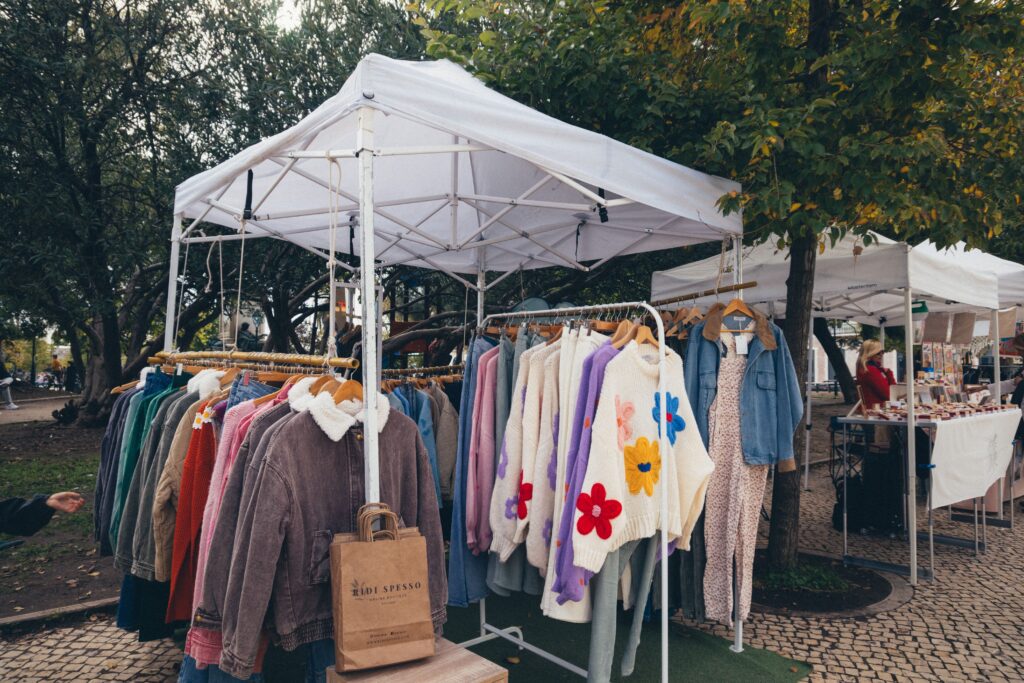
Use mannequins to demonstrate complete outfits, clothing racks to organize collections, and shelves to display folded garments and accessories. Place popular products or new arrivals in visible areas to attract attention.
Pay attention to lighting, mirrors, fitting areas, and walking space. Customers should be able to examine products, try on clothing when possible, and move comfortably around the store.
Avoid overcrowding your displays. A well-organized space makes products easier to appreciate and improves the overall shopping experience.
4. Manage Inventory and Stock Control
Having the right products available is essential to running a successful pop-up shop. Too little inventory may result in missed sales, while too much stock can increase costs and leave you with unsold products after the event.
Plan your stock carefully. Estimate how much inventory you need based on the event’s duration, expected foot traffic, product popularity, and available budget.
Review previous sales records if you have them. For a new clothing brand, use customer interest, pre-orders, social media engagement, and market research to estimate demand.
Bring a balanced selection of sizes, colors, and designs. Avoid focusing all your inventory on one product unless you have strong evidence that customers prefer it.
You should also prepare additional stock for popular items whenever storage and budget allow.
Track inventory throughout the event. Use a spreadsheet or inventory management system to record available stock, sales, returns, and restocking activities.
Organize products by category, size, and color so staff can quickly locate items. Check stock regularly, especially during busy periods.
Pay attention to which products sell quickly and which receive little attention. This information can help you adjust your displays, restock popular items, and make better purchasing decisions for future events.
After the pop-up shop closes, conduct a final inventory count to identify remaining stock and reconcile your sales records.
5. Promote Your Pop-Up Shop Before and During the Event
Even a well-planned pop-up shop needs effective marketing to attract visitors. Start promoting the event before opening day so potential customers know where to find you and what they can expect.
Promote the event before opening. Use your existing marketing channels to announce the date, location, operating hours, and products that customers can expect to see.
Consider using:
- Social media: Publish announcements, countdown posts, product previews, and short promotional videos.
- Email marketing: Send invitations and reminders to existing customers and subscribers.
- Influencer partnerships: Invite relevant fashion creators to visit, feature your products, or share the event with their followers.
- Local advertising: Distribute flyers, display posters, or work with nearby businesses to promote the event.
- Customer referrals: Encourage loyal customers to invite friends and family.
Include clear event details in every announcement. If possible, create a simple map or location guide so visitors can easily find your store.
Create an engaging in-store experience. Give customers a reason to visit and spend time exploring your products. You can offer exclusive promotions, limited-edition items, product customization, styling demonstrations, or special launch-day discounts.
For example, a clothing brand could release a limited-edition shirt exclusively at its pop-up shop. Another brand might offer free customization for selected purchases.
Encourage visitors to take photos, share their experience, and tag your brand on social media. These activities can generate additional exposure during the event.
Make sure promotions are clearly explained and that any discounts or special offers are included in your budget.
6. Engage Customers and Collect Feedback
Customer interaction is one of the biggest advantages of a pop-up shop. Unlike online shopping, a temporary retail space allows customers to see products in person, ask questions, and receive personalized assistance.
Provide personalized customer service. Train your staff to welcome visitors, explain product features, answer questions, and recommend items based on individual preferences.
For clothing brands, helpful staff can assist customers with sizing, fit, fabric details, and outfit combinations. They should also understand the brand’s story and be able to explain what makes the collection distinctive.
Avoid pressuring visitors to make purchases. Instead, create a friendly environment where customers feel comfortable exploring the products.
Collect customer feedback. Ask visitors about their experience, product preferences, pricing, and overall impression of your store.
You can collect feedback through short surveys, comment cards, QR codes, or social media questions. You may also encourage customers to join your mailing list so you can share future product releases and events.
Pay attention to recurring comments. If several visitors request additional sizes or express interest in a particular design, use that information when planning future collections.
After the event, review the feedback alongside your sales and traffic data. These insights can help you improve your products, customer service, store layout, and promotional strategies.
Conclusion
Running a successful pop-up shop requires careful planning, effective promotion, and a strong understanding of your customers. From selecting the right location and designing attractive displays to managing inventory and providing excellent service, every detail contributes to the success of your temporary retail space.
A pop-up shop is also more than a place to sell clothing. It is an opportunity to introduce your brand, test customer preferences, build relationships, and create memorable experiences.
By setting clear goals, preparing your operations, and learning from customer feedback, you can make the most of your pop-up shop and use the experience to support the long-term growth of your clothing brand.
Key Takeaways:
- Planning: Define clear objectives and set measurable goals for your pop-up shop.
- Location: Choose a strategic location with high visibility and foot traffic to attract your target audience.
- Branding: Maintain a cohesive brand identity through visual merchandising and eye-catching displays.
- Inventory: Manage stock levels effectively and track performance to meet customer demand.
- Marketing: Promote your pop-up shop through various channels and create engaging in-store experiences.
- Customer Engagement: Provide personalized interactions and collect feedback to enhance future pop-up shop experiences.
Enhance your pop-up shop skills with the Parsons Streetwear Essentials online course.