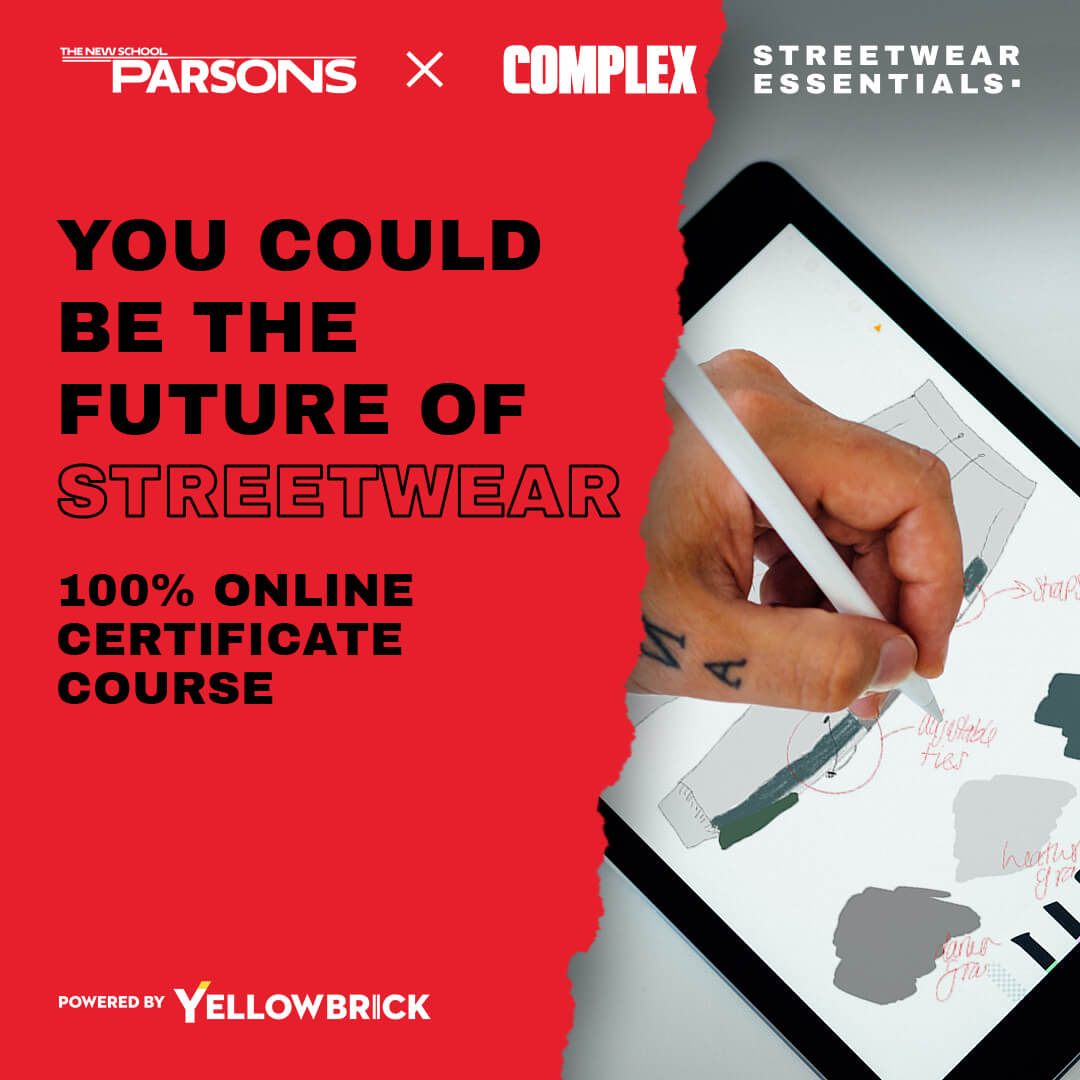
Starting a streetwear brand is an exciting opportunity to turn your creativity and passion for fashion into a business. From graphic T-shirts and oversized hoodies to statement jackets and accessories, streetwear allows you to express a unique identity through clothing. However, building a successful brand requires more than creating attractive designs. You also need to understand your audience, develop quality products, manage production costs, and establish a strong marketing strategy.
Whether you’re a designer, entrepreneur, or fashion enthusiast, this guide will walk you through the essential steps to launching your own streetwear brand, from developing your concept to selling your first collection.
1. Define Your Brand Identity
Your brand identity is the foundation of your streetwear business. It determines what your brand represents, who it serves, and how customers recognize it in a competitive market. A clear identity helps you create products and marketing materials that feel connected rather than random.
Concept Development
Start by identifying the central idea behind your brand. Think about the message you want your clothing to communicate and the lifestyle you want it to represent. Streetwear brands often draw inspiration from music, skateboarding, hip-hop, sports, art, local communities, and urban culture.
Choose a direction that reflects your interests while offering something distinctive to your target customers. For example, your brand might focus on minimalist streetwear, bold graphic designs, vintage-inspired clothing, oversized silhouettes, or designs influenced by Filipino street culture.
Develop a brand story that explains why your business exists and what makes it different. This story can guide your product designs, photography, packaging, and social media content.
Brand Name and Logo
Choose a brand name that is memorable, easy to pronounce, and appropriate for your intended audience. A good name should also work across different platforms, including your website, social media accounts, clothing labels, and packaging.
Before committing to a name, check whether it is already being used by another clothing business. Search online, review social media handles, and investigate relevant trademark databases. A name that is available as a social media username is not necessarily legally available for commercial use.
Your logo should reflect your brand’s personality and remain recognizable in different sizes. It might be a wordmark, symbol, monogram, or combination of these elements. Test how it looks on a T-shirt, hoodie, woven label, hangtag, and website.
Keep your visual identity consistent by choosing a defined color palette, typography, photography style, and graphic treatment. Consistency helps customers recognize your brand even before they read its name.
2. Conduct Market Research and Analysis
Market research helps you understand the streetwear industry, identify your competitors, and discover opportunities for your business. Instead of creating products based only on personal taste, use research to determine what potential customers want and what they might be willing to buy.
Industry Trends
Follow streetwear brands, fashion publications, online communities, and social media platforms to understand changing styles and consumer preferences. Pay attention to popular silhouettes, graphic treatments, fabric choices, collaborations, and ways brands present their collections.
However, avoid copying successful brands simply because their products are popular. Trends can provide inspiration, but your brand needs a recognizable identity that remains relevant even when specific styles lose popularity.
Study several competitors and examine their product ranges, prices, release schedules, promotional strategies, and customer feedback. Look for gaps that your brand could fill, such as better sizing options, locally inspired graphics, durable everyday basics, or distinctive designs at an accessible price.
Target Audience
Define the customers you want to serve. Consider their age range, interests, lifestyle, preferred clothing styles, spending habits, and shopping behavior.
For example, your target customers might be college students who prefer affordable graphic T-shirts, young professionals who wear minimalist streetwear, or fashion enthusiasts who collect limited-edition releases.
You can learn about these customers by conducting short surveys, interviewing potential buyers, reviewing online discussions, and observing the products they purchase. Ask what they like about existing brands, what frustrates them, and what would encourage them to try a new label.
Use this information to guide your product decisions, pricing, and marketing. A clear target audience makes it easier to create a collection that feels relevant to the people most likely to buy it.
3. Develop Your Products and Designs
Product development turns your brand concept into actual clothing. Your first collection should communicate your identity clearly without creating unnecessary complexity or excessive inventory.
Design Process
Begin with a focused collection rather than a large product range. You might launch with two graphic T-shirts, one oversized T-shirt, and a hoodie that share a consistent visual theme.
Create sketches, digital mockups, and reference boards to establish the appearance of each garment. Consider the silhouette, color, graphics, placement of logos, stitching, labels, and overall styling.
Think about how the products work together. A cohesive collection allows customers to combine different pieces while reinforcing your brand’s identity.
You can create designs yourself using illustration or graphic design software, collaborate with freelance designers, or hire a technical designer to prepare production-ready specifications. If you work with another designer, clarify ownership and permitted use of the artwork in a written agreement.
Before finalizing graphics, make sure you have permission to use any photographs, illustrations, fonts, logos, or other protected material that you did not create yourself. Avoid using another brand’s logo or copyrighted artwork without authorization.
Quality and Materials
The quality of your clothing affects comfort, durability, customer satisfaction, and repeat purchases. A visually impressive design may not be enough to earn customer loyalty if the garment shrinks excessively, loses its shape, or develops problems after washing.
Consider the fabric weight, fiber composition, softness, breathability, stretch, and expected durability. For T-shirts, you may compare different cotton fabrics and cotton blends. For hoodies, evaluate fabric thickness, fleece construction, ribbing, and the quality of the drawstrings and other trims.
Pay attention to fit as well. Streetwear often features oversized or relaxed silhouettes, but these styles still need deliberate proportions. Check the shoulder width, body length, sleeve length, neckline, and overall shape.
Prepare a size chart with actual garment measurements. If possible, have people with different body types test the fit before production. Accurate measurements and clear product descriptions can reduce customer complaints and returns.
4. Plan Manufacturing and Production
Choosing the right production method is one of the most important decisions you will make. Your options may include printing designs on ready-made garments, working with a cut-and-sew manufacturer, or using a print-on-demand service.
The best choice depends on your budget, design requirements, production volume, and desired level of control.
Sourcing Production Partners
Research manufacturers and suppliers that have experience producing the types of garments you need. Some specialize in screen printing, embroidery, or garment decoration, while others can produce clothing from scratch using your specifications.
When evaluating potential partners, ask about minimum order quantities, sample fees, production timelines, payment terms, available fabrics, quality-control procedures, and shipping arrangements.
Request examples of previous work and obtain written quotations. Compare suppliers based on quality, communication, reliability, and total cost rather than choosing solely on the lowest price.
If ethical sourcing and sustainability are important to your brand, ask suppliers about working conditions, material sourcing, waste management, and any certifications they hold. Verify claims where possible instead of relying entirely on promotional statements.
Sample Testing
Always request samples before committing to a large production run. A sample allows you to examine the garment’s construction, fit, colors, print quality, and overall appearance.
Try the garment on different body types when possible. Wash and dry it according to the care instructions to check for shrinkage, fading, cracking prints, loose stitching, or changes in shape.
Compare the finished sample with your original design specifications. If the fabric feels too thin, the print placement is incorrect, or the sizing is inconsistent, communicate the necessary changes before approving production.
Keep an approved sample as a reference for future manufacturing runs. This helps you and your supplier maintain consistency as your business grows.
5. Build Your Branding and Marketing Strategy
A streetwear brand needs more than attractive clothing. Customers should understand its identity, recognize its products, and have a reason to follow its development.
Brand Promotion
Develop a consistent visual identity across your website, social media accounts, packaging, product photography, and promotional materials.
Social media platforms such as Instagram, TikTok, and Facebook can help you showcase your designs, share styling ideas, introduce new collections, and connect with potential customers. Choose platforms based on where your target audience spends time rather than trying to maintain every channel at once.
Create content that shows the personality behind the brand. You could share behind-the-scenes videos of sample development, outfit combinations, design sketches, photoshoots, or the story behind a particular graphic.
Collaborations can also help introduce your brand to new audiences. Consider working with local photographers, artists, musicians, skaters, or content creators whose style aligns with your identity. Start with partnerships that offer a clear benefit to both sides.
You can organize a launch campaign by revealing the collection gradually, sharing product details, and announcing the release date in advance. Avoid relying entirely on paid advertising before you understand which products and messages attract genuine interest.
E-Commerce Platform
An online store gives customers a central place to explore your products, review sizing information, and place orders. You can use an established e-commerce platform or another suitable online selling channel based on your budget and technical needs.
Your store should include clear product photographs, accurate descriptions, available sizes, fabric details, care instructions, prices, shipping information, and a straightforward checkout process.
Make sure the website works well on mobile devices, since many customers discover clothing through social media on their phones. Test the purchasing process before launch, including payment, order confirmation, shipping information, and customer notifications.
Include clear policies for returns, exchanges, cancellations, and privacy. If you sell in the Philippines, review the applicable business registration, consumer protection, tax, and online selling requirements before accepting orders.
6. Establish Sales and Distribution Channels
Once your products are ready, decide how customers will purchase them and how you will deliver their orders. A thoughtful distribution strategy helps you control costs while making your brand accessible to the right audience.
Retail Partnerships
Independent boutiques and streetwear stores may be interested in carrying distinctive emerging brands. Research shops whose customers and product styles align with your collection.
Prepare a professional presentation that includes your brand story, product photographs, wholesale prices, suggested retail prices, size ranges, and ordering terms. Retailers need enough information to determine whether your products fit their business.
You can also explore local fashion markets, pop-up shops, school or community events where permitted, and creative trade events. These opportunities allow customers to see the garments in person and give you direct feedback about fit, fabric, and pricing.
Before agreeing to wholesale orders, calculate whether the price leaves enough room for your business to cover production, packaging, operating expenses, and profit. Selling through retailers may increase exposure, but wholesale pricing is usually lower than direct-to-consumer pricing.
Direct-to-Consumer Sales
Selling directly to customers through your online store or pop-up shop gives you greater control over the shopping experience and customer relationships.
Direct sales also help you collect useful feedback about product preferences, common sizing questions, popular designs, and repeat purchases. Use this information to improve future releases.
Build customer loyalty through reliable service, accurate product descriptions, careful packaging, and timely updates about orders. Encourage customers to share how they style your clothing, but obtain permission before using their photos in promotional materials.
You can also test limited releases or preorders to estimate demand before producing larger quantities. If you offer preorders, clearly disclose the expected shipping date and communicate any delays. Never promise a delivery schedule you cannot reasonably meet.
7. Create a Financial Plan and Budget
A realistic financial plan helps you determine how much money you need, how to price your products, and how to avoid spending too much before your brand has established demand.
Budget Allocation
List the expenses involved in launching your brand. These may include design work, samples, fabric and garment production, printing, labels, packaging, photography, website fees, business registration, marketing, shipping supplies, and payment processing.
Set aside money for unexpected expenses and production revisions. Costs can change when you adjust a design, replace defective products, or discover that shipping and packaging are more expensive than expected.
Track every expense and keep business transactions separate from personal spending where possible. Use a spreadsheet or accounting system to record purchases, sales, inventory, and outstanding payments.
Calculate your total product cost before setting a retail price. For example, if a T-shirt costs ₱250 to produce, that amount alone does not represent the full cost of selling it. You may also need to account for packaging, payment fees, marketing, shipping subsidies, and other operating expenses.
A pricing formula based on total costs and your desired profit margin can help you evaluate whether a product is financially sustainable. Remember that revenue is not the same as profit, and money received from customers may still be needed to pay suppliers and other business expenses.
Funding Options
You can finance your streetwear brand through personal savings, contributions from business partners, crowdfunding, or eligible small-business financing. Each option has different risks and responsibilities.
Starting with a small collection may reduce the amount of money you need upfront. You can test demand with a limited release, use made-to-order production where practical, or work with a print-on-demand provider while learning which designs sell best.
If you consider borrowing money, calculate the repayment schedule and determine whether expected sales can reasonably cover the payments. Avoid taking on substantial debt before you have evidence that customers want your products.
In the Philippines, review the business registration and tax requirements that apply to your business structure and location. You may also seek guidance from relevant government agencies or qualified professionals before making major financial commitments.
8. Launch Your First Collection
Your launch is the point where your preparation becomes a real business offering. A clear plan helps you coordinate product availability, marketing, order processing, and customer service.
Start by confirming that your samples are approved, production quantities are accurate, product photographs are ready, prices are final, and your online store has been tested. Check that the size chart, shipping rates, return policy, and payment methods are clearly displayed.
Build anticipation before release by sharing previews, styling photographs, behind-the-scenes content, and the launch date. Give customers enough information to understand the collection without making promises that your production schedule cannot support.
On launch day, monitor orders, respond to questions, and keep track of inventory. If a product sells out, communicate its availability clearly rather than accepting orders you cannot fulfill.
After the launch, review sales and customer feedback. Identify which products attracted the most interest, which sizes sold quickly, and where customers encountered problems. Use those findings to guide your next release.
9. Measure Performance and Improve Your Brand
Launching your first collection is only the beginning. Long-term growth depends on learning from customer behavior and improving your products, operations, and marketing over time.
Track useful business measures such as total sales, profit margins, website visits, conversion rates, average order value, return rates, and repeat purchases. These figures help you understand whether your brand is attracting customers and generating sustainable income.
Pay attention to customer feedback about fabric quality, fit, pricing, packaging, and delivery. Look for repeated patterns rather than changing your entire product strategy because of one comment.
Review your inventory regularly to avoid producing too much of a slow-selling design. When a product performs well, investigate why it succeeded before deciding whether to restock it or create a related design.
As your business grows, improve your systems for inventory management, supplier communication, order fulfillment, and customer service. Growth should be supported by reliable operations, not just an increasing number of followers.
Conclusion
Starting a streetwear brand requires creativity, careful planning, and a willingness to learn from experience. You need a clear identity, a strong understanding of your target audience, quality products, reliable production partners, and a financial plan that supports sustainable growth.
You do not need to launch with a large collection or an expensive storefront. Begin with a focused concept, test your products, listen to customers, and improve your approach with each release. By combining original design with sound business decisions, you can build a streetwear brand that stands out and develops a loyal customer base.
Key Takeaways:
- Define a clear brand identity that reflects your vision and connects with a specific audience.
- Research competitors and customer preferences before investing heavily in product development.
- Start with a focused collection that demonstrates your brand’s unique style.
- Test garment samples carefully to check quality, fit, durability, and construction.
- Choose production partners based on reliability, quality, communication, and total cost.
- Build awareness through consistent branding, useful social media content, and relevant collaborations.
- Make purchasing easy with clear product information, reliable payment options, and transparent policies.
- Calculate all business costs before setting prices or committing to large production runs.
- Use customer feedback and sales data to improve future collections and manage inventory.
- Grow your business gradually while protecting product quality, customer trust, and financial stability.
Enhance your streetwear brand knowledge with Parsons Streetwear Essentials for expert insights.