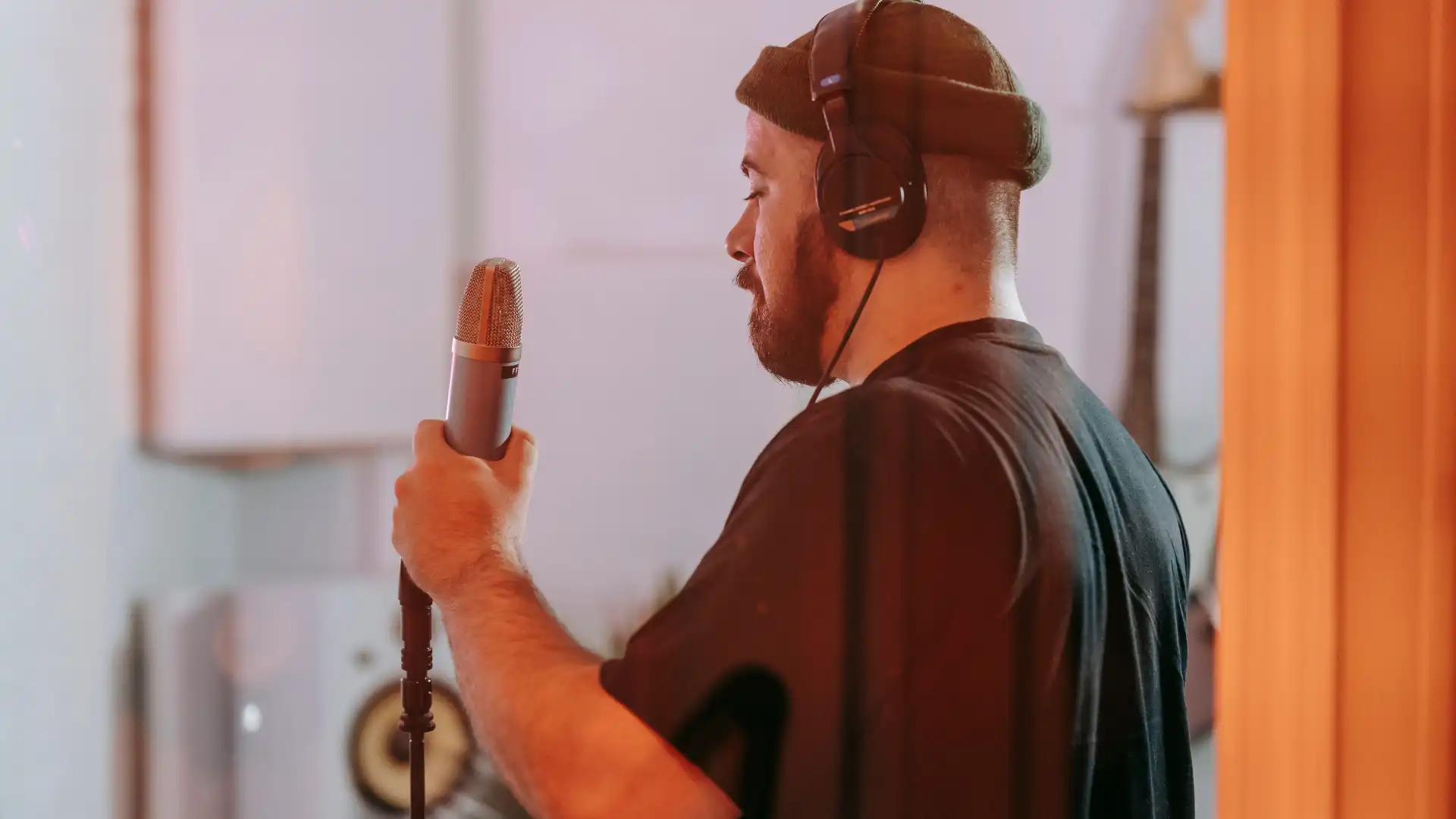
singers and musicians identify intervals, reproduce melodies, recognize chords, and sing or play music more accurately. Unlike perfect pitch, which involves identifying a note without a reference, relative pitch relies on comparing notes and understanding how they relate to one another.
Developing relative pitch takes consistent listening, singing, and practice. Whether you are a beginner or an experienced musician, the following techniques can help you strengthen your musical ear and improve your overall performance.
1. Practice Ear Training Exercises
Ear training helps you recognize musical patterns and distinguish the relationships between notes. Regular exercises train your ears to identify intervals, chords, and melodies more accurately.
- Recognize Intervals: Practice identifying the distance between two notes. Begin with familiar intervals, such as octaves, perfect fifths, and major thirds, before progressing to more challenging intervals.
- Identify Chords: Listen to major, minor, augmented, and diminished chords. Focus on the differences in their sounds and practice identifying them without looking at the instrument.
- Practice Melodic Dictation: Listen to a short melody and try to reproduce it by singing or writing down the notes. Start with simple melodies before working with longer musical passages.
2. Use Solfege and Scale Practice
Solfege and scales help you understand how notes function within a musical key. These techniques are especially useful for singers because they connect listening skills with vocal production.
- Practice Solfege Singing: Sing using the syllables Do, Re, Mi, Fa, Sol, La, and Ti. Practice moving between scale degrees to recognize the relationships among notes. Movable-do solfege is particularly useful for understanding these relationships across different keys.
- Sing Scales in Different Keys: Practice major and minor scales using a piano, keyboard, or another instrument as a reference. Singing in different keys helps you recognize familiar patterns regardless of the starting note.
- Explore Harmonic Context: Sing scale notes over simple chord progressions. Listen to how each note sounds against the accompanying chord and notice which notes feel stable or create tension.
3. Transcribe Music and Repeat Musical Phrases
Transcription involves listening to music and reproducing its notes or musical patterns. It strengthens your ability to connect what you hear with what you sing, play, or write.
- Transcribe Simple Melodies: Choose a familiar song or a short musical phrase. Listen carefully, identify the starting note using a reference instrument if needed, and work out the remaining notes by comparing their pitch relationships.
- Repeat Musical Phrases: Listen to short sections of music several times, then sing or play them from memory. Gradually increase the length and complexity of the phrases as your skills improve.
- Analyze Musical Patterns: Break longer passages into smaller sections. Identify repeated notes, ascending and descending intervals, melodic patterns, and chord changes before attempting to reproduce the entire passage.
4. Strengthen Singing and Aural Skills
Singing is one of the most practical ways to develop relative pitch because it allows you to hear a musical relationship and reproduce it with your voice. Combining singing with other listening activities can improve both accuracy and musical understanding.
- Sing Intervals and Melodies: Use a piano or another reliable pitch source to play two notes. Listen to the interval, then sing both notes. Gradually practice singing intervals without hearing them played first.
- Develop Sight-Singing Skills: Read simple musical notation and sing the notes using solfege. This helps connect written music with the sounds you hear internally.
- Practice Harmonic Listening: Listen to two or more notes played together. Try to identify the chord quality, follow the movement of the bass line, or sing one note from the chord.
- Work With a Practice Partner: Take turns playing or singing short musical phrases for each other to repeat. You can also quiz each other on intervals, melodies, and chord qualities.
5. Use Instruments and Digital Ear-Training Tools
Instruments and digital resources can make ear training more organized and interactive. They provide immediate references and allow you to check whether your answers are accurate.
- Use a Keyboard or Piano: Play two notes and practice singing the interval between them. A keyboard is useful because it provides a clear visual and auditory reference for pitch relationships.
- Try Ear-Training Apps: Use apps or online exercises that focus on interval recognition, chord identification, melodic dictation, and pitch matching. Begin with easier levels and increase the difficulty as you improve.
- Record Your Practice: Record yourself singing intervals or melodies, then compare your performance with the original notes. Listen for inaccurate pitches and repeat the exercise carefully.
- Practice Without Visual Cues: After learning an exercise with an instrument or app, try repeating it using only your ears. This helps you become less dependent on visual references.
6. Develop Consistent Listening Habits
Relative pitch improves when you pay attention to the musical relationships in everyday listening. Active listening encourages you to notice details that you might otherwise overlook.
- Listen Actively to Songs: Choose a familiar song and focus on its melody, intervals, bass line, or chord progression. Try to identify how the notes move rather than simply enjoying the overall sound.
- Sing Along With Recordings: Sing a melody along with a recording, then pause the music and continue singing from memory. Return to the recording to check whether you maintained the correct pitch relationships.
- Compare Different Versions: Listen to the same melody performed in different keys or by different instruments. Notice that the absolute pitches may change while the relationships between the notes remain similar.
- Explore Different Musical Genres: Listen to pop, jazz, classical, folk, and other styles. Different genres expose you to varied melodic patterns, harmonies, and musical structures.
7. Create a Regular Ear-Training Routine
Consistent practice is more effective than occasional, lengthy sessions. A short daily routine allows you to review familiar skills while gradually introducing more difficult exercises.
- Set a Daily Practice Time: Aim for 10–15 minutes of focused ear training each day. Adjust the duration according to your schedule and concentration level.
- Focus on One Skill at a Time: Spend one session identifying intervals, another singing scales, and another transcribing melodies. This helps you identify which skills need more attention.
- Track Your Progress: Keep a record of the exercises you complete and the intervals or chords you can identify accurately. Review your results weekly to determine what to practice next.
- Increase Difficulty Gradually: Begin with two-note intervals and short melodies before moving to chord progressions and longer musical passages. Avoid rushing into difficult exercises before you understand the basics.
Conclusion
Developing relative pitch is a gradual process that combines careful listening, singing, repetition, and consistent ear training. By practicing intervals, using solfege, transcribing melodies, and exploring different musical patterns, you can become more accurate at recognizing and reproducing musical relationships.
The key is to practice regularly and check your accuracy along the way. Over time, relative pitch can help you learn songs faster, sing more confidently, play by ear, and communicate more effectively with other musicians.
Key Takeaways:
- Practice interval and chord recognition, and melodic dictation to enhance your relative pitch.
- Utilize solfege singing and scale exercises to improve pitch accuracy and tonal relationships.
- Transcribe music, repeat phrases, and analyze melodies to refine your listening skills.
- Develop pitch accuracy through singing practice, aural skills exercises, and collaborative partner practice.
Enhance your musical ear with the Juilliard Voice Performance Fundamentals online course.