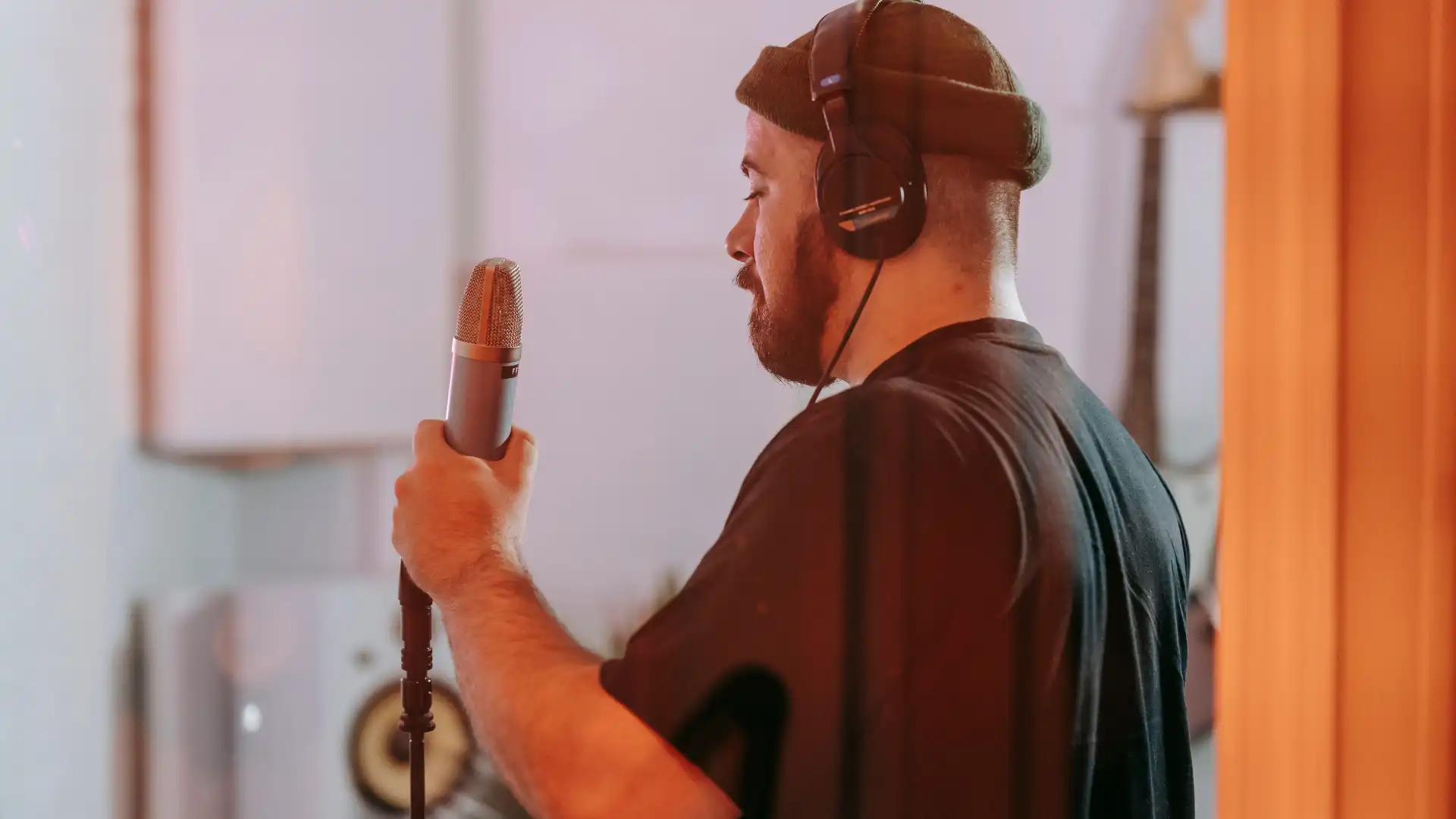
Choosing the right singing teacher is an important step in developing your vocal skills and growing as a performer. A good instructor can help you improve your pitch, breathing, vocal control, and confidence while guiding you toward your musical goals.
However, not every singing teacher will be the right fit for you. Finding the best instructor requires careful research, an understanding of your needs, and an evaluation of the teacher’s experience and teaching approach. The following steps can help you choose a singing teacher who supports your progress and makes learning enjoyable.
1. Define Your Goals and Needs
Before looking for a singing teacher, identify what you want to achieve. Having clear goals will help you find an instructor whose skills and teaching methods match your needs.
- Assess Your Objectives: Determine whether you want to improve vocal technique, prepare for auditions, develop your performance skills, or sing simply for enjoyment.
- Identify Your Musical Style: Consider the genres you want to explore, such as classical, pop, jazz, rock, or musical theater. A teacher familiar with your preferred style can provide more relevant guidance.
- Evaluate Your Schedule: Consider your availability for lessons and practice. Choose a teacher whose schedule allows you to attend regularly and maintain consistent progress.
2. Research Potential Teachers
Once you understand your goals, begin researching potential instructors. Looking at several options allows you to compare their qualifications, experience, teaching methods, and availability.
- Seek Recommendations: Ask fellow singers, musicians, music teachers, or music schools for recommendations. Personal referrals can help you find instructors with a good reputation.
- Explore Online Platforms: Check music teacher directories, professional websites, and social media groups. Read reviews and examine the teacher’s background, lesson offerings, and experience.
- Attend Performances and Workshops: Join local music workshops, masterclasses, or vocal performances when possible. These events can introduce you to experienced instructors and give you an idea of their musical knowledge.
3. Interview Teachers and Try Trial Lessons
Meeting a potential teacher before committing to regular lessons helps you determine whether the instructor’s personality, communication style, and methods suit your needs.
- Schedule an Interview: Arrange a short meeting or phone call to discuss your goals, the teacher’s experience, lesson arrangements, and expectations.
- Take a Trial Lesson: If available, book a trial session to experience the teacher’s approach firsthand. Notice whether the instructions are clear, the exercises are appropriate, and the feedback helps you understand what to improve.
- Ask Relevant Questions: Ask about the teacher’s training, teaching experience, lesson structure, practice expectations, and methods for tracking student progress.
4. Consider the Teacher’s Approach and Style
A teacher’s approach can significantly influence your learning experience. Choose an instructor who understands your needs, explains techniques clearly, and creates a supportive environment.
- Evaluate the Teaching Method: Some instructors emphasize vocal technique, while others focus more on performance, musical interpretation, or a combination of these areas. Choose an approach that supports your goals.
- Observe Communication Skills: Look for a teacher who explains concepts clearly, listens to your concerns, and provides specific, constructive feedback rather than criticism that leaves you confused.
- Look for Adaptability: A good teacher adjusts exercises and lesson plans according to your vocal range, current abilities, learning pace, and musical interests.
5. Evaluate Student Progress and Testimonials
Student experiences can provide useful information about a teacher’s effectiveness. However, consider overall teaching quality and individual progress rather than relying only on awards or impressive performances.
- Review Student Achievements: Ask about the progress of former students, including improvements in vocal technique, confidence, audition preparation, and performance skills.
- Read Testimonials and Reviews: Look for feedback about the teacher’s professionalism, patience, communication, and ability to help students reach their goals. Consider both positive and negative reviews carefully.
- Observe Student Performances: If opportunities are available, attend recitals or concerts featuring the teacher’s students. Notice their musical development and confidence, while remembering that each student progresses at a different pace.
6. Consider the Cost and Lesson Arrangements
The best singing teacher should fit not only your musical goals but also your budget and practical needs. Understanding the lesson arrangements beforehand helps prevent misunderstandings later.
- Compare Lesson Fees: Check the cost of individual lessons, lesson packages, and any additional fees. A higher price does not automatically mean better teaching.
- Check Lesson Formats: Decide whether you prefer face-to-face lessons, online sessions, or a combination of both. Consider your internet connection, available equipment, and learning preferences when choosing online instruction.
- Understand the Policies: Ask about cancellations, rescheduling, payment methods, and lesson duration. Clear policies make it easier to maintain a consistent learning routine.
7. Look for a Supportive and Professional Environment
Learning to sing involves experimentation, mistakes, and gradual improvement. A supportive teacher helps you develop your abilities without making you feel embarrassed or discouraged.
- Choose a Respectful Instructor: Find someone who treats you professionally, respects your goals, and encourages questions throughout the learning process.
- Look for Constructive Feedback: A good teacher identifies areas for improvement and provides practical exercises to address them. Feedback should help you understand what to do differently.
- Prioritize Vocal Safety: Choose an instructor who teaches healthy vocal habits, respects your physical limits, and does not encourage you to push through pain or persistent hoarseness.
8. Monitor Your Progress and Reassess Your Choice
Choosing a singing teacher is not necessarily a permanent decision. As your skills and goals develop, you may need to evaluate whether your lessons continue to meet your needs.
- Set Measurable Goals: Work with your teacher to establish realistic targets, such as improving pitch accuracy, developing breath control, expanding your comfortable range, or preparing a song for performance.
- Review Your Improvement: Regularly reflect on your progress and discuss your strengths and challenges with your instructor. Recording practice sessions, when appropriate, can help you notice changes over time.
- Communicate Your Needs: If a particular exercise or teaching method is not helping, discuss it respectfully. A responsive teacher should be willing to explain the purpose of an exercise or explore an appropriate alternative.
- Consider Other Options When Necessary: If you consistently feel unsupported, your concerns are dismissed, or your lessons no longer align with your goals, consider trying another instructor.
Conclusion
Choosing the right singing teacher requires more than finding someone with an impressive voice or a long list of qualifications. The best instructor is someone who understands your goals, communicates effectively, adapts to your needs, and helps you develop healthy vocal habits.
Take time to research teachers, ask questions, and attend trial lessons before making a decision. With the right guidance and consistent practice, you can strengthen your voice, build confidence, and enjoy a more rewarding singing journey.
Key Takeaways:
- Clarify your objectives and musical style preferences before selecting a singing teacher.
- Seek recommendations, attend performances, and conduct trial lessons to find the right fit.
- Choose a teacher with a compatible teaching style and effective communication skills.
- Review student achievements, testimonials, and observe student progress to assess the teacher’s impact.
Enhance your singing journey with the Juilliard Voice Performance Fundamentals online course.