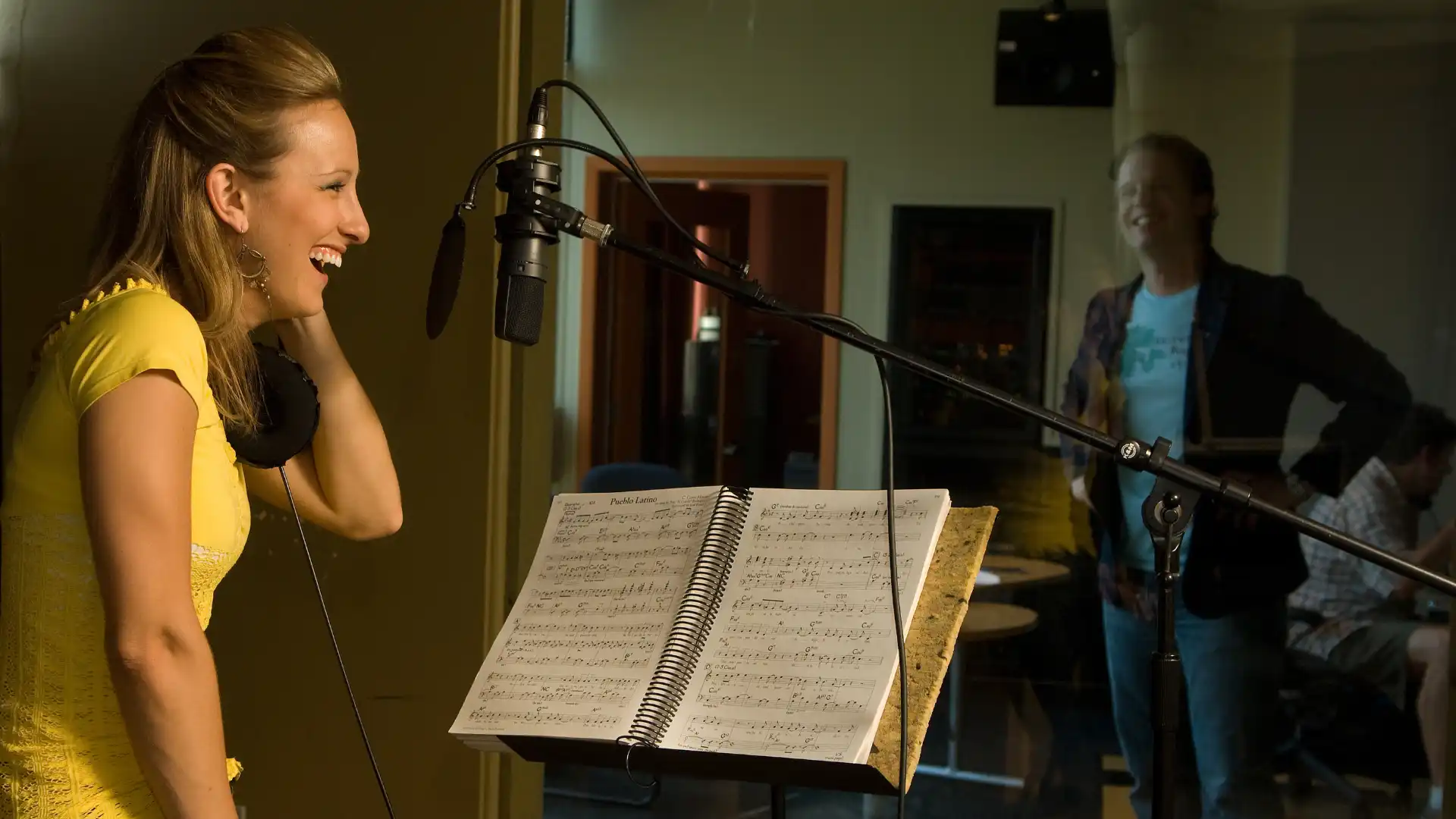
Preparing for a singing audition requires more than having a good voice. You also need to choose suitable songs, develop reliable vocal technique, manage nervousness, and communicate confidently with the audition panel. Whether you are auditioning for a choir, musical theater production, talent competition, or professional opportunity, careful preparation can help you present your abilities effectively.
Although no audition guarantees a particular outcome, you can improve your chances of delivering a strong performance by focusing on the elements within your control. The following strategies will help you prepare your voice, strengthen your confidence, and approach your audition with a clear plan.
1. Select the Right Audition Repertoire
Your song choices can influence how the audition panel understands your vocal abilities, musical style, and artistic personality. Choose material that suits your current skills and allows you to demonstrate your strengths without unnecessary vocal strain.
- Choose Suitable Songs: Select songs that fit your comfortable vocal range and highlight your strengths in pitch, tone, phrasing, and expression. Avoid choosing a song simply because it is popular or difficult.
- Follow the Audition Requirements: Check whether the audition specifies a genre, language, song length, number of selections, or accompaniment format. Following instructions demonstrates professionalism.
- Show Your Musical Strengths: If you are allowed to perform more than one selection, choose contrasting songs that reveal different aspects of your voice, such as lyrical expression and rhythmic precision.
- Practice With Accompaniment: Rehearse with a pianist or suitable backing track so you can maintain the correct tempo, follow musical cues, and stay in tune.
2. Prepare Your Voice Properly
Your voice needs consistent training and appropriate care before an audition. The goal is to arrive with a voice that feels comfortable, responsive, and ready for the demands of your selected songs.
- Establish a Warm-Up Routine: Use gentle humming, lip trills, scales, and other appropriate exercises to prepare your voice gradually.
- Practice Specific Vocal Challenges: Identify difficult notes, transitions, sustained phrases, and dynamic changes in your audition songs. Work on these sections carefully rather than repeatedly singing the entire song at full intensity.
- Stay Hydrated: Drink water regularly in the days leading up to the audition. Consistent hydration supports normal vocal function.
- Get Adequate Rest: Maintain a reasonable sleep schedule and avoid excessive singing, shouting, or prolonged loud conversations before the audition.
3. Build Performance Confidence and Stage Presence
Technical ability is important, but the way you present yourself also contributes to the overall impression you make. Confidence develops through preparation and repeated opportunities to perform.
- Practice in Front of Others: Perform for friends, family members, teachers, or fellow musicians before the actual audition. This helps you become more comfortable singing while being observed.
- Maintain Relaxed Body Language: Stand with balanced posture, relaxed shoulders, and a comfortable facial expression. Avoid rigid movements that interfere with natural singing.
- Use Appropriate Eye Contact: Look toward the audition panel when appropriate, especially during expressive moments. If direct eye contact feels distracting, focus on a comfortable point near the panel.
- Communicate the Song’s Meaning: Think about the emotions, message, and story behind the lyrics. A meaningful interpretation can make your performance more engaging than simply concentrating on hitting the notes.
4. Prepare Mentally and Manage Nervousness
Feeling nervous before an audition is normal, even for experienced singers. Mental preparation helps you direct your attention toward the music instead of becoming overwhelmed by worries about the outcome.
- Visualize a Successful Performance: Imagine yourself entering the room calmly, beginning the song confidently, and completing the performance with focus. Include realistic details such as standing in position and responding to the accompanist.
- Practice Slow Breathing: Before entering the audition room, take a few slow, comfortable breaths. Avoid forcing deep breaths or holding them for too long.
- Use Positive but Realistic Self-Talk: Remind yourself that you have prepared and can perform to the best of your ability. Instead of expecting perfection, focus on delivering a controlled and expressive performance.
- Stay Focused on the Music: If nervous thoughts appear, redirect your attention to the lyrics, rhythm, phrasing, and emotional message of the song.
5. Rehearse Under Audition Conditions
Practicing in conditions similar to the actual audition can help you identify problems before they happen. It also prepares you to continue performing even when you feel nervous or make a mistake.
- Perform Without Stopping: Rehearse the entire audition piece from beginning to end. If you make a small mistake, continue singing rather than restarting immediately.
- Practice Your Introduction: If the audition requires you to introduce yourself or announce your song, rehearse a brief and clear introduction.
- Use the Expected Accompaniment: Practice with the appropriate key, tempo, and backing arrangement. If a pianist will accompany you, become familiar with the musical introduction and ending.
- Record Mock Auditions: Record yourself performing under realistic conditions. Review your pitch, rhythm, diction, posture, expression, and overall delivery.
6. Understand the Audition Process
Knowing what to expect can reduce uncertainty and help you prepare more efficiently. Audition procedures vary, so always follow the instructions provided by the organizers.
- Review the Guidelines: Confirm the audition date, location, time, repertoire requirements, time limit, and any restrictions on accompaniment.
- Prepare Your Materials: Bring requested sheet music, identification, forms, or other required documents. If using printed music, make sure it is clearly organized and easy for an accompanist to read.
- Arrive Early: Give yourself enough time to check in, become familiar with the surroundings, and complete a gentle warm-up if permitted.
- Dress Appropriately: Choose clean, comfortable clothing suitable for the audition setting. Avoid outfits or footwear that restrict breathing, movement, or concentration.
7. Make a Strong First Impression
The audition begins before you sing your first note. Professional behavior, preparation, and respectful communication can help create a positive overall impression.
- Enter Calmly: Walk into the room with a comfortable posture and acknowledge the panel politely.
- Introduce Yourself Clearly: State your name and the title of your selection if requested. Keep your introduction concise and professional.
- Communicate With the Accompanist: If working with a pianist, establish the tempo and indicate the beginning of the song clearly when appropriate.
- Follow Instructions: Listen carefully to the panel. If you are asked to begin at a specific section, change the tempo, or stop at a certain point, respond professionally.
8. Handle Mistakes With Composure
No singer performs perfectly every time. What matters is how you respond when something unexpected happens during the audition.
- Continue After Small Mistakes: If you miss a note or briefly lose your place, return to the music as smoothly as possible rather than allowing one error to disrupt the entire performance.
- Avoid Apologizing Repeatedly: Unless the panel asks you to restart or a serious problem prevents you from continuing, maintain your focus and complete the performance.
- Prepare Recovery Strategies: Practice what you will do if you forget a lyric, lose your place, or miss an entrance. Familiarity with recovery techniques can reduce anxiety.
- Learn From the Experience: After the audition, identify what went well and what you would change next time. Treat mistakes as useful information rather than proof that you lack ability.
9. Receive and Apply Feedback
Feedback can help you understand your strengths and identify areas that need further development. Even when the audition does not produce the result you hoped for, the experience can contribute to your growth.
- Listen With an Open Mind: Consider constructive comments about pitch, diction, tone, musical interpretation, or stage presence without immediately becoming defensive.
- Identify Specific Improvements: Turn general feedback into practical goals. For example, if your phrasing needs improvement, practice dividing the song into meaningful musical phrases.
- Work With a Vocal Coach: A qualified vocal coach can help you address technical weaknesses and select repertoire appropriate to your abilities and goals.
- Continue Training: Regular lessons, focused practice, and performance experience will help you become better prepared for future opportunities.
10. Evaluate Your Performance and Prepare for the Next Opportunity
An audition is not only an opportunity to demonstrate your skills; it is also a chance to learn about yourself as a performer. Reviewing your experience helps you make better decisions as you continue training.
- Reflect on Your Preparation: Consider whether your song choices, rehearsal schedule, and warm-up routine were effective.
- Identify Your Strongest Moments: Recognize the parts of the audition where you demonstrated good control, expression, confidence, or musical understanding.
- Set New Goals: Choose one or two specific areas to improve before your next audition rather than trying to change everything at once.
- Keep Auditioning When Appropriate: Each suitable audition provides another opportunity to gain experience, build confidence, and learn how different panels and performance environments work.
Conclusion
Preparing for a singing audition involves choosing suitable repertoire, maintaining vocal health, practicing consistently, developing confidence, and understanding the audition process. These elements work together to help you deliver a performance that reflects your abilities and musical personality.
Remember that a successful audition is not defined solely by whether you are selected. Every audition can provide valuable experience and help you identify areas for improvement. Focus on what you can control, trust your preparation, and communicate the music with sincerity.
Key Takeaways:
- Choose songs wisely, showcase versatility, and practice with accompaniment.
- Establish a warm-up routine, include vocal exercises, and prioritize hydration and rest.
- Build confidence, enhance stage presence, and make eye contact for connection.
- Visualize success, manage nerves, and stay focused on your performance.
- Embrace criticism, implement feedback, and commit to continuous learning and improvement.
Enhance your audition readiness with the Juilliard Voice Performance Fundamentals online course.