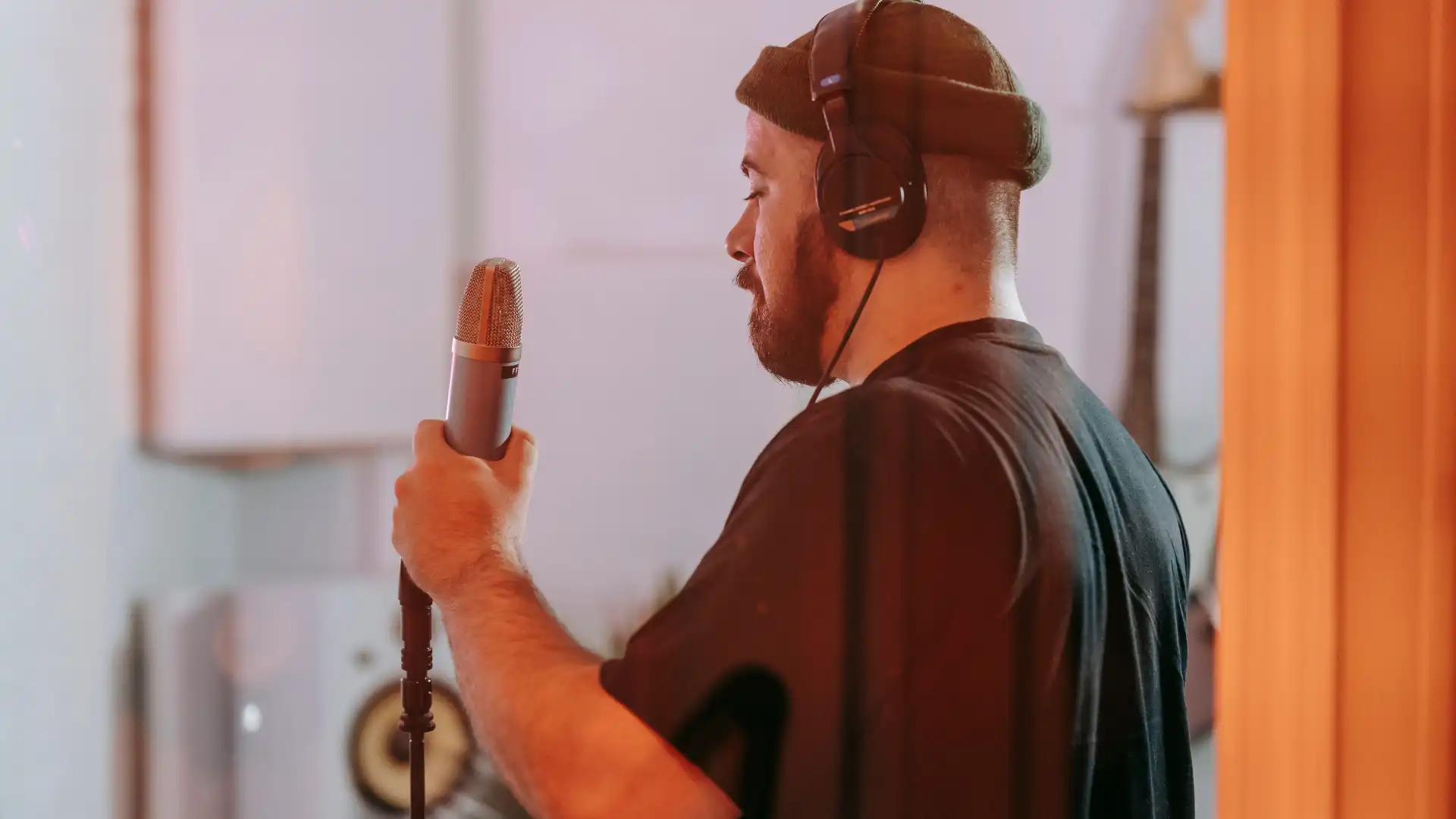
Stage fright is a common challenge among singers. Even experienced performers can feel nervous before stepping onto a stage, especially when the performance is important or the audience is unfamiliar. Nervousness does not necessarily mean that you are unprepared or lacking confidence.
The goal is not always to eliminate nervousness completely. Instead, you can learn to manage your physical reactions, redirect anxious thoughts, and use your energy to support your performance. With preparation and repeated experience, performing in front of others can become much more comfortable.
1. Preparation Is Key
Thorough preparation is one of the most effective ways to reduce performance anxiety. When you know your material well, you can rely on your preparation instead of worrying about every possible mistake.
- Rehearse Regularly: Practice your songs, lyrics, entrances, movements, microphone technique, and performance routine. Repetition helps make important parts of the performance more automatic.
- Practice the Difficult Parts: Spend extra time on challenging notes, transitions, harmonies, lyrics, and sections where you are most likely to make mistakes.
- Familiarize Yourself With the Venue: If possible, visit the performance space beforehand. Knowing where you will stand, how the stage looks, and where the audience will be can make the environment feel less unfamiliar.
- Visualize Success: Imagine yourself entering the stage calmly, performing the song successfully, and connecting with the audience. Visualization can help you mentally rehearse the experience before it happens.
2. Use Breathing and Relaxation Techniques
Stage fright often produces physical symptoms such as a racing heart, tense muscles, shallow breathing, or shaky hands. Learning to regulate these reactions can help you feel more in control.
- Practice Slow Breathing: Before performing, take slow, comfortable breaths and focus on keeping your breathing steady. Avoid taking excessively deep breaths that make you feel light-headed.
- Relax Your Muscles: Check your shoulders, jaw, neck, and hands for unnecessary tension. Gently release these areas before going on stage.
- Use Mindfulness: Focus your attention on what is happening in the present moment instead of imagining everything that could go wrong.
- Create a Pre-Performance Routine: Develop a simple routine involving breathing, stretching, vocal warm-ups, and mental preparation. Repeating the same routine can provide a sense of familiarity before performances.
3. Use Positive Self-Talk and Affirmations
Anxiety can become stronger when negative thoughts are repeated in your mind. Learning to recognize and replace unhelpful thoughts can change the way you approach performance situations.
- Challenge Negative Thoughts: Instead of thinking, “I am going to mess up,” replace the thought with something more realistic, such as, “I have practiced this song and I can handle mistakes if they happen.”
- Remind Yourself of Your Preparation: Think about the work you have already done. Your rehearsals, vocal exercises, and previous performances are evidence that you are capable of performing.
- Focus on Growth: Treat each performance as an opportunity to gain experience. You do not need every performance to be perfect in order to improve.
- Avoid Catastrophizing: A missed note or forgotten lyric may feel significant to you, but audiences often notice much less than performers expect. Continue with the performance instead of allowing one mistake to control the rest of the song.
4. Shift Your Focus From Yourself to the Music
One reason stage fright can feel overwhelming is that singers may become overly focused on how they look or sound to other people. Redirecting your attention toward the music can reduce this self-consciousness.
- Focus on the Message: Think about what the song is communicating and what you want the audience to feel.
- Tell the Story: Approach the lyrics as a story rather than simply a sequence of words and notes. Emotional connection can make your performance feel more natural.
- Concentrate on Musical Cues: Focus on rhythm, phrasing, melody, dynamics, and the musical arrangement. Having specific musical points to concentrate on can help keep your mind engaged.
5. Engage With the Audience
Connecting with the audience can transform a performance from something you are being judged on into an experience you are sharing with others.
- Make Appropriate Eye Contact: Look toward different areas of the audience rather than staring at the floor or focusing on a single person.
- Use Natural Body Language: Allow your posture, facial expressions, and movements to reflect the emotion of the song. Avoid forcing movements simply because you think you need to “look confident.”
- Connect Emotionally: Communicate the feeling and meaning of the song through your voice. Genuine emotional expression can create a stronger connection than trying to perform perfectly.
- Interact When Appropriate: For suitable performances, brief comments, storytelling, or simple audience interaction can make the experience feel more personal.
6. Start With Low-Pressure Performances
You do not have to begin by performing in front of a large audience. Gradual exposure can help you become more comfortable with performing.
- Perform for Supportive People: Start by singing for trusted friends or family members who can provide a comfortable environment.
- Join Small Performances: Open-mic events, school programs, small gatherings, rehearsals, or informal performances can provide useful experience.
- Increase the Challenge Gradually: Once you become comfortable with smaller audiences, gradually move toward larger or more demanding performance situations.
7. Practice Under Realistic Conditions
Practicing only in your bedroom may not fully prepare you for the physical and mental demands of a live performance. Make some practice sessions resemble the actual event.
- Use a Microphone: Practice with the same type of microphone you expect to use during the performance whenever possible.
- Practice Standing: If you will perform while standing, rehearse in that position. Practice your breathing, movement, and microphone technique at the same time.
- Rehearse Without Stopping: If you make a small mistake during a practice performance, continue singing instead of immediately restarting. This teaches you how to recover naturally.
- Record Your Performances: Recording yourself can help you identify areas for improvement and become more comfortable seeing and hearing yourself perform.
8. Learn How to Handle Mistakes
Mistakes are a normal part of live performance. Confidence does not mean never making mistakes; it means knowing how to continue when something unexpected happens.
- Keep Going: If you miss a note, lyric, or entrance, continue with the next musical phrase when possible.
- Avoid Visible Panic: Try not to make a dramatic reaction to a small mistake. Remaining composed can make the mistake less noticeable to the audience.
- Have Recovery Strategies: Know what to do if you forget a lyric, lose your place, miss a cue, or experience a technical problem. Preparation for unexpected situations can reduce anxiety.
9. Take Care of Your Voice Before Performing
Physical preparation can influence your confidence. When your voice feels tired or uncomfortable, anxiety may increase because you are less certain about your vocal performance.
- Warm Up Gently: Use appropriate vocal exercises before singing. Avoid exhausting your voice during the warm-up.
- Stay Hydrated: Drink water regularly and avoid habits that leave your throat feeling dry or irritated.
- Get Adequate Rest: Sleep and general physical preparation can help you feel more alert and ready to perform.
- Avoid Over-Singing Before the Show: Save your vocal energy for the actual performance rather than repeatedly singing the entire set at full intensity beforehand.
10. Seek Support and Feedback
You do not have to overcome stage fright alone. Constructive support from people with performance experience can help you identify problems and develop more effective strategies.
- Surround Yourself With Positive Influences: Spend time with people who encourage you while still giving honest and useful feedback.
- Work With a Vocal Coach: A qualified vocal coach can help you improve technique, prepare for performances, and develop greater confidence in your voice.
- Ask for Specific Feedback: Instead of simply asking, “Was I good?” ask about specific areas such as pitch, breathing, stage presence, emotional expression, or audience connection.
11. Develop a Pre-Performance Routine
A consistent routine can help signal to your mind and body that it is time to perform. It can also prevent you from becoming overwhelmed by last-minute worries.
– Arrive Early: Give yourself enough time to become familiar with the venue, check equipment, and complete your warm-up without rushing.
– Avoid Last-Minute Overthinking: Once you have prepared properly, avoid repeatedly questioning whether you are ready. Focus on the next practical step.
– Create a Simple Routine: Your routine might include hydration, gentle stretching, vocal warm-ups, breathing exercises, reviewing lyrics, and a few moments of quiet focus.
12. Reframe Nervousness as Performance Energy
Nervousness and excitement can produce similar physical sensations, such as a faster heartbeat and increased alertness. Instead of treating these sensations as proof that you will perform badly, learn to interpret them as energy that can support your performance.
– Accept the Feeling: Tell yourself that it is normal to feel nervous before an important performance.
– Channel the Energy: Use your increased alertness to become more expressive, focused, and engaged with the music.
– Avoid Fighting Every Physical Sensation: Trying desperately to eliminate every sign of nervousness can create additional tension. Acknowledge the feeling and continue with your preparation.
Conclusion
Overcoming stage fright does not happen overnight. It is a skill that develops through preparation, gradual exposure, positive thinking, and repeated performance experience. Even experienced singers may still feel nervous, but they learn how to perform effectively despite those feelings.
Prepare thoroughly, take care of your voice, control your breathing, focus on communicating the music, and allow yourself to make mistakes without losing your composure. With time, the stage can become less intimidating and more like a place where you can confidently share your voice.
Key Takeaways:
- Prepare thoroughly so you can trust your skills and rehearsals.
- Use breathing and relaxation techniques to manage physical anxiety.
- Replace negative thoughts with realistic and encouraging self-talk.
- Focus on the music, message, and audience rather than worrying about yourself.
- Start with low-pressure performances and gradually increase the challenge.
- Learn how to recover calmly from mistakes.
- Accept nervousness as normal and channel it into performance energy.
Enhance your skills with the Juilliard Voice Performance Fundamentals online course.