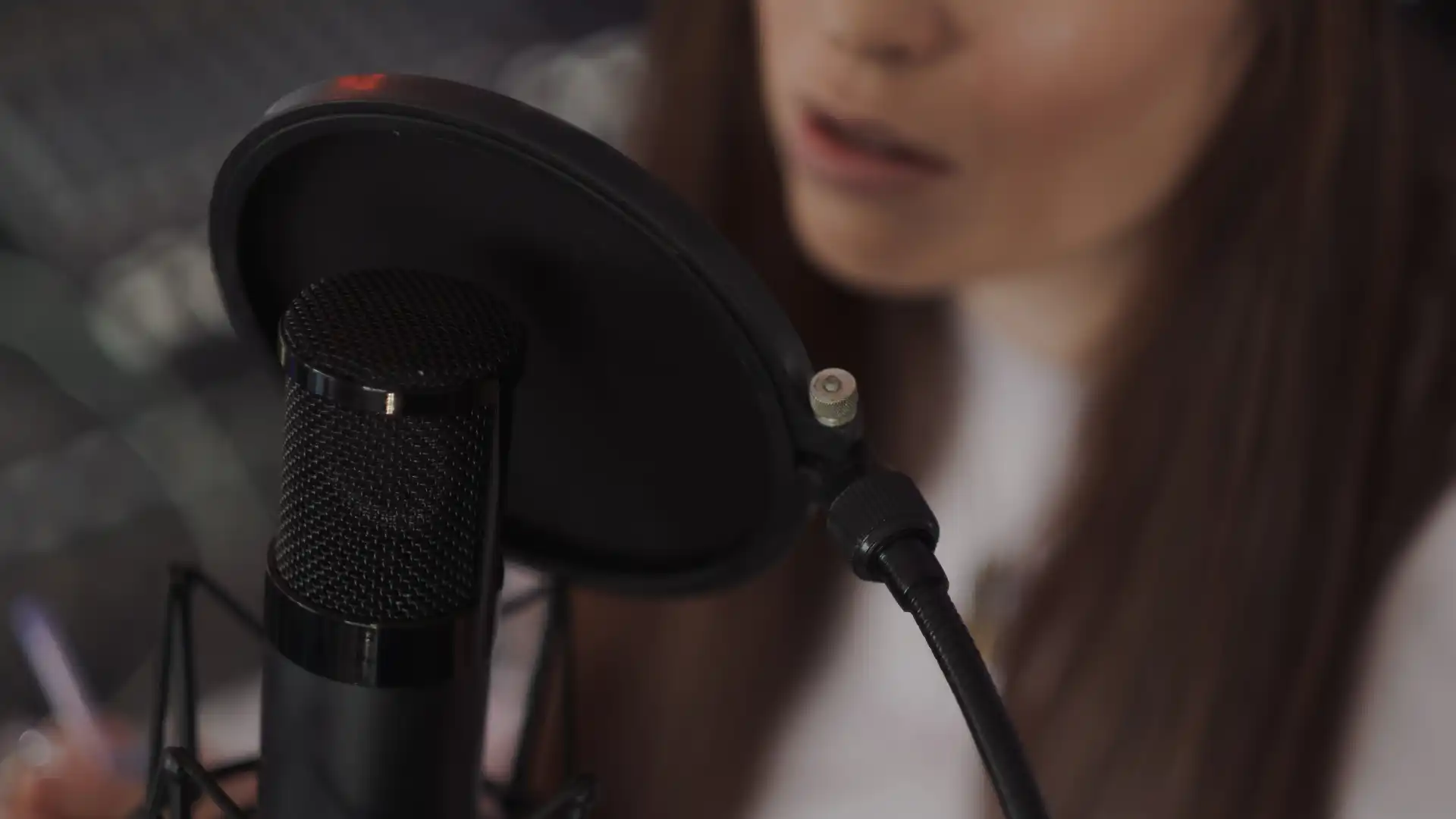
For singers, the ability to hit lower notes with clarity and control adds depth and richness to their vocal performances. Whether you’re a beginner or looking to improve your vocal range, mastering lower notes is a valuable skill. In this guide, we will explore effective techniques and exercises to help you sing lower notes confidently and expressively.
Understanding Lower Notes
Understanding how lower notes work can help you develop your vocal range and produce a fuller sound. Learning about vocal registers and the role of lower pitches can also improve your musical expression.
- Vocal Range: Lower notes often involve the chest voice, which can produce a warm, resonant sound.
- Importance: Lower notes add texture and emotion to songs, creating a dynamic and engaging performance.
Techniques for Singing Lower Notes
Proper technique can help you access lower notes more comfortably and maintain consistent vocal quality. Breath support and relaxation are particularly important for avoiding unnecessary strain.
- Proper Breathing: Use comfortable diaphragmatic breathing to support lower notes and maintain vocal stability.
- Relaxation: Release tension in your throat and jaw to allow for a free flow of sound when singing lower pitches.
Vocal Exercises for Lower Notes
Gentle vocal exercises can help you explore your lower range and improve pitch control. Start within your comfortable range and gradually work toward lower notes without forcing your voice.
- Lip Trills: Practice lip trills to warm up your voice and encourage steady airflow as you move toward lower notes.
- Descending Sirens: Perform gentle descending sirens to explore your lower range and develop control over pitch and tone.
Posture and Alignment
Good posture provides a stable foundation for breathing and vocal production. Maintaining relaxed alignment can help you sing lower notes with greater comfort and control.
- Alignment: Maintain proper posture to support efficient breathing and comfortable vocal production when singing lower notes.
- Relaxation Techniques: Incorporate relaxation techniques to release tension in your body and support a more grounded vocal sound.
Resonance and Projection
Resonance helps shape the tone of your lower notes, while clear projection allows your voice to remain audible without excessive effort. Developing these skills can help you produce a fuller and more consistent sound.
- Resonance Exercises: Explore the natural resonance of your chest voice to enhance the richness and depth of your lower notes.
- Projection: Practice producing a clear, supported sound when singing lower notes without forcing volume or creating throat tension.
Emotional Connection to Lower Notes
Lower notes can contribute to the mood and emotional depth of a song. Thoughtful interpretation can help you use them effectively to communicate the meaning of the music.
- Interpretation: Connect emotionally to the lyrics and music when singing lower notes to convey authenticity and depth.
- Storytelling: Use lower notes to enhance the storytelling aspect of a song and evoke different moods and sentiments.
Articulation and Clarity
Clear articulation helps listeners understand lyrics, even when you sing at the lower end of your range. Practicing consonants and vowel sounds can also help maintain consistent vocal clarity.
- Articulation Exercises: Work on enunciating consonants clearly to maintain clarity and precision when singing lower notes.
- Vowel Modification: Experiment with subtle vowel adjustments to support resonance and maintain a consistent tone throughout your lower range.
Conclusion
Learning to sing lower notes requires proper breathing, relaxation, and consistent practice. By developing your vocal technique, exploring gentle exercises, and improving resonance and articulation, you can strengthen your lower range and sing with greater clarity, control, and expression.
Key Takeaways:
- Understand your vocal range and develop your lower notes gradually.
- Use relaxed breathing and release throat and jaw tension.
- Practice lip trills and descending sirens to improve vocal control.
- Maintain good posture and use natural resonance for a fuller sound.
- Focus on clear articulation and emotional expression when singing lower notes.
Consider the Juilliard Voice Performance Fundamentals program for advanced vocal training.