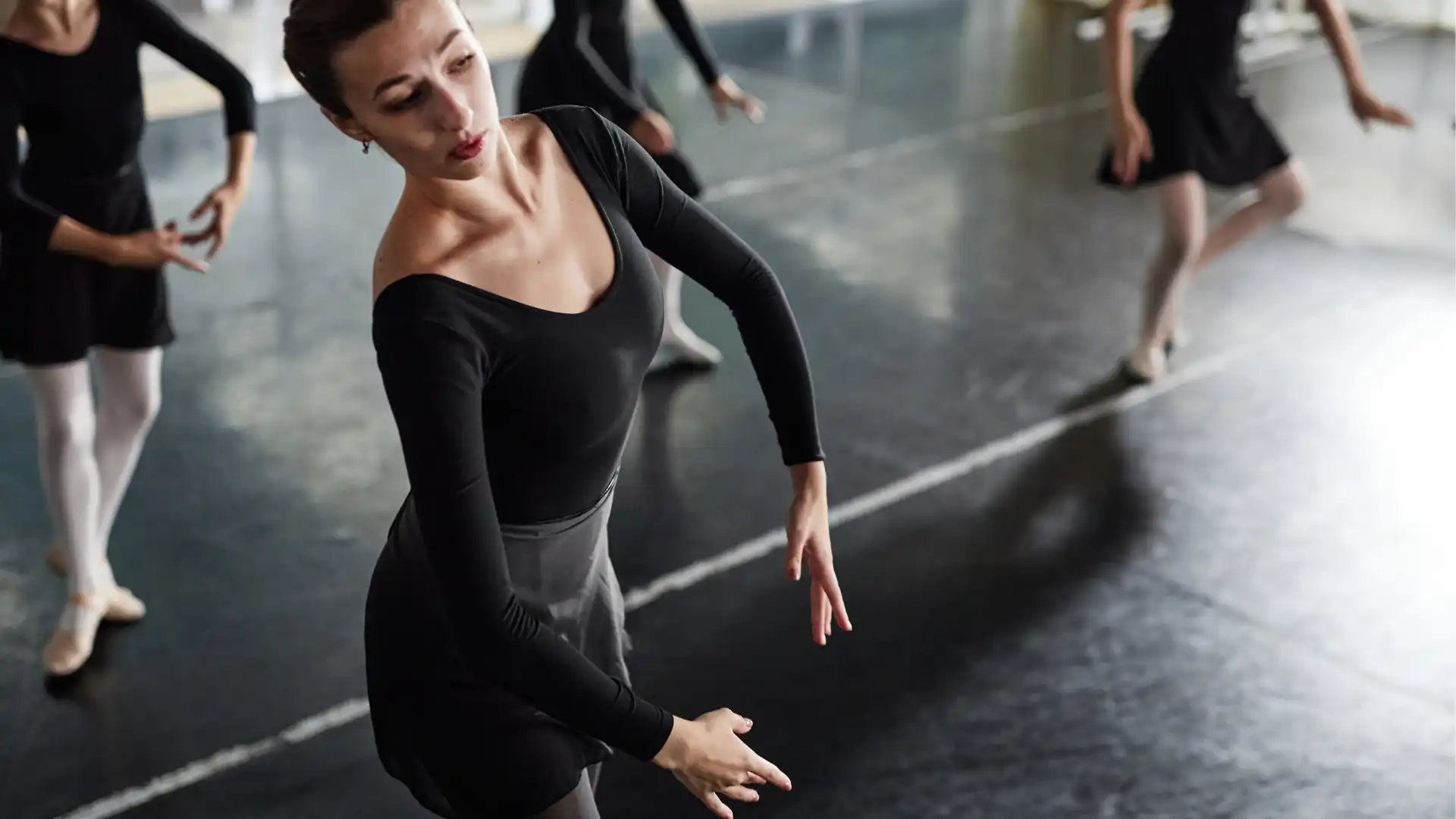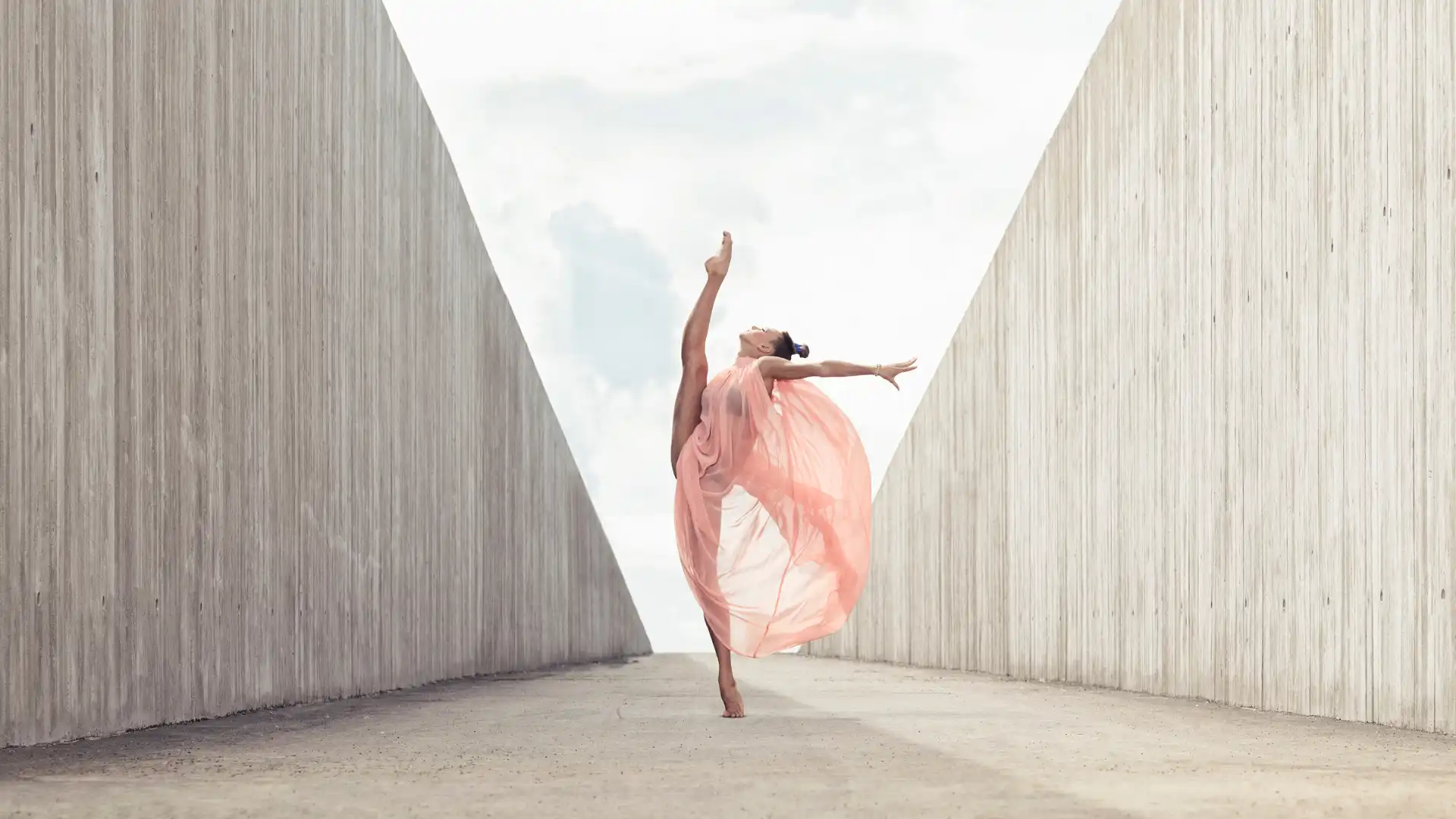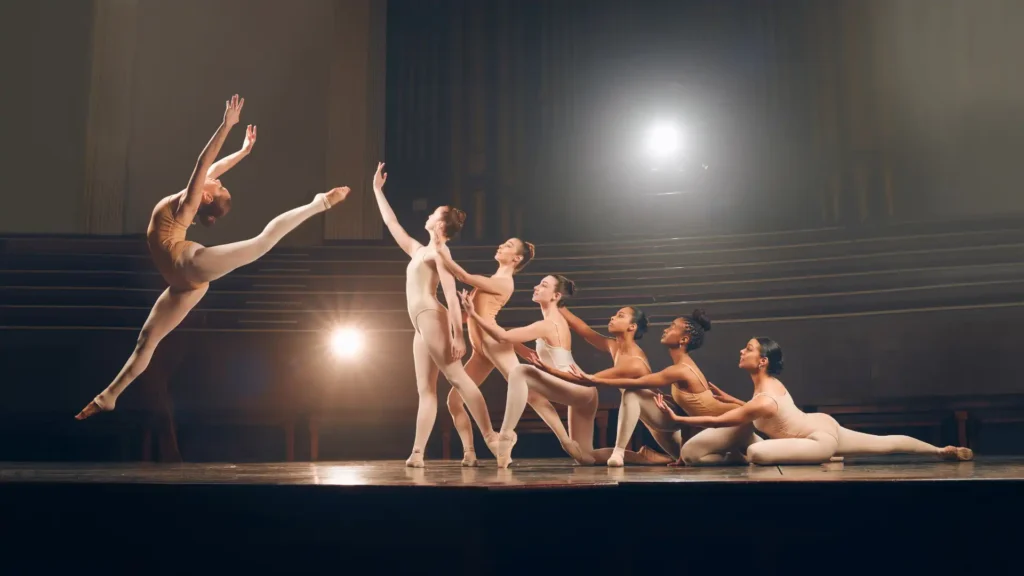
Site-specific dance performances offer a unique opportunity for dancers and choreographers to interact with unconventional spaces, creating immersive and engaging experiences for both performers and audiences. In this comprehensive guide, we will delve into the world of site-specific dance performance, exploring techniques, challenges, and creative approaches to mastering this specialized form of dance expression.
1. Understanding Site-Specific Dance
Site-specific dance is a genre of dance that is created in response to a particular location or environment. It challenges traditional notions of performance spaces and invites artists to engage with the unique characteristics of a site. Understanding the history and principles of site-specific dance is essential for creating impactful performances.
2. Selecting the Right Location
The choice of location plays a crucial role in site-specific dance performances. Consider the architectural elements, acoustics, lighting conditions, and audience interaction possibilities when selecting a site. The location should inspire and complement the choreography, enhancing the overall aesthetic and narrative of the performance.
3. Choreographing for the Space
Choreographing for a specific site requires a thoughtful approach that integrates the environment into the movement vocabulary. Consider how the spatial dynamics, textures, and sounds of the location can inform and influence the choreographic decisions. Experiment with movement phrases that interact harmoniously with the surroundings.
4. Audience Engagement and Interaction
Site-specific dance performances offer a unique opportunity for audience engagement and interaction. Consider how the audience will experience the performance from different vantage points within the site. Explore ways to create immersive experiences that blur the boundaries between performers and spectators, inviting active participation and dialogue.
5. Technical Considerations and Logistics
Site-specific dance performances present technical challenges that differ from traditional stage performances. Address logistical aspects such as sound amplification, lighting setup, safety measures, and audience seating arrangements to ensure a seamless and successful performance. Rehearse in the actual performance space to familiarize dancers with the site’s unique characteristics.
6. Embracing Creativity and Innovation
Site-specific dance performance encourages creativity and innovation in choreographic approaches and artistic expressions. Embrace the opportunity to think outside the box, experiment with unconventional ideas, and push the boundaries of traditional dance performance. Allow the site to inspire new movement possibilities and narratives.
Conclusion
Site-specific dance transforms ordinary spaces into meaningful settings for movement, storytelling, and audience interaction. By carefully selecting a location, adapting choreography to the environment, addressing technical needs, and embracing creative experimentation, dancers and choreographers can create immersive performances. With thoughtful planning and a strong connection to the space, site-specific dance can offer audiences a memorable and engaging experience.
Key Takeaways:
- Location Selection: Choose sites that enhance choreography and engage the audience.
- Choreography Integration: Integrate spatial dynamics and textures into movement.
- Audience Interaction: Create immersive experiences for active spectator engagement.
- Technical Preparation: Address logistical challenges for a seamless performance.
- Creative Exploration: Embrace innovation and push boundaries in site-specific dance.
Explore the Juilliard Dance Choreography Essentials online course and certificate program by Yellowbrick. Enhance your choreographic techniques and create captivating performances in unique spaces.