Embarking on a career as a choreographer involves a unique blend of creativity, technical skill, and leadership. From crafting intricate dance sequences to guiding performers in bringing movements to life, choreographers play a pivotal role in the world of dance and entertainment. Let’s delve into the detailed job description of a choreographer to understand the essential duties, qualifications, and career prospects in this dynamic field.
Crafting Dance Sequences
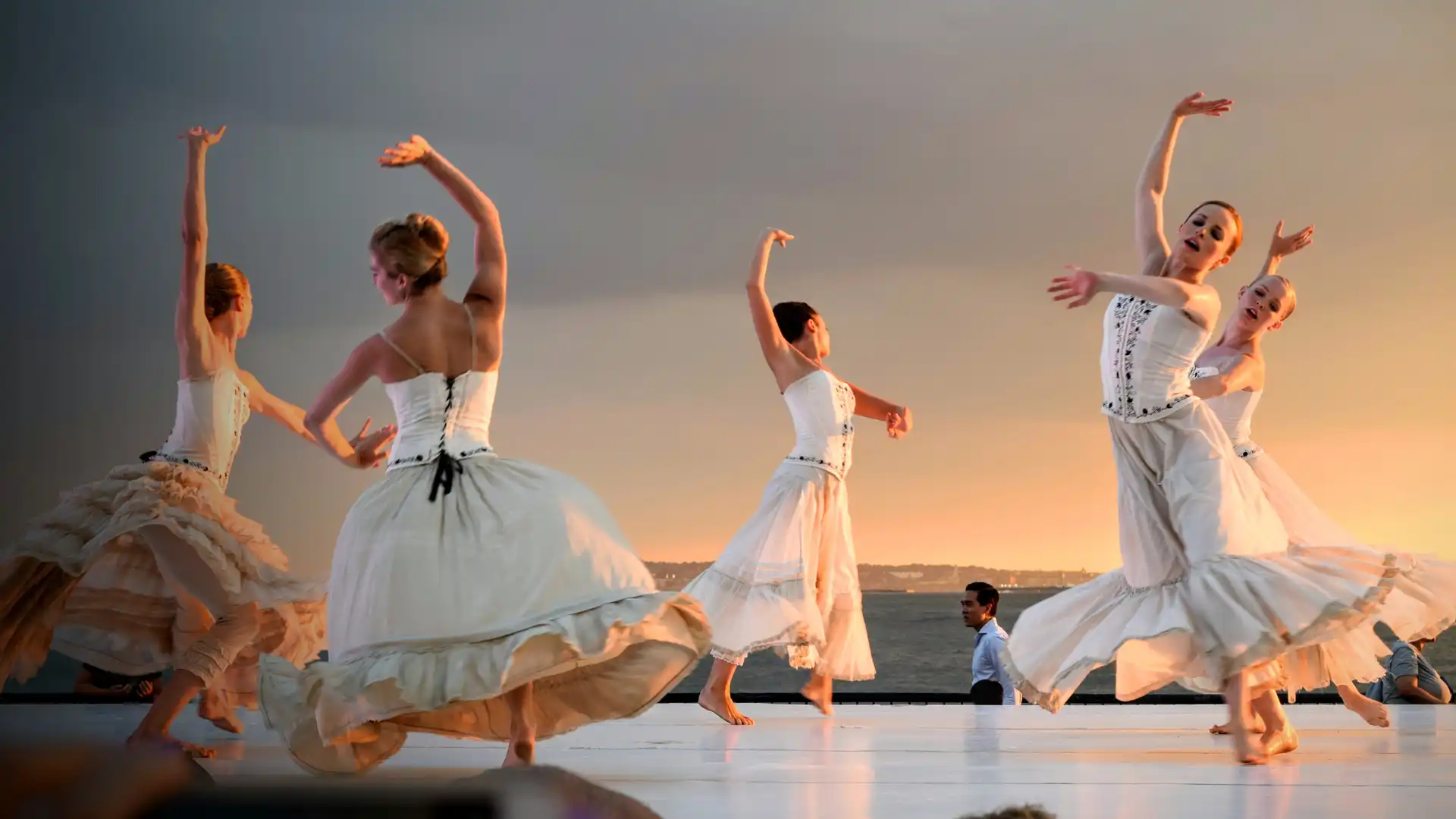
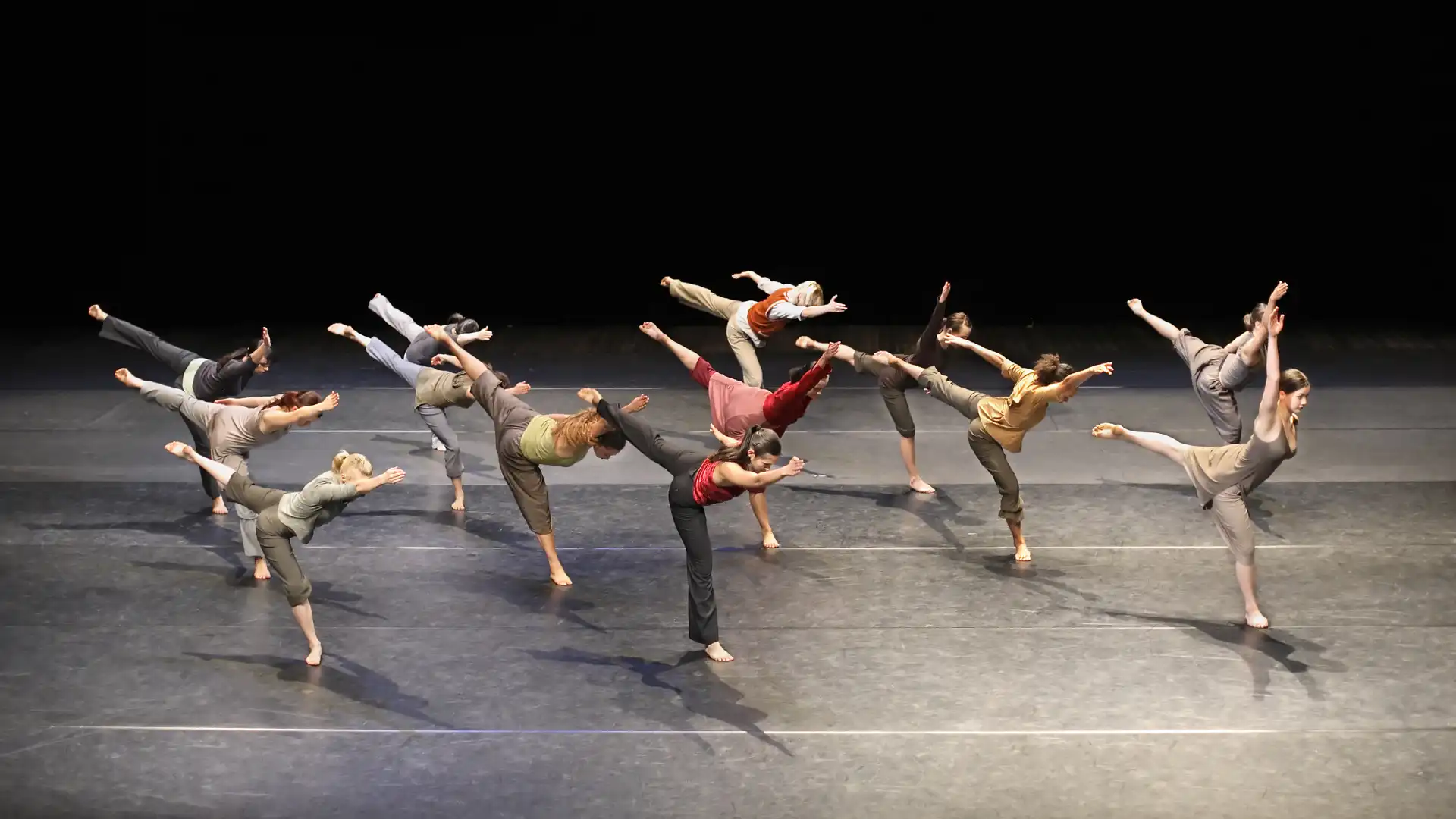
At the core of a choreographer’s role is the creation of dance sequences that convey emotions, tell stories, and captivate audiences. Choreographers design movements that synchronize with music, lyrics, or a narrative, ensuring that each step enhances the overall performance. They experiment with different styles, techniques, and formations to bring their artistic vision to fruition.
Rehearsing and Directing Performers
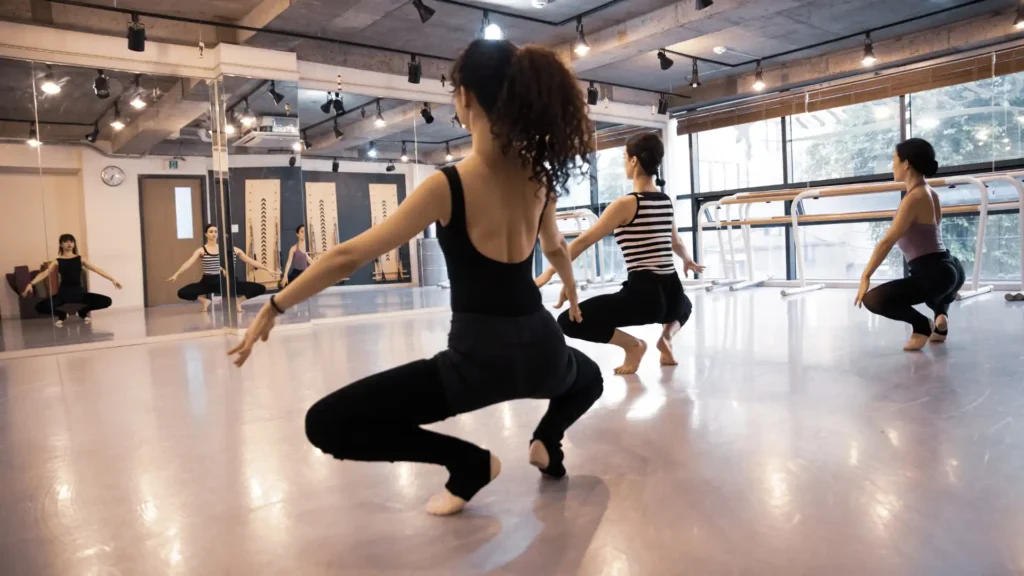
Choreographers work closely with dancers, actors, and other performers to teach, refine, and perfect choreographed routines. They conduct rehearsals to instruct performers on movements, timing, and expressions, providing guidance on posture, alignment, and interpretation. Choreographers also collaborate with costume designers, lighting technicians, and other creatives to enhance the visual impact of performances.
Collaborating with Production Teams
In addition to working directly with performers, choreographers collaborate with production teams to ensure seamless integration of choreography into overall productions. They communicate with directors, producers, and stage managers to align choreographic elements with the artistic vision and logistical requirements of a performance. Choreographers may also participate in casting decisions and production meetings to contribute their expertise.
Adapting Choreography for Different Settings
Choreographers may find themselves creating choreography for a variety of settings, including stage productions, film and television projects, music videos, fashion shows, and corporate events. Adapting choreography to suit different environments, themes, and audiences requires versatility and creativity. Choreographers must tailor their work to fit the unique demands and constraints of each project.
Staying Current with Trends and Innovations
To remain competitive and relevant in the industry, choreographers stay abreast of current dance trends, emerging technologies, and innovative approaches to movement and performance. They attend dance performances, workshops, and conferences to expand their knowledge, network with peers, and gain inspiration for their own work. Continuous learning and experimentation are essential for evolving as a choreographer.
Qualifications and Skills
While formal education is not always required to become a choreographer, many professionals hold a degree in dance, performing arts, or a related field. Strong dance technique, musicality, creativity, and communication skills are essential for success in this role. Choreographers often have extensive experience as dancers or dance instructors before transitioning into choreography.
Career Prospects and Growth Opportunities
The demand for choreographers exists in a variety of industries, including theater, film, television, music, and live events. Choreographers may work as freelancers, artistic directors, dance captains, or educators, depending on their career goals and interests. Advancement in the field can lead to opportunities to choreograph major productions, tour with renowned artists, or establish their own dance companies.
Conclusion
A choreographer’s role combines creativity, technical expertise, leadership, and collaboration to bring performances to life. With strong skills, continuous learning, and experience across different settings, aspiring choreographers can pursue diverse opportunities in dance, entertainment, and live production. A career in choreography can be both creatively fulfilling and professionally rewarding.
Key Takeaways:
- Choreographers craft dance sequences that convey emotions and captivate audiences.
- Working with performers and production teams is essential for successful choreography.
- Choreographers tailor their work for various settings and audiences, showcasing versatility.
- Staying current with trends and innovations is crucial for evolving as a choreographer.
- The demand for choreographers spans industries, offering diverse career opportunities.
Consider enrolling in the Juilliard Dance Choreography Essentials online course and certificate program by Yellowbrick. Equip yourself with the skills and knowledge needed to thrive in the competitive world of dance and entertainment.