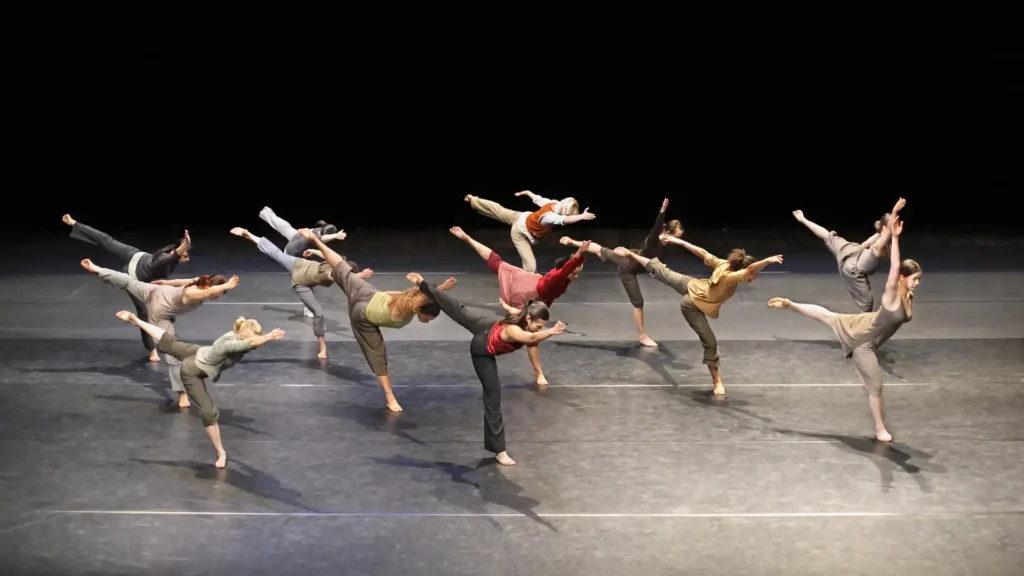
Becoming a choreographer is a rewarding journey that requires a unique blend of creativity, skill, and dedication. If you have a passion for dance and a vision for movement, pursuing a career as a choreographer can be a fulfilling path. In this comprehensive guide, we will explore the essential steps and strategies to help you achieve your goal of becoming a successful choreographer.
Develop Your Dance Skills
Building a strong foundation in dance is essential for aspiring choreographers. Take classes in various dance styles to expand your knowledge and understanding of movement. Practice different techniques, experiment with choreography, and immerse yourself in the world of dance to enhance your skills and creativity. The more diverse your dance background, the more tools you will have at your disposal when choreographing.
Study Choreography Techniques
Delve into the art of choreography by studying different techniques and approaches used by renowned choreographers. Learn about composition, spatial awareness, rhythm, dynamics, and storytelling through movement. Understanding the principles of choreography will help you craft compelling and impactful dance pieces that resonate with audiences.
Gain Performance Experience
Choreographing for live performances requires a deep understanding of how dance translates on stage. Gain experience by choreographing for recitals, showcases, and performances. Collaborate with dancers, directors, and producers to bring your choreographic vision to life and refine your skills in creating engaging and cohesive dance works.
Explore Diverse Dance Styles
Expand your choreographic repertoire by exploring a wide range of dance styles and genres. Experiment with classical ballet, contemporary dance, jazz, hip-hop, and cultural dances to broaden your creative palette. Embracing diversity in styles will not only enrich your choreographic abilities but also make you a versatile and adaptable choreographer.
Networking and Collaboration
Networking within the dance community is crucial for choreographers to connect with dancers, artistic directors, and other industry professionals. Attend dance events, workshops, and festivals to meet potential collaborators and showcase your work. Building strong relationships and collaborations can lead to exciting choreographic opportunities and help you establish yourself in the dance world.
Conclusion
Becoming a choreographer requires strong dance skills, creativity, practical experience, and continuous learning. By studying choreography techniques, gaining performance experience, exploring diverse styles, and building industry connections, aspiring choreographers can develop their unique artistic voice and create meaningful career opportunities.
Key Takeaways:
- Strong dance skills provide the foundation for a successful choreography career.
- Studying choreography techniques strengthens creativity and movement composition.
- Performance experience helps choreographers develop practical skills.
- Exploring diverse dance styles builds versatility and adaptability.
- Networking and collaboration can lead to valuable career opportunities.
Consider enrolling in the Juilliard Dance Choreography Essentials online course and certificate program by Yellowbrick to gain valuable insights and mentorship for success in the competitive world of choreography.