R&B music has a rich history and continues to captivate audiences with its soulful melodies and heartfelt lyrics. For aspiring R&B artists, breaking into the industry requires a unique blend of talent, passion, and perseverance. In this comprehensive guide, we will explore the world of R&B artists, from the essential skills needed to succeed to the diverse career opportunities available in the music industry.
Evolution of R&B Music
R&B, which stands for rhythm and blues, originated in the African American communities in the 1940s. It combines elements of jazz, gospel, and blues music, creating a genre known for its emotional depth and expressive vocal performances. Over the years, R&B has evolved into various subgenres, including contemporary R&B, soul, neo-soul, and funk, influencing artists across generations and musical styles.
Skills Required for R&B Artists
Building a successful career as an R&B artist requires a combination of musical talent, creativity, and strong interpersonal skills. From delivering soulful vocal performances to writing meaningful songs and collaborating with other industry professionals, mastering these essential abilities can help artists create memorable music and thrive in the competitive R&B industry.
- Vocal Ability: A strong and versatile voice is essential for R&B artists to convey emotions and connect with listeners on a deeper level. Developing vocal control, range, and expression can set you apart in the competitive music industry.
- Songwriting: Crafting compelling lyrics and melodies that resonate with audiences is a fundamental skill for R&B artists. The ability to tell stories through music and evoke emotions through songwriting is key to creating impactful songs.
- Musical Instrument Proficiency: While not all R&B artists play instruments, having a good understanding of music theory and proficiency in playing instruments like the piano or guitar can enhance your creativity and songwriting process.
- Stage Presence: Captivating an audience with charisma, confidence, and stage presence is crucial for live performances. Engaging with the crowd and delivering a memorable show can leave a lasting impression on fans and industry professionals.
- Collaboration: Building relationships with producers, songwriters, musicians, and other artists is essential for collaboration opportunities and expanding your network within the music industry. Working well with others can lead to creative synergies and new artistic directions.
Tools of the Trade for R&B Artists
The right tools and resources can help R&B artists transform their musical ideas into professional-quality recordings while expanding their reach to new audiences. From recording equipment and production software to marketing platforms and live performance opportunities, these essentials support both the creative and business aspects of a successful music career.
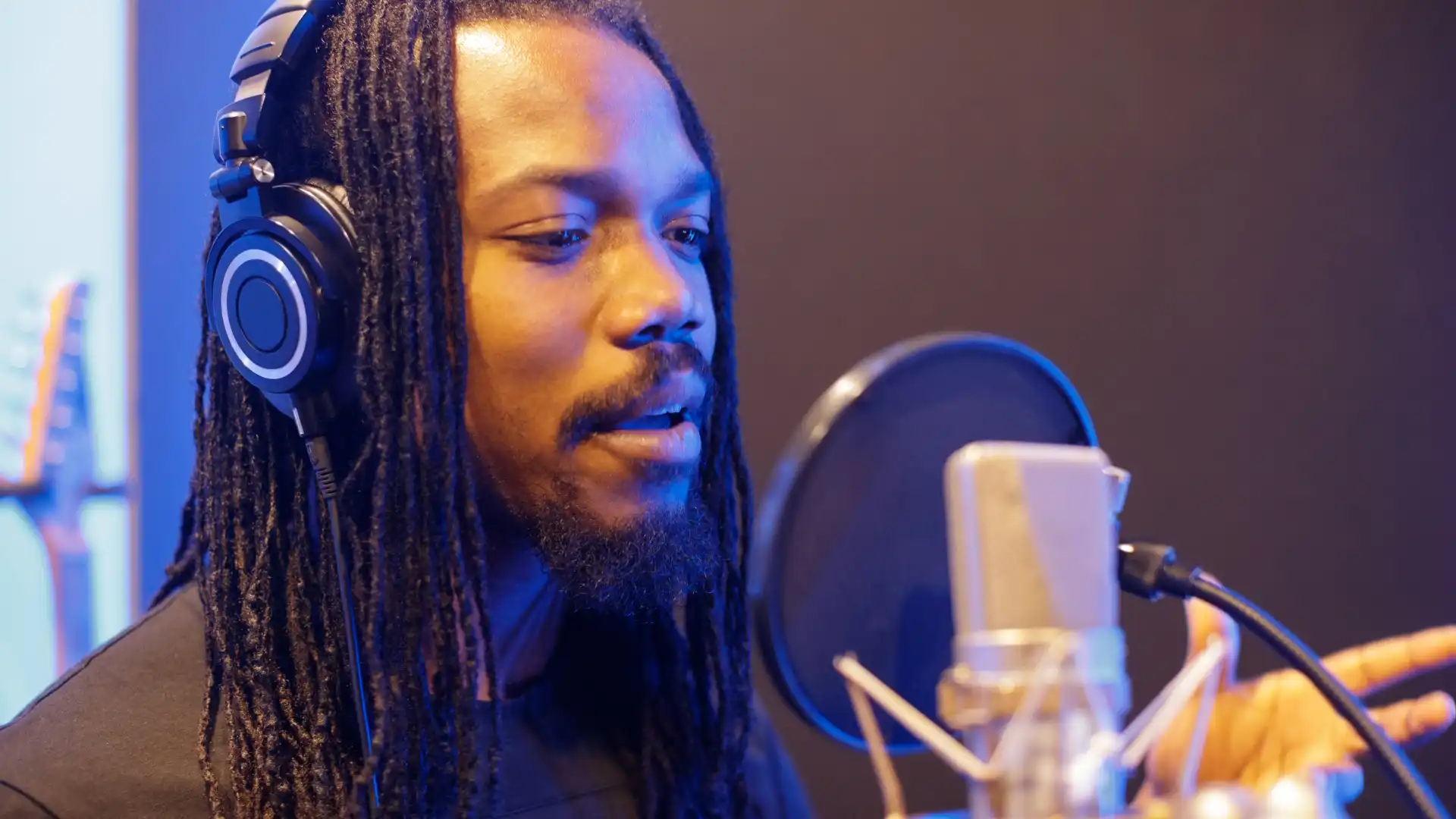
- Recording Studio: Access to a professional recording studio or home setup with quality microphones, headphones, and recording software is essential for producing high-quality tracks and demos.
- Music Production Software: Familiarity with music production software like Pro Tools, Logic Pro, or Ableton Live can help R&B artists create beats, arrange songs, and produce their music independently.
- Social Media Marketing: Leveraging social media platforms such as Instagram, TikTok, and YouTube to promote your music, engage with fans, and build a strong online presence is crucial for reaching a wider audience and growing your fan base.
- Performance Opportunities: Participating in live shows, open mics, talent showcases, and music festivals can help R&B artists gain exposure, refine their stage presence, and connect with industry professionals and fans.
- Branding and Image: Developing a unique brand identity, visual aesthetic, and personal style can help R&B artists stand out in a crowded market and create a memorable impression on listeners.
Top 10 Jobs for R&B Artists
A career in R&B offers far more opportunities than performing on stage or recording songs. With the right combination of talent, experience, and business knowledge, R&B artists can explore rewarding roles in music production, education, live entertainment, media, and entrepreneurship while building a lasting career in the industry.
- Recording Artist: Releasing albums, singles, and EPs through record labels or independently to showcase your music and reach a wider audience.
- Songwriter: Collaborating with other artists, producers, and songwriters to create hit songs for yourself and other musicians in the industry.
- Music Producer: Crafting beats, instrumentals, and music tracks for R&B artists, shaping the sound and direction of their songs.
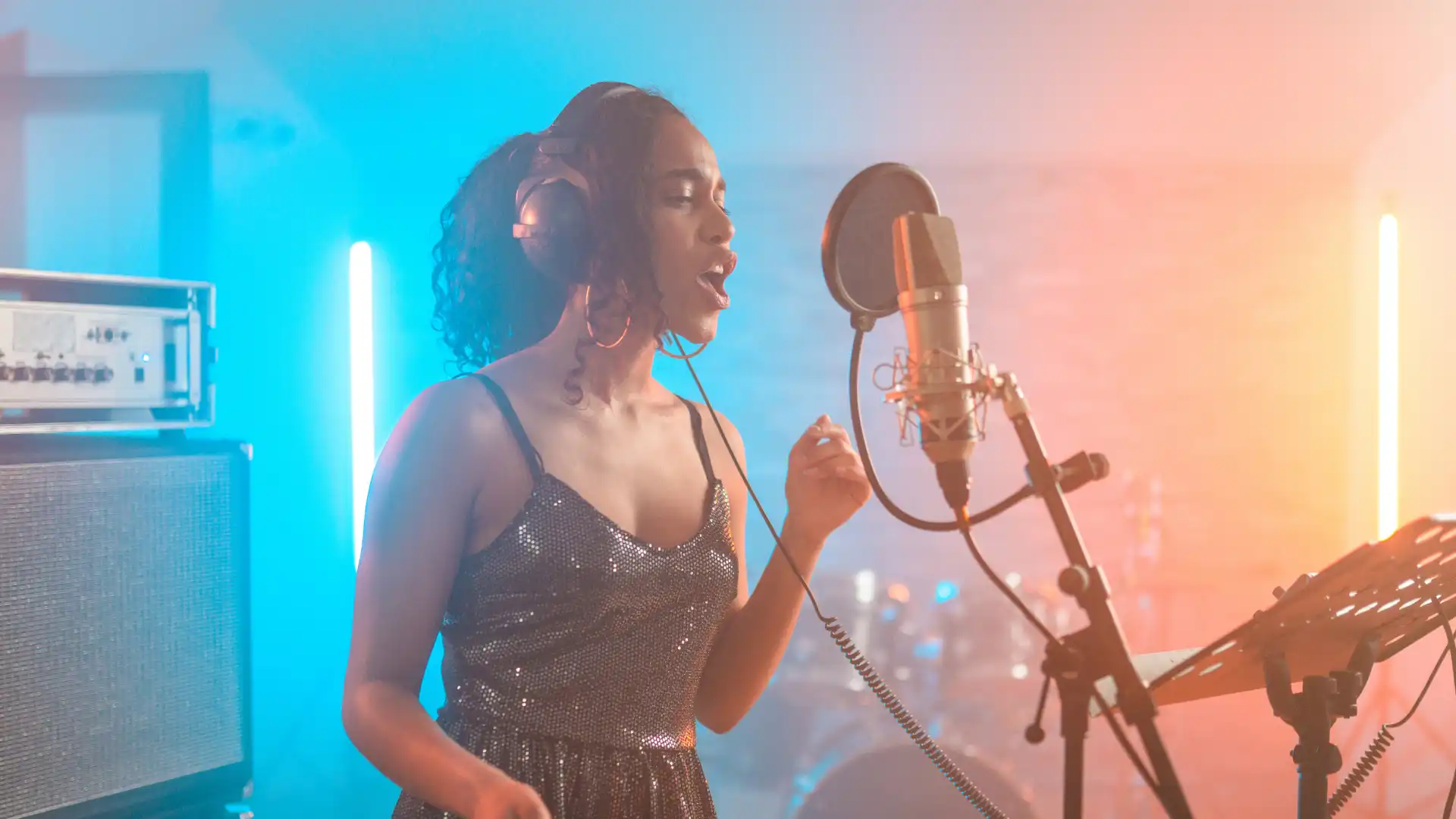
- Live Performer: Entertaining audiences with soulful performances at concerts, music venues, festivals, and events to showcase your vocal talent and stage presence.
- Music Director: Overseeing musical arrangements, rehearsals, and performances for live shows, tours, and music productions as a musical director.
- Vocal Coach: Providing vocal training, technique improvement, and performance coaching to aspiring singers and R&B artists looking to enhance their vocal abilities.
- Music Educator: Teaching music theory, songwriting, vocal techniques, and performance skills to students interested in pursuing a career in R&B music.
- Session Musician: Collaborating with recording artists, producers, and music directors as a session musician to provide instrumentals, backing vocals, or musical accompaniment for studio recordings and live performances.
- Music Journalist: Writing reviews, articles, and features for music publications, websites, and blogs to share insights on the R&B industry and spotlight emerging artists and trends.
- Music Entrepreneur: Starting your own record label, music production company, artist management agency, or merchandise brand to establish your presence in the music industry and create opportunities for yourself and other R&B artists.
Conclusion
R&B continues to thrive as a genre that celebrates emotion, storytelling, and musical excellence. By strengthening your vocal abilities, refining your songwriting, embracing modern production tools, and exploring the many career paths available, you can turn your passion for R&B into a rewarding profession. With dedication, creativity, and a willingness to grow, you can make a lasting impact in the ever-evolving music industry.
Key Takeaways:
- R&B artists combine strong vocal ability, songwriting skills, stage presence, and collaboration to build successful careers.
- Mastering music production tools, recording equipment, and social media marketing is essential for creating and promoting music.
- Live performances and personal branding play a key role in growing a loyal fan base and increasing industry exposure.
- R&B offers diverse career paths, including recording artist, songwriter, producer, music director, vocal coach, educator, session musician, journalist, and entrepreneur.
- Continuous learning, creativity, and perseverance are essential for achieving long-term success in the evolving R&B music industry.
Enhance your skills and knowledge in R&B music by considering the Juilliard Songwriting Across Genres online course and certificate program offered by Yellowbrick for further career growth.