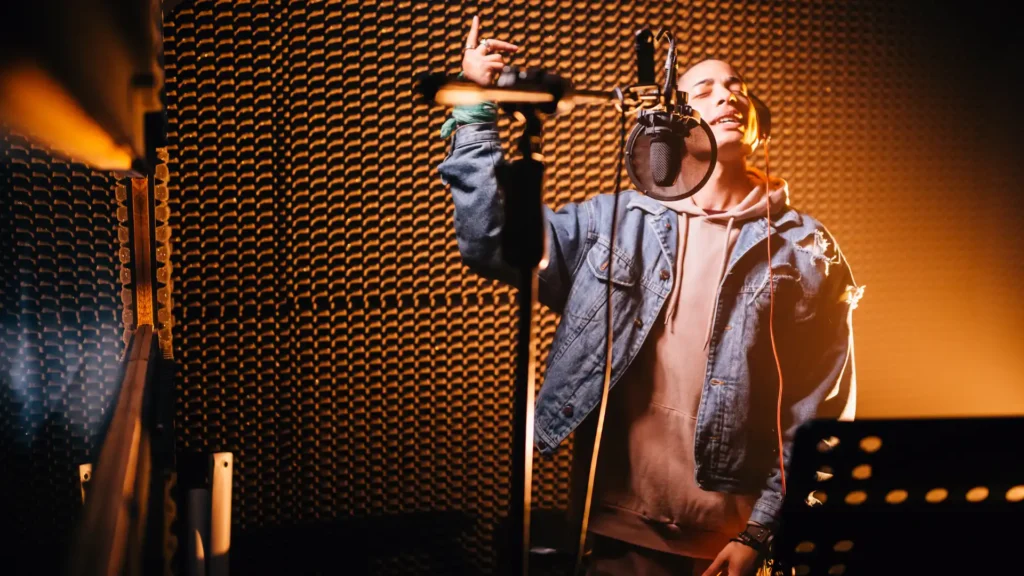
Hip hop music emerged in the 1970s in the Bronx, New York City, as a form of expression for marginalized communities. Rooted in African American and Latino cultures, hip hop quickly gained popularity for its unique blend of rap, DJing, breakdancing, and graffiti art. Over the decades, hip hop has grown into a dominant genre in the music industry, influencing fashion, language, and social movements worldwide.
Skills Required for Hip Hop Artists
Success as a hip hop artist requires more than talent—it takes creativity, dedication, and a well-rounded set of skills. From writing memorable lyrics to delivering captivating performances and building industry connections, mastering these abilities can help artists establish their unique identity and grow a lasting career in the music industry.
- Lyricism: Strong storytelling abilities, wordplay, and creative lyricism are essential for crafting compelling rap verses and hooks that resonate with listeners.
- Flow and Delivery: Developing a unique flow, cadence, and delivery style is crucial for standing out in the competitive hip hop scene and captivating audiences.
- Beat Selection: Choosing the right beats and instrumentals that complement your lyrics and enhance the overall vibe of your music is a key skill for hip hop artists.
- Stage Presence: Commanding stage presence, charisma, and confidence are vital for engaging live performances and connecting with fans.
- Networking: Building relationships with other artists, producers, DJs, and industry professionals can open doors to collaborations, features, and opportunities for exposure.
Tools of the Trade for Hip Hop Artists
Having the right tools and resources can make a significant difference in a hip hop artist’s creative journey and career growth. From professional recording equipment to digital platforms for promotion, these essentials help artists produce high-quality music, connect with audiences, and build a strong presence in the industry.
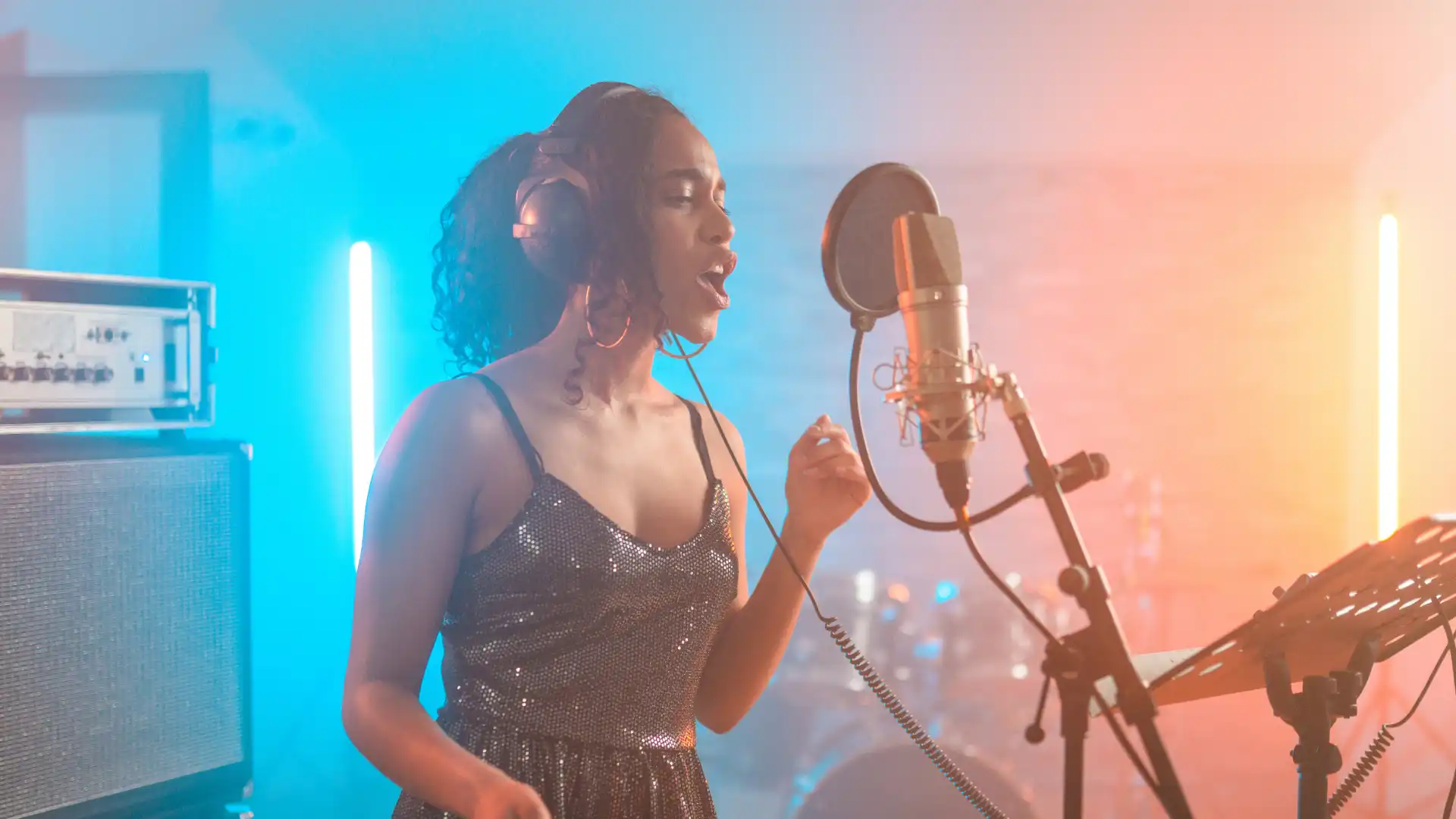
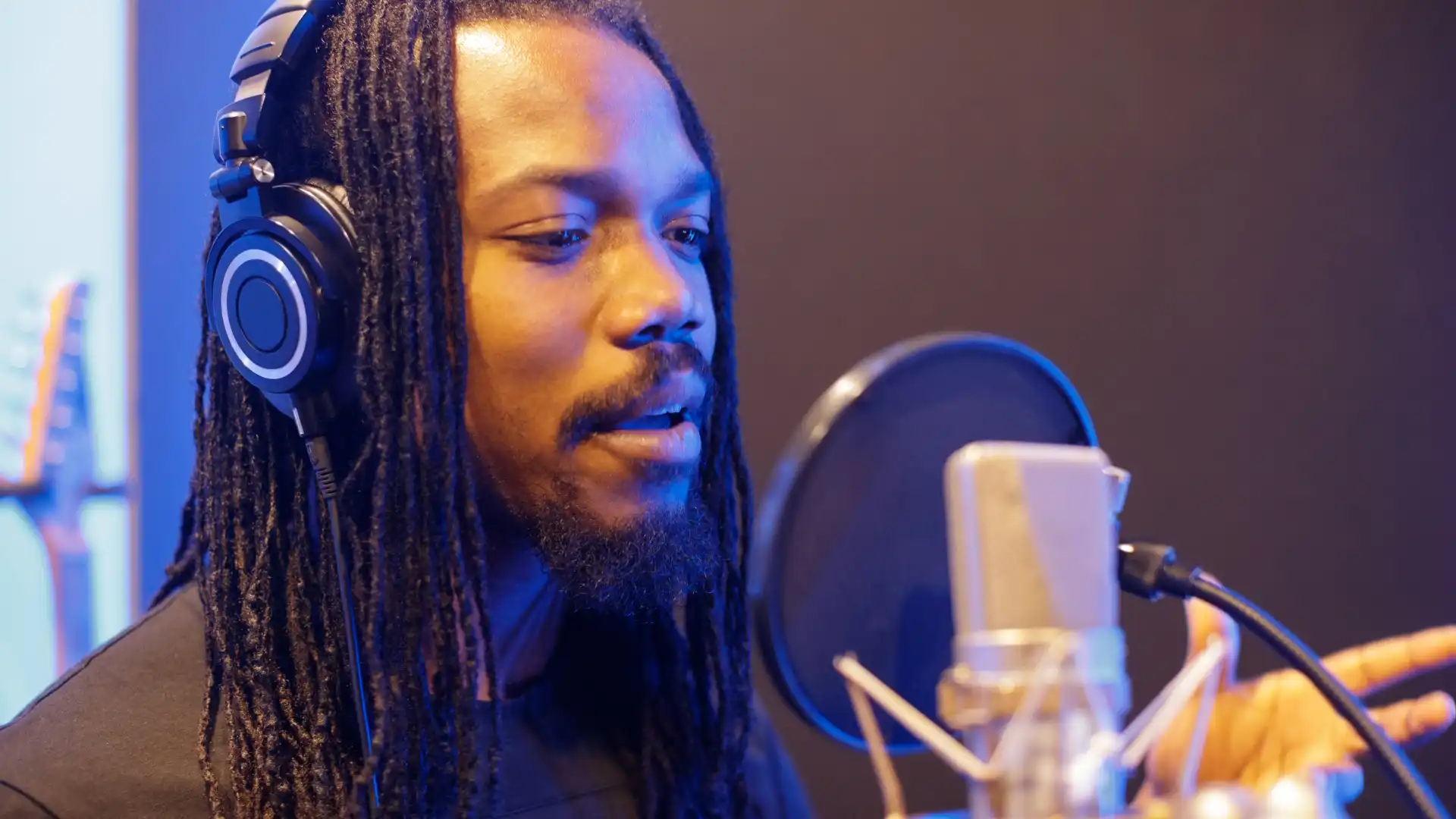
- Recording Studio: Access to a professional recording studio or home setup with high-quality microphones, headphones, and recording software is essential for creating polished tracks.
- Beat Making Software: Familiarity with beat-making software like FL Studio, Ableton Live, or Logic Pro allows artists to produce their own instrumentals or collaborate with producers.
- Social Media Presence: Utilizing platforms like Instagram, Twitter, YouTube, and SoundCloud to promote music, engage with fans, and build a strong online presence is crucial in today’s digital age.
- Performance Skills: Honing your live performance skills through rehearsals, open mics, and live shows can help you develop confidence and stage presence as a hip hop artist.
- Branding and Marketing: Creating a unique brand identity, logo, visuals, and merchandise can help you establish a recognizable brand and attract a loyal fan base.
Top 10 Jobs for Hip Hop Artists
A career in hip hop extends far beyond recording and performing music. With the right skills, creativity, and entrepreneurial mindset, hip hop artists can pursue diverse opportunities in music production, media, education, branding, and business while building a successful and sustainable career in the entertainment industry.
- Recording Artist: Releasing albums, EPs, and singles through record labels or independently to reach a wider audience and build a fan base.
- Songwriter: Crafting lyrics and melodies for your own music or collaborating with other artists and producers to create hit songs.
- Producer: Creating beats, instrumentals, and music tracks for yourself and other artists, shaping the sound and direction of songs.
- Live Performer: Entertaining audiences with energetic live performances at concerts, festivals, clubs, and events to showcase your music and connect with fans.
- Music Video Director: Conceptualizing and directing music videos for your songs to visually enhance storytelling and promote your music on platforms like YouTube and Vevo.
- Music Educator: Sharing your knowledge and skills with aspiring musicians through workshops, masterclasses, and online tutorials to mentor the next generation of hip hop artists.
- Brand Ambassador: Partnering with brands, sponsors, and endorsements to promote products, services, and campaigns while leveraging your influence as a hip hop artist.
- Radio Host or DJ: Hosting your own radio show, podcast, or DJing at events and clubs to showcase music, interview guests, and engage with listeners in the hip hop community.
- Music Journalist: Writing reviews, articles, and features for music publications, websites, and blogs to share insights on the hip hop industry and highlight emerging artists.
- Music Entrepreneur: Starting your own record label, music production company, clothing line, or merchandise brand to diversify your revenue streams and expand your creative ventures.
Conclusion
Hip hop is more than a music genre—it’s a powerful form of artistic expression and cultural influence that continues to shape the global entertainment industry. By developing strong creative skills, mastering essential tools, and exploring diverse career opportunities, aspiring hip hop artists can turn their passion into a successful profession. With dedication, authenticity, and a commitment to growth, you can build a lasting impact both on and off the stage.
Key Takeaways:
- Developing strong lyricism, flow, beat selection, stage presence, and networking skills are crucial for aspiring hip hop artists.
- Utilizing recording studios, beat-making software, social media platforms, performance opportunities, and branding strategies can enhance your career as a hip hop artist.
- Explore various career paths in the hip hop industry, including recording artist, songwriter, producer, live performer, music video director, music educator, brand ambassador, radio host, music journalist, and music entrepreneur.
Enhance your skills and knowledge in hip hop music by considering the Juilliard Songwriting Across Genres online course and certificate program by Yellowbrick for further career growth.