Being a beat maker is a creative and rewarding career path that allows individuals to express themselves through music. In this blog post, we will delve into the world of beat making, exploring the skills, tools, and techniques needed to succeed in this dynamic industry.
The Art of Beat Making
Beat makers are musicians who specialize in creating instrumental tracks, also known as beats, for various genres of music, including hip-hop, pop, electronic, and more. These talented individuals use a combination of software, instruments, and creativity to produce unique and captivating beats that form the foundation of songs.
Skills Required for Beat Makers
Beat makers combine musical creativity with technical expertise to produce tracks that stand out in today’s competitive music industry. Developing the right mix of production knowledge, software proficiency, and collaboration skills is essential for creating high-quality beats that resonate with artists and listeners
- Music Production Knowledge: Understanding music theory, composition, and arrangement is essential for beat makers to create harmonious and engaging tracks.
- Technical Proficiency: Proficiency in digital audio workstations (DAWs) such as Ableton Live, FL Studio, or Logic Pro is crucial for beat makers to manipulate sounds, samples, and effects.
- Creativity and Innovation: Beat makers need to think outside the box, experiment with different sounds, and push the boundaries of traditional music production to create original and exciting beats.
- Attention to Detail: Fine-tuning elements like timing, tempo, and sound quality is crucial for beat makers to craft polished and professional-sounding tracks.
- Collaboration Skills: Working with artists, producers, and other music industry professionals requires effective communication, teamwork, and the ability to translate artistic visions into musical reality.
Tools of the Trade for Beat Makers
Having the right tools is just as important as mastering the creative process. From powerful music production software to professional studio equipment, beat makers rely on a range of technologies that help them produce, refine, and deliver polished tracks across different genres.
- Digital Audio Workstations (DAWs): Software platforms like Ableton Live, FL Studio, and Logic Pro offer powerful tools for beat makers to create, edit, and arrange music tracks.
- Virtual Instruments and Plugins: Libraries of virtual instruments, drum kits, synthesizers, and audio effects expand the sonic palette available to beat makers for crafting unique sounds.
- Sample Libraries: Access to high-quality sample libraries containing drum loops, melodies, and one-shots enables beat makers to experiment with diverse sounds and textures in their productions.
- MIDI Controllers: Devices like MIDI keyboards, drum pads, and control surfaces provide tactile interfaces for beat makers to interact with their DAWs and instruments more intuitively.
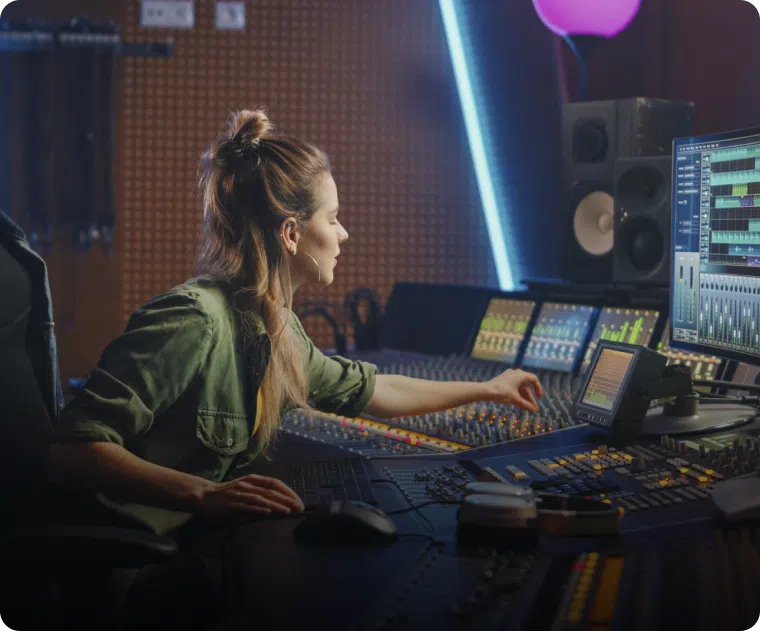
- Audio Interfaces and Studio Monitors: High-quality audio interfaces and studio monitors are essential for beat makers to accurately monitor and mix their tracks for optimal sound quality.
Career Opportunities for Beat Makers
Beat making opens the door to a wide range of exciting careers within the music and entertainment industries. Whether working behind the scenes in the studio, creating soundtracks for media, performing live, or teaching others, skilled beat makers can turn their passion for music production into a rewarding and versatile profession.
- Music Producer: Beat makers can transition into music production roles, overseeing the entire creative process of recording, mixing, and mastering songs for artists and bands.
- Film and TV Composer: Crafting original music for films, television shows, commercials, and video games offers beat makers the opportunity to showcase their skills in a variety of media projects.
- Sound Designer: Specializing in sound design for multimedia projects, including films, animations, and interactive media, allows beat makers to create immersive and impactful audio experiences.
- Live Performer: Taking their beats to the stage, beat makers can perform live sets at concerts, festivals, clubs, and events, engaging audiences with their unique musical creations.
- Music Educator: Sharing their knowledge and expertise, beat makers can teach music production, beat making, and sound design to aspiring musicians and producers.
Marketing Yourself as a Beat Maker
Marketing your skills effectively is essential for standing out as a beat maker in a competitive industry. By building a strong personal brand, expanding your network, and consistently showcasing your work, you can attract new opportunities, grow your audience, and establish a successful career.
- Build a Strong Online Presence: Create a professional website or social media profiles to showcase your portfolio, connect with fans and collaborators, and attract potential clients.
- Collaborate with Artists: Collaborating with singers, rappers, and other musicians can help expand your network, reach new audiences, and create diverse music projects.
- Attend Music Events and Workshops: Networking at music industry events, workshops, and conferences can lead to valuable connections, opportunities, and insights into the industry.
- Offer Free Beats and Samples: Providing free beats, sample packs, or beat-making tutorials can attract attention, build credibility, and generate interest in your work.
- Seek Feedback and Learn Continuously: Soliciting feedback from peers, mentors, and industry professionals can help you improve your craft, refine your skills, and stay current in the ever-evolving music industry.
Conclusion
Beat making is more than producing catchy rhythms—it’s a blend of creativity, technical expertise, and continuous learning. By mastering essential production skills, using the right tools, exploring diverse career opportunities, and building a strong personal brand, aspiring beat makers can thrive in the competitive music industry. With dedication, practice, and a passion for innovation, you can turn your talent for creating beats into a successful and fulfilling career.
Key Takeaways:
- Music production knowledge, technical proficiency, creativity, attention to detail, and collaboration skills are essential for beat makers.
- Tools like digital audio workstations, virtual instruments, sample libraries, MIDI controllers, and audio interfaces are crucial for crafting unique beats.
- Career opportunities for beat makers include music production, film and TV composition, sound design, live performance, and music education.
- Marketing strategies such as building an online presence, collaborating with artists, attending events, offering free beats, and seeking feedback can help beat makers succeed.
Consider enhancing your skills with the Juilliard Songwriting Across Genres online course and certificate program by Yellowbrick for further career growth.