Voice over artists play a vital role in various industries, providing their voices for commercials, animations, audiobooks, video games, and more. If you aspire to pursue a career in voice over artistry, understanding the skills, techniques, and opportunities in this field is crucial for success.
Exploring the Voice Over Artist Career
A voice over artist is responsible for using their voice to convey emotions, narratives, and messages across different mediums. Whether it’s breathing life into animated characters or narrating documentaries, voice over artists need to possess a diverse set of skills to excel in this competitive industry.
Essential Skills for Voice Over Artists
Successful voice over artists rely on a combination of vocal technique, performance ability, and consistent practice to deliver engaging recordings. Developing these essential skills helps you bring scripts to life, connect with audiences, and perform confidently across a variety of voice over projects.
- Voice Control: A voice over artist must have excellent voice control to modulate tone, pitch, and volume effectively. Versatility in voice modulation allows artists to portray a wide range of characters and emotions.
- Articulation: Clear and precise articulation is essential for delivering scripts fluently and ensuring that every word is understood by the audience.
- Emotional Range: Voice over artists should be able to convey a broad spectrum of emotions through their voice, from excitement and joy to sadness and fear.
- Breath Control: Managing breath control is crucial for sustaining long sentences, maintaining energy throughout a recording session, and delivering consistent performances.
- Pacing and Timing: Understanding the right pacing and timing for delivering lines is key to creating engaging and impactful voice overs.
Types of Voice Over Work
Voice over artists can pursue opportunities across a wide range of industries and media formats, each requiring different performance styles and techniques. Understanding the various types of voice over work can help you identify your strengths and choose the areas that best match your skills and career goals.
- Commercial Voice Overs: In this category, voice over artists lend their voices to advertisements for radio, television, online platforms, and more.
- Character Voice Overs: Character voice overs involve bringing animated or video game characters to life through unique voices and personalities.
- Narration: Narration work includes documentaries, audiobooks, e-learning modules, and other projects that require a storytelling approach.
- Dubbing: Voice over artists may also specialize in dubbing foreign language content into the local language for films, TV shows, and other media.
- Telephony: Providing voice recordings for phone systems, voicemail greetings, and interactive voice response systems falls under telephony voice overs.
Building Your Voice Over Career
Building a successful voice over career requires more than vocal talent—it also involves ongoing training, professional tools, effective self-promotion, and meaningful industry connections. Focusing on these key areas can help you attract opportunities and establish a strong presence in the competitive voice over industry.
- Training: Consider enrolling in voice over classes or workshops to hone your skills and learn from industry professionals. Yellowbrick offers specialized courses to help you kickstart your voice over career.
- Equipment: Invest in quality recording equipment, such as a microphone, pop filter, and audio interface, to ensure professional sound quality for your recordings.
- Building a Portfolio: Create a demo reel showcasing your voice over capabilities across different genres and styles to attract potential clients and agencies.
- Networking: Attend industry events, voice over conferences, and online forums to network with fellow voice over artists, agents, and potential clients.
- Online Presence: Establish an online presence through a professional website or platforms like Voices.com and Voice123 to market your services and reach a wider audience.
Conclusion
Voice over artistry offers a diverse range of opportunities for talented individuals looking to lend their voices to various projects across different industries. Mastering the art of voice over work requires dedication, practice, and a passion for storytelling through the power of voice. Stay tuned for more insights and tips to help you thrive in your voice over artist career.
Key Takeaways:
- Voice over artists play a crucial role in various industries, providing their voices for commercials, animations, audiobooks, and more.
- Essential skills for voice over artists include voice control, articulation, emotional range, breath control, and pacing.
- Types of voice over work include commercial voice overs, character voice overs, narration, dubbing, and telephony.
- To advance your voice over career, consider training with specialized courses like those offered by Yellowbrick.
- Building a strong portfolio, networking with industry professionals, and establishing an online presence are key steps for success in voice over artistry.
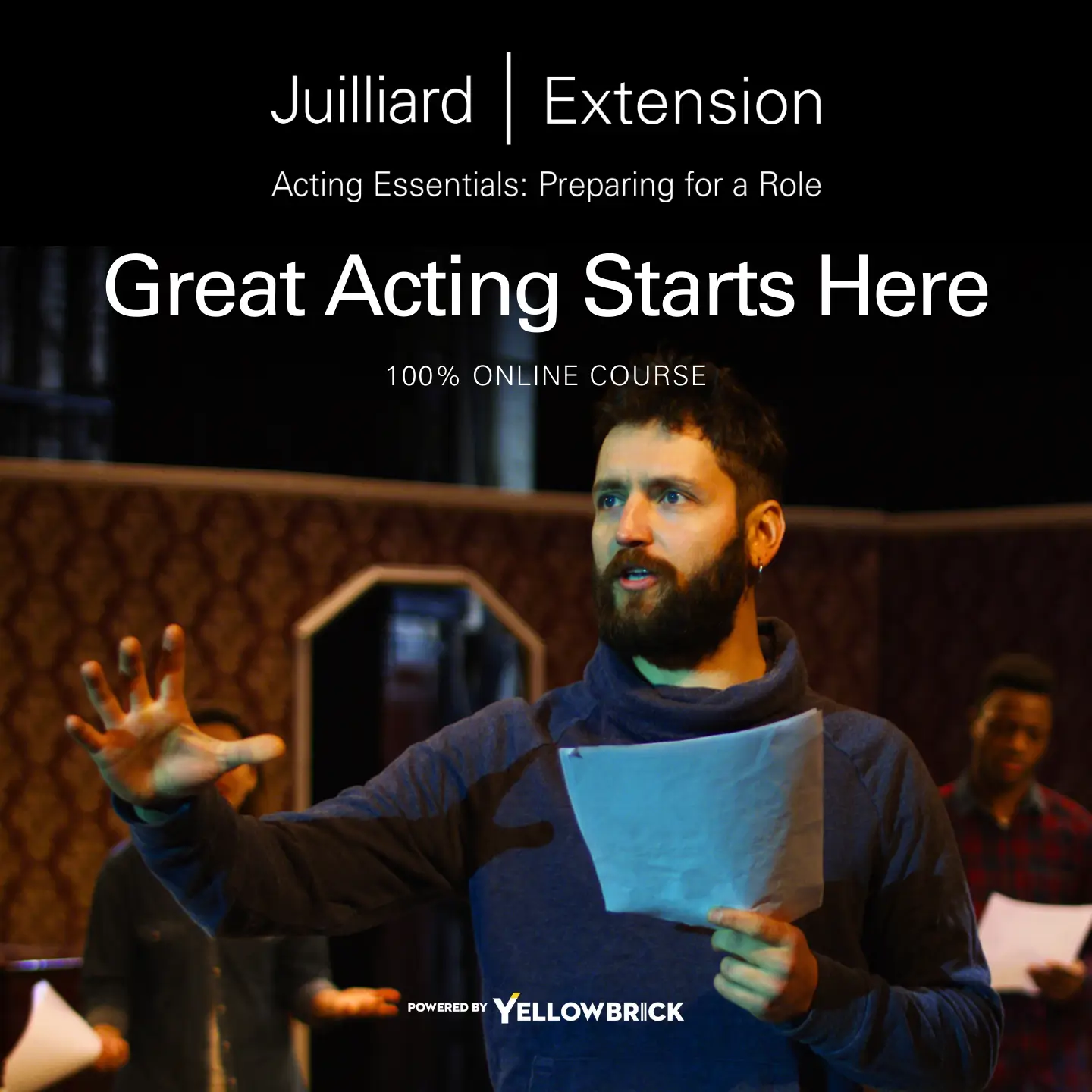
To further enhance your presentation skills and excel as a corporate presenter, consider enrolling in the Juilliard Acting Essentials: Preparing for a Role online course and certificate program offered by Yellowbrick.