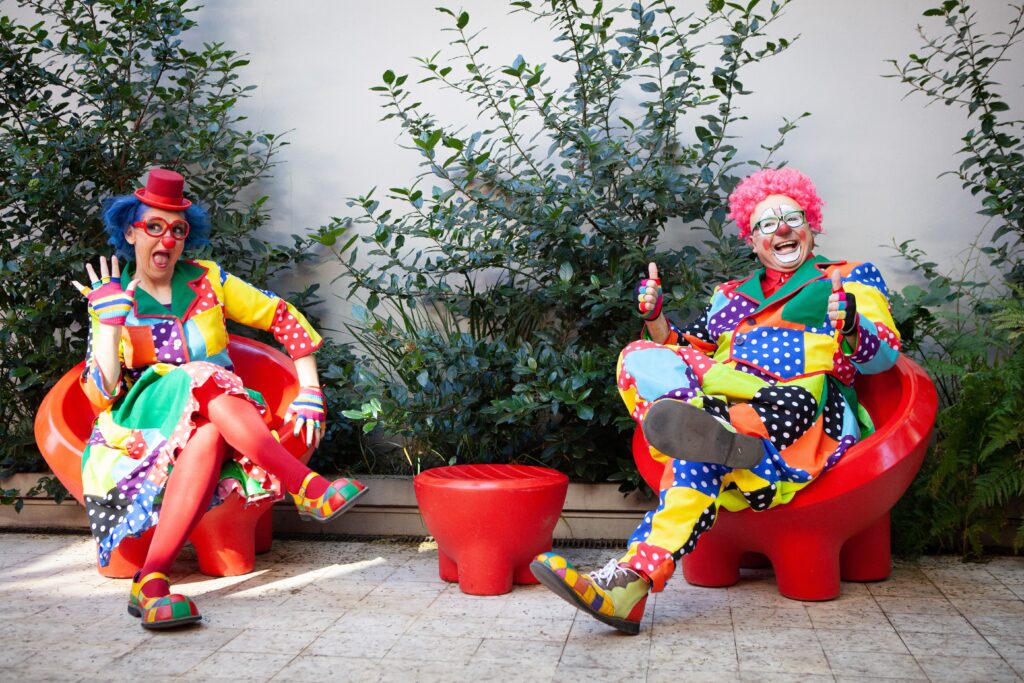
Clown performers, with their vibrant costumes, whimsical antics, and ability to bring joy to audiences of all ages, hold a unique and cherished place in the world of entertainment.
In this comprehensive guide, we delve into the multifaceted world of clown performing, exploring the essential skills, training, and career opportunities available to those who aspire to don the oversized shoes and red noses of these beloved entertainers.
The Art of Clown Performing
Mastering this craft requires a diverse set of skills, from developing a unique character to engaging audiences and adapting to different performance settings. The following sections explore the essential elements that help clown performers succeed on stage.
- Embracing Character Development: At the heart of clown performing lies the creation of a distinctive and engaging character. From the classic whiteface clown to the colorful Auguste clown, each character has its own quirks, mannerisms, and comedic style that resonate with audiences.
- Physical Comedy and Expressions: Mastering physical comedy is a hallmark of a skilled clown performer. Through exaggerated movements, facial expressions, and gestures, clowns can elicit laughter and connect with audiences on a visceral level.
- Improvisation and Interaction: Quick thinking and the ability to engage with audience members in spontaneous and interactive ways are essential skills for clown performers. Adapting to unexpected situations and incorporating audience participation can elevate the performance to new heights.
- Juggling and Prop Manipulation: Many clown acts feature juggling, prop manipulation, and other circus skills that add an element of excitement and dexterity to the performance. Developing proficiency in these disciplines can enhance the overall spectacle of the show.
- Costume Design and Makeup: The visual appearance of a clown is crucial in capturing the audience’s attention and setting the tone for the performance. Crafting unique costumes and applying makeup that enhances the character’s features are integral aspects of the art of clown performing.
- Audience Engagement and Adaptability: A successful clown performer knows how to read the room, connect with diverse audiences, and adjust their performance style to suit different venues and demographics. Building rapport with spectators creates a memorable and enjoyable experience for all.
- Storytelling and Narrative: While clown performances are often rooted in physical comedy and visual gags, incorporating storytelling elements can add depth and emotional resonance to the act. Crafting narratives that resonate with audiences can create a more immersive and impactful performance.
- Music and Sound Effects: Sound plays a vital role in setting the mood and enhancing the comedic timing of a clown performance. Incorporating music, sound effects, and rhythmic elements can elevate the entertainment value and create a dynamic atmosphere.
- Collaboration and Teamwork: In some cases, clown performers work as part of a larger ensemble or circus troupe. Collaborating with fellow performers, acrobats, and artists requires strong communication skills, adaptability, and a spirit of camaraderie to create cohesive and engaging shows.
- Career Paths and Opportunities: From circus performances and variety shows to children’s entertainment and corporate events, clown performers have a range of career opportunities to explore. By honing their craft, building a strong portfolio, and networking within the entertainment industry, aspiring clown performers can unlock a world of possibilities.
Conclusion
With a deep dive into the world of clown performing, aspiring entertainers can gain valuable insights into the art, craft, and career prospects available in this unique and captivating field.
Key Takeaways:
- Develop a unique and engaging clown character with a distinct comedic style.
- Master physical comedy, expressive movements, and facial expressions to entertain audiences.
- Build strong improvisation and audience interaction skills to create engaging, adaptable performances.
- Learn complementary skills such as juggling and prop manipulation to enhance performances.
- Use costumes and makeup to establish a recognizable clown identity.
- Explore career opportunities in circuses, children’s entertainment, variety shows, festivals, and corporate events through continuous practice and networking.
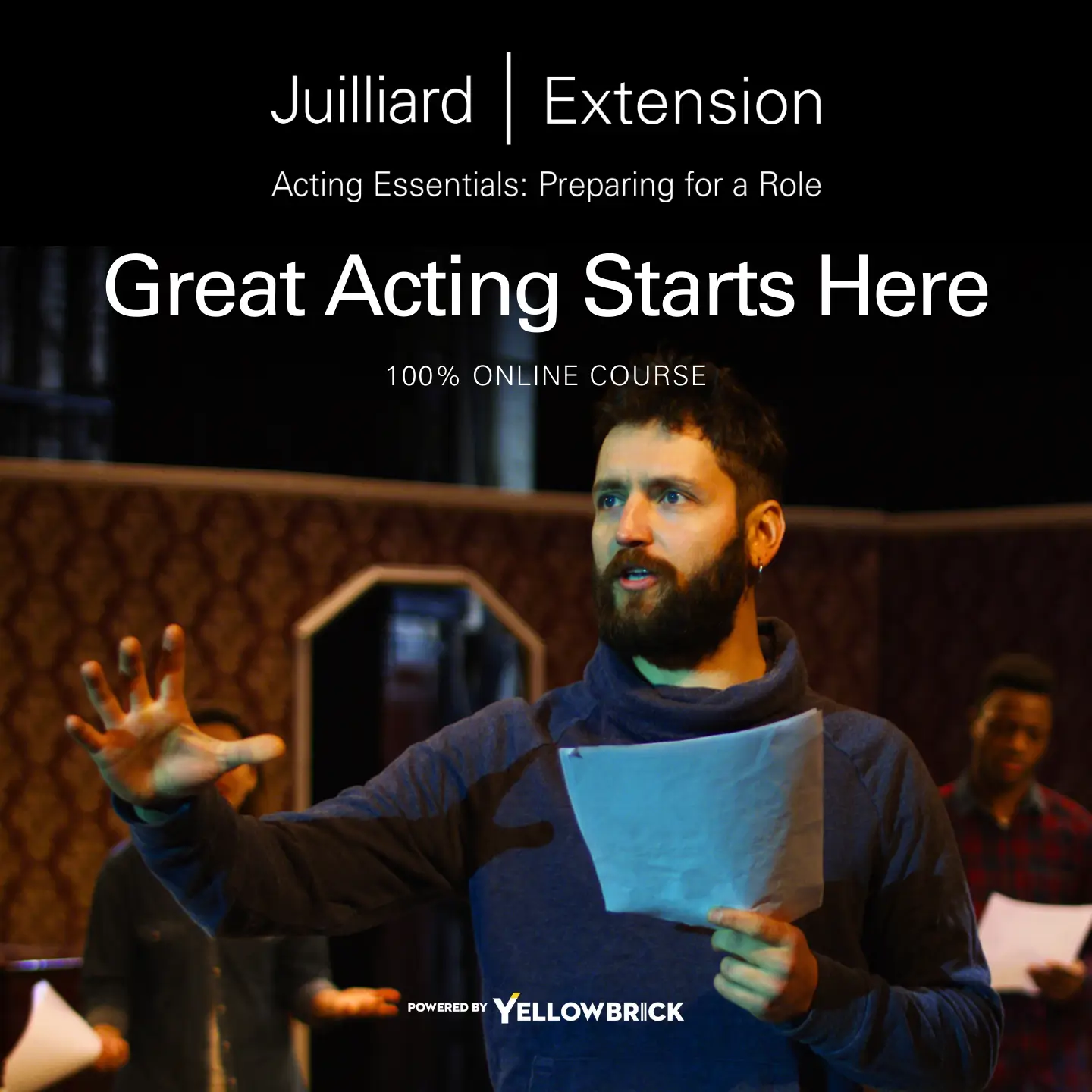
Elevate your clown performing skills with the Juilliard Acting Essentials: Preparing for a Role online course and certificate program offered by Yellowbrick for comprehensive training in performance and storytelling.