Movement coaches play a pivotal role in the world of performing arts, sports, fitness, and wellness, guiding individuals to move with grace, precision, and intention. In this comprehensive guide, we will delve into the multifaceted role of a movement coach, exploring their responsibilities, key skills required, and essential steps to pursue a rewarding career in this dynamic field.
Understanding the Role of a Movement Coach
Movement coaches, also known as movement specialists or movement instructors, work closely with individuals to enhance their physical movement patterns, posture, flexibility, and overall body awareness. Whether in the realm of dance, theater, athletics, rehabilitation, or holistic wellness, movement coaches play a crucial role in helping clients develop efficient movement mechanics, prevent injuries, and express themselves through movement effectively.
Skills Required for Movement Coaches
Successful movement coaches combine scientific knowledge with strong interpersonal skills to help clients improve mobility, performance, and overall well-being. From understanding biomechanics to fostering meaningful client relationships, a diverse set of skills is essential for creating effective, personalized movement programs and supporting long-term progress.
- Anatomy and Kinesiology Knowledge: Understanding the human body’s biomechanics, muscle functions, and skeletal structure is fundamental for designing effective movement programs.
- Observation and Analysis: The ability to observe and analyze movement patterns, postural alignment, and physical limitations is crucial for tailoring coaching strategies to individual needs.
- Communication and Empathy: Building strong rapport with clients, effectively conveying instructions, and providing empathetic support are key aspects of being a successful movement coach.
- Creativity and Adaptability: Developing innovative movement sequences, adapting workouts to diverse populations, and fostering a creative environment for clients to explore movement are valuable skills for a movement coach.
- Continued Learning: Staying updated on the latest research, trends, and techniques in movement science and coaching methodologies is essential for professional growth and client success.
Essential Steps to Kickstart Your Career as a Movement Coach
Launching a successful career as a movement coach requires a combination of education, practical experience, and a commitment to lifelong learning. By developing specialized expertise, building meaningful professional connections, and focusing on client-centered coaching, aspiring movement coaches can establish a strong foundation for long-term success in this dynamic and evolving field.
- Education and Certification: Pursue formal education in movement science, exercise physiology, dance, or related fields. Obtaining certifications in movement coaching can enhance your credibility and expertise.
- Hands-On Experience: Gain practical experience by working with clients, assisting experienced coaches, or interning at fitness centers, dance studios, rehabilitation clinics, or sports teams.
- Specialization: Consider specializing in a specific area of movement coaching, such as dance conditioning, sports performance enhancement, injury prevention, or holistic movement therapies.
- Networking: Build connections within the movement coaching community, attend workshops, conferences, and industry events to expand your knowledge and opportunities.
- Client Relationship Building: Focus on building strong relationships with clients, understanding their goals, challenges, and preferences to tailor personalized movement programs effectively.
- Professional Development: Stay current with industry developments, seek mentorship from seasoned coaches, and engage in continuous learning to refine your coaching skills and stay competitive in the field.
Conclusion
Movement coaching is a rewarding and impactful career that blends science, creativity, and human connection. By helping individuals move more efficiently, confidently, and mindfully, movement coaches play an essential role in enhancing performance, preventing injuries, and improving overall well-being.
With the right combination of education, hands-on experience, and a commitment to continuous learning, aspiring movement coaches can build a successful career while making a meaningful difference in the lives of others through the power of movement.
Key Takeaways:
- Movement coaches play a vital role in enhancing physical movement patterns, posture, and overall body awareness.
- Skills such as anatomy knowledge, observation, communication, creativity, and continuous learning are essential for success as a movement coach.
- Education, hands-on experience, specialization, networking, client relationship building, and professional development are key steps to kickstart a career in movement coaching.
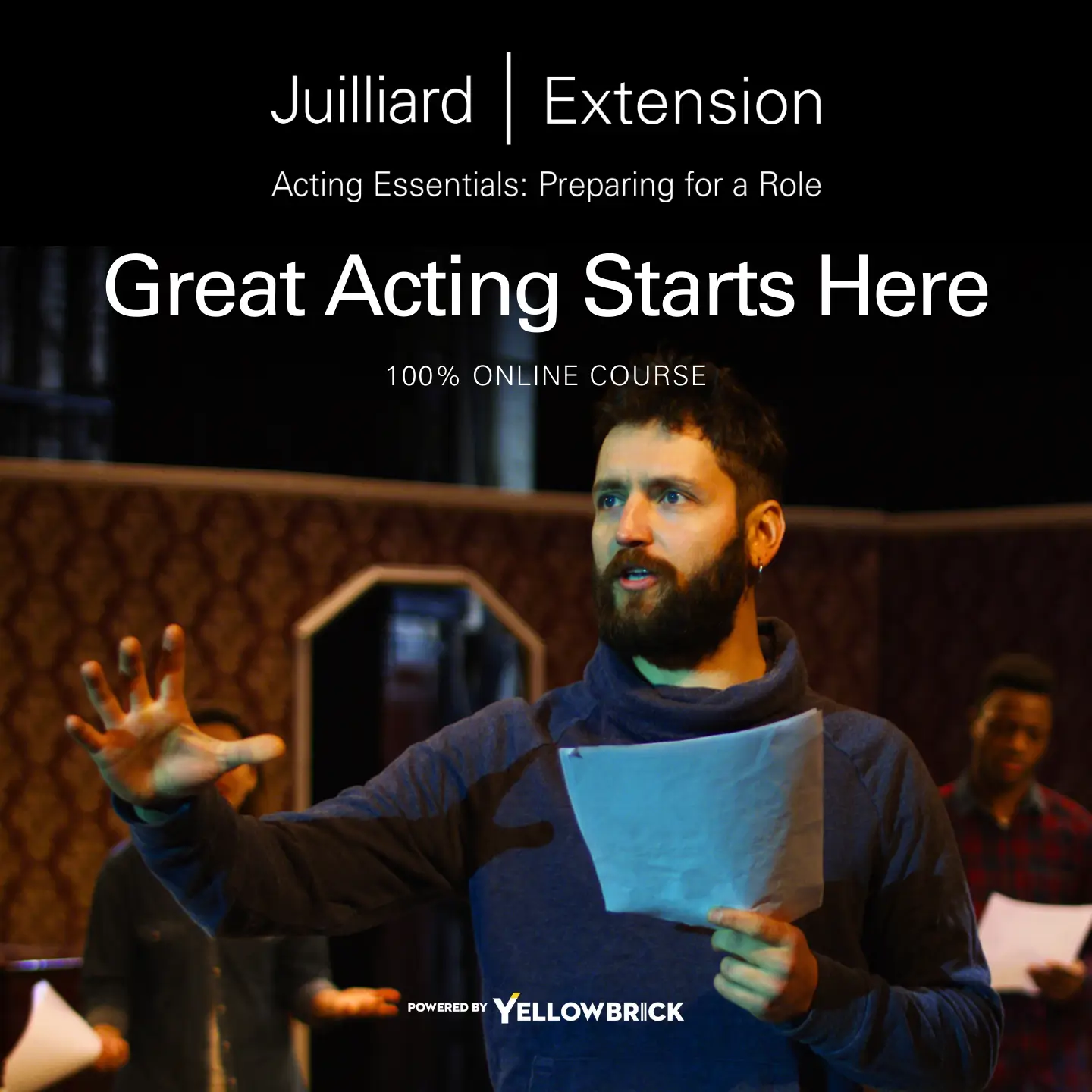
For those looking to further develop their coaching skills and excel in guiding individuals towards improved movement and wellness, consider exploring the Juilliard Acting Essentials: Preparing for a Role online course and certificate program offered by Yellowbrick.
Investing in professional development can empower you to thrive as a movement coach and positively impact the lives of your clients through effective movement coaching strategies.