Are you considering a career as a workshop facilitator and wondering what it takes to succeed in this role? Workshop facilitators play a crucial role in guiding group discussions, fostering collaboration, and ensuring productive outcomes in various organizational settings. In this comprehensive guide, we will explore the responsibilities, qualifications, skills, and essential steps to become a successful workshop facilitator.
Responsibilities of a Workshop Facilitator
Workshop facilitators are responsible for designing and leading group sessions that aim to achieve specific objectives, such as problem-solving, decision-making, brainstorming, or team building. They create a conducive environment for open communication, active participation, and constructive dialogue among participants. Facilitators also manage group dynamics, resolve conflicts, and keep discussions focused on the agenda.
Facilitators need to be adept at guiding discussions, encouraging diverse perspectives, and promoting inclusivity within the group. They may use various tools and techniques, such as icebreakers, brainstorming exercises, role-playing, and visual aids, to engage participants and enhance the overall workshop experience.
Qualifications and Skills
To excel as a workshop facilitator, individuals should possess a combination of education, training, and soft skills that are essential for effective facilitation. While there is no specific degree requirement for becoming a facilitator, having a background in fields such as psychology, organizational development, communication, or education can be beneficial.
Key skills for workshop facilitators include strong communication skills, active listening, empathy, adaptability, and problem-solving abilities. Facilitators should be able to create a safe and inclusive space for participants to express their ideas, share their perspectives, and collaborate towards common goals. Additionally, facilitators need to be organized, detail-oriented, and capable of managing time effectively during workshops.
Essential Steps to Becoming a Workshop Facilitator
Becoming an effective workshop facilitator requires a combination of practical experience, strong communication skills, and a commitment to continuous learning. By developing your facilitation techniques, building meaningful professional connections, and seeking opportunities for growth and specialization, you can create engaging, impactful workshops that inspire collaboration, learning, and positive outcomes for participants.
- Gain Experience: Start by gaining practical experience in facilitating workshops, either through volunteer opportunities, internships, or entry-level positions in organizations that conduct group sessions. Practice facilitating small groups and observe experienced facilitators in action to learn best practices.
- Develop Facilitation Skills: Enhance your facilitation skills by participating in workshops, training programs, or seminars focused on facilitation techniques, group dynamics, conflict resolution, and communication strategies. Consider obtaining certifications or attending workshops that provide hands-on experience in facilitating group discussions.
- Build a Network: Connect with other professionals in the field of facilitation through networking events, conferences, or online forums. Building a strong professional network can provide opportunities for mentorship, collaboration, and career advancement in the field of workshop facilitation.
- Continued Learning: Stay updated on the latest trends, tools, and methodologies in facilitation by reading books, attending workshops, and engaging in continuous professional development. Seek feedback from participants and colleagues to improve your facilitation skills and adapt to changing needs in the workplace.
- Specialize: Consider specializing in a specific area of facilitation, such as conflict resolution, team building, strategic planning, or diversity and inclusion. Developing expertise in a particular niche can set you apart as a facilitator and attract opportunities for specialized workshops.
- Seek Feedback: Request feedback from participants after workshops to assess your effectiveness as a facilitator. Use feedback to identify areas for improvement, refine your facilitation techniques, and enhance the overall workshop experience for future sessions.
- Professional Development: Invest in your professional development by pursuing advanced certifications, attending conferences, or joining professional associations related to facilitation. Continued education and training can enhance your credibility as a workshop facilitator and open doors to new career opportunities.
Conclusion
Workshop facilitation is a rewarding career that empowers individuals and teams to collaborate, solve problems, and achieve meaningful outcomes. By combining strong communication skills, effective facilitation techniques, and a commitment to continuous learning, aspiring facilitators can create engaging and impactful experiences for diverse groups.
With experience, specialization, and ongoing professional development, workshop facilitators can build successful careers while helping others learn, grow, and work together more effectively.
Key Takeaways:
- Workshop facilitators design and lead sessions that encourage collaboration, problem-solving, and productive discussions.
- Strong communication, active listening, empathy, adaptability, and time management skills are essential for effective facilitation.
- Creating an inclusive environment and managing group dynamics are key responsibilities of the role.
- Practical experience, facilitation training, and continuous learning help build expertise and confidence.
- Networking, seeking feedback, and pursuing professional development opportunities can support career growth.
- Specializing in areas such as team building, conflict resolution, or strategic planning can create additional career opportunities.
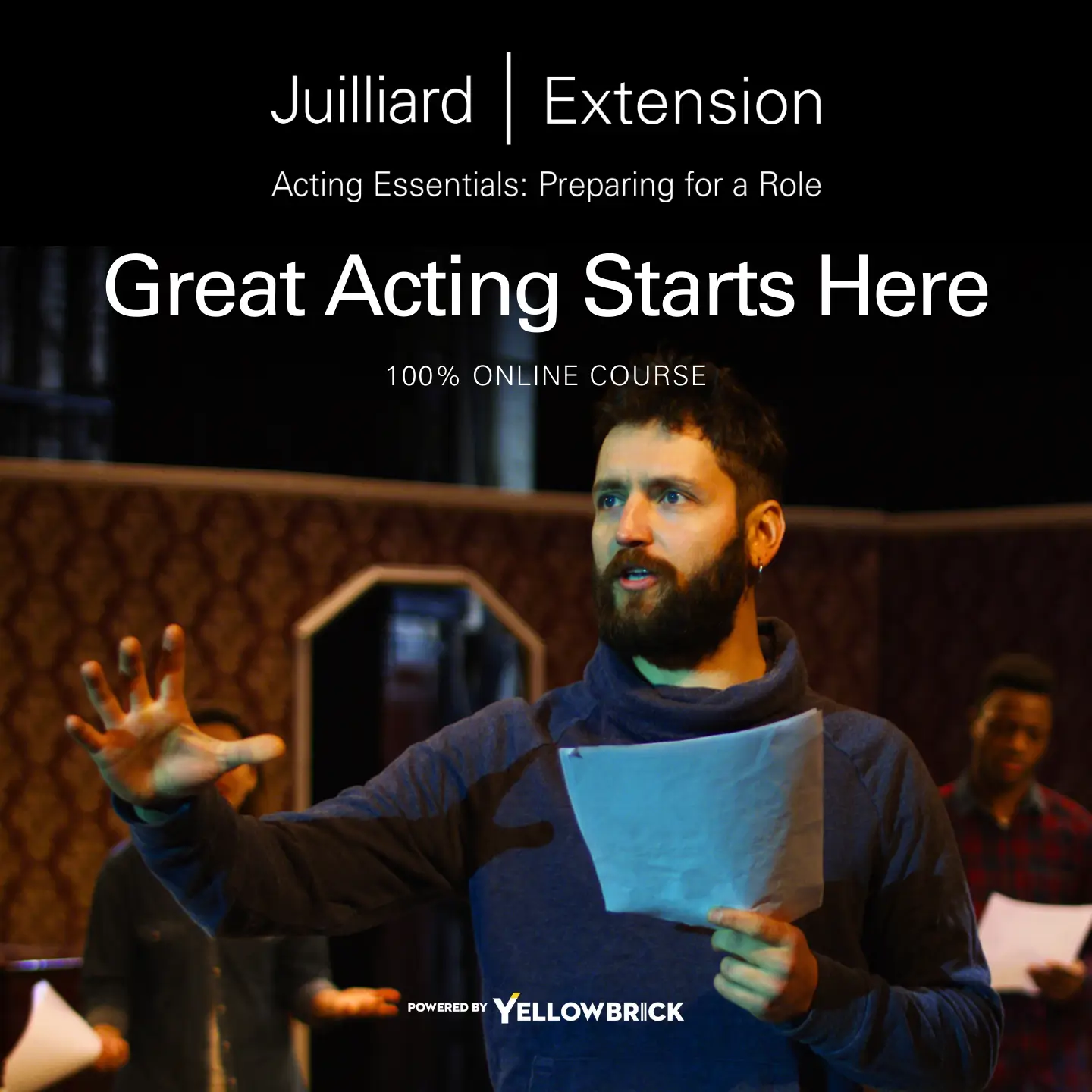
For those looking to enhance their skills and unlock new opportunities in the field of facilitation, consider exploring the Juilliard Acting Essentials: Preparing for a Role online course and certificate program offered by Yellowbrick. Investing in professional development can empower you to excel as a workshop facilitator and make a lasting impact on group dynamics and outcomes.