As a story editor, you play a crucial role in shaping narratives, refining plots, and enhancing the overall storytelling experience. Whether you’re working on scripts for film, television, literature, or digital media, the art of story editing requires a keen eye for detail, a deep understanding of narrative structure, and a passion for storytelling.
In this comprehensive guide, we will delve into the world of story editing, exploring the key responsibilities, essential skills, and career opportunities for aspiring story editors.
- The Role of a Story Editor: Story editors are responsible for reviewing, revising, and enhancing the narrative elements of a story. From character development to plot progression, dialogue to pacing, story editors help refine the storytelling to captivate audiences and evoke emotional responses.
- Understanding Narrative Structure: A strong grasp of narrative structure is essential for effective story editing. Knowing how to build tension, create compelling arcs for characters, and maintain coherence throughout the story is key to crafting engaging narratives.
- Character Development and Arcs: Characters are the heart of any story, and as a story editor, you must ensure that characters are well-rounded, relatable, and undergo meaningful development throughout the narrative. Crafting compelling character arcs can elevate the story and resonate with audiences.
- Plot Development and Pacing: Story editors work to refine the plot, ensuring that it unfolds in a coherent and engaging manner. Balancing exposition, rising action, climax, and resolution is crucial for maintaining the audience’s interest and emotional investment in the story.
- Dialogue and Voice: Crafting authentic dialogue that reflects the characters’ personalities and moves the story forward is a skill that story editors must master. Developing a distinct narrative voice that aligns with the tone and themes of the story enhances the overall storytelling experience.
- Editing and Revision: Story editors engage in thorough editing and revision processes to polish the story to its finest form. Addressing inconsistencies, tightening the narrative, and refining language and imagery are integral parts of the story editing process.
- Collaboration and Feedback: Effective collaboration with writers, directors, producers, and other creatives is essential for successful story editing. Providing constructive feedback, brainstorming ideas, and working together to strengthen the narrative can lead to a more cohesive and impactful story.
- Adaptability and Creativity: Story editors must be adaptable and open to exploring diverse storytelling techniques and genres. Infusing creativity into the editing process can spark new ideas, enhance storytelling innovation, and push the boundaries of narrative conventions.
- Industry Insights and Trends: Staying informed about industry trends, audience preferences, and emerging storytelling formats is key for staying relevant as a story editor. Adapting to the evolving landscape of storytelling mediums can help you navigate the industry with confidence.
- Career Paths for Story Editors: The role of a story editor can lead to various career paths in the entertainment industry, including script editing, content development, literary editing, and more. Building a strong portfolio, networking with industry professionals, and showcasing your storytelling prowess can open doors to exciting opportunities in the field of story editing.
Conclusion
Story editors play a vital role in transforming ideas into compelling, cohesive narratives that captivate audiences across various media. By combining strong analytical skills, creativity, and a deep understanding of narrative structure, they refine characters, strengthen plots, and enhance the overall storytelling experience. Through collaboration, continuous learning, and adaptability to evolving industry trends, story editors can build rewarding careers while shaping stories that leave a lasting impact.
Key Takeaways:
- Story editors refine narratives by strengthening character development, plot structure, dialogue, and pacing.
- A strong understanding of narrative structure is essential for creating engaging and cohesive stories.
- Effective editing and revision help improve clarity, consistency, and emotional impact.
- Collaboration and constructive feedback are key to developing stronger narratives.
- Creativity, adaptability, and awareness of industry trends support long-term success in story editing.
- Building a strong portfolio and professional network can open doors to diverse career opportunities.
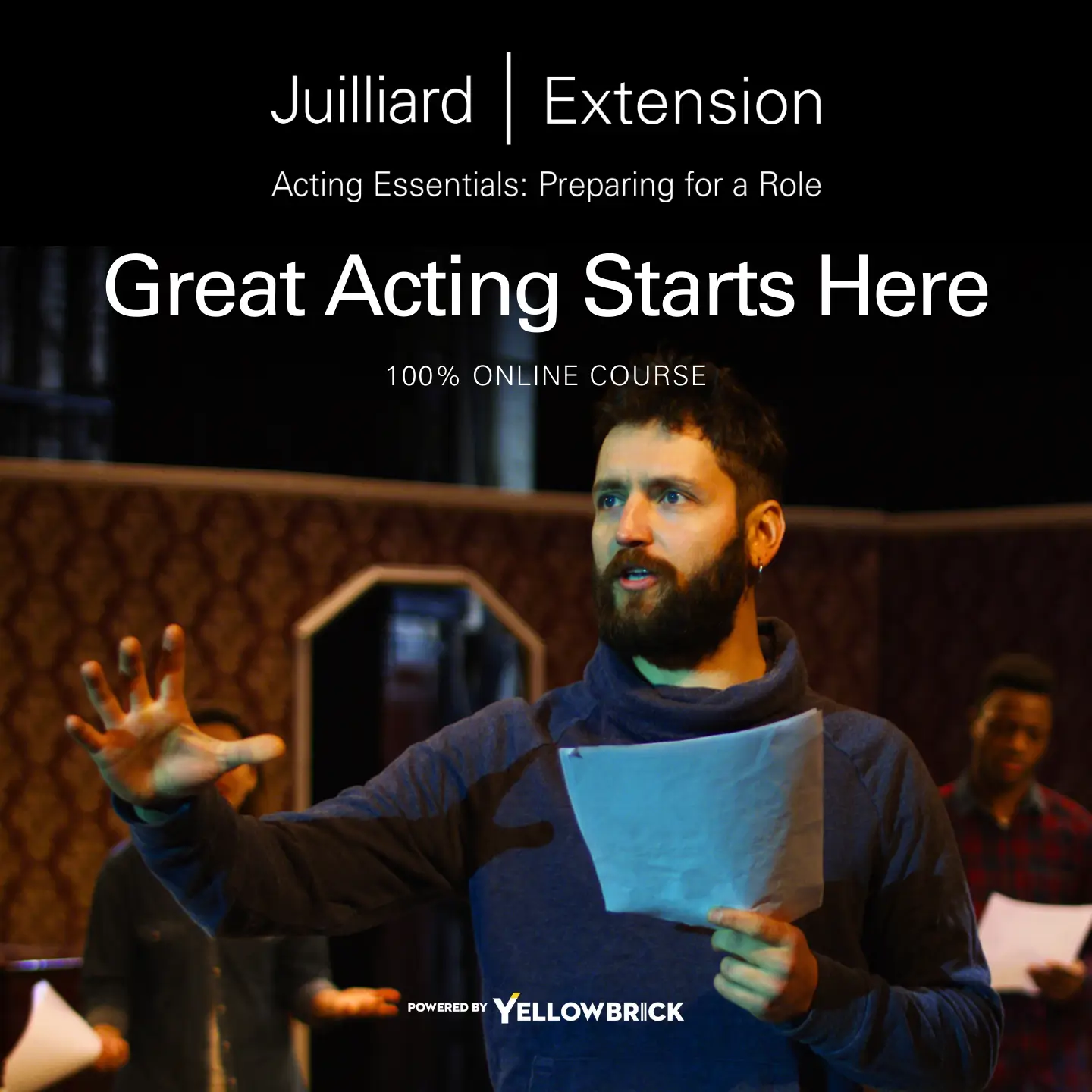
As you embark on your journey as a story editor, consider enhancing your skills further by exploring the specialized training programs and resources offered by Juilliard Acting Essentials: Preparing for a Role. Investing in professional development can empower you to unlock new opportunities and shape compelling narratives that resonate with audiences worldwide.